White Label 250-300 TPH Stone Crushing Plant Manufacturer: A Comprehensive Technical and Commercial Overview
In the global mining and construction aggregates industry, the demand for high-capacity, reliable, and cost-effective stone crushing solutions continues to grow. Among the most sought-after configurations is the 250-300 tons per hour (TPH) stone crushing plant. This capacity range is ideal for medium-to-large scale infrastructure projects, commercial quarries, and contract crushing operations. However, for many equipment distributors, engineering firms, and project developers, the concept of a “White Label” manufacturer has become increasingly attractive. This article provides a detailed, professional, and objective analysis of what it means to source a 250-300 TPH stone crushing plant from a white label manufacturer, covering technical specifications, manufacturing processes, quality assurance, commercial advantages, and key considerations for buyers.
1. Understanding the White Label Model in Crushing Equipment
A white label manufacturer produces equipment that is rebranded and sold by another company as its own. In the context of stone crushing plants, the white label manufacturer designs, engineers, and fabricates the complete system—including primary jaw crushers, secondary cone crushers or impact crushers, vibrating screens, conveyors, and control systems—but allows the buyer to apply their own brand name, logo, and sometimes even custom color schemes.
This model is particularly beneficial for companies that have strong sales channels, aftermarket service networks, or regional market presence but lack in-house manufacturing capabilities. The white label manufacturer acts as an OEM (Original Equipment Manufacturer) without the brand exposure, enabling the buyer to present a turnkey solution under their own brand identity.
2. Technical Specifications of a 250-300 TPH Stone Crushing Plant
A 250-300 TPH plant is a medium-to-high capacity system designed to process hard rock, river gravel, limestone, basalt, granite, or other natural stones into multiple grades of aggregates. The typical configuration includes: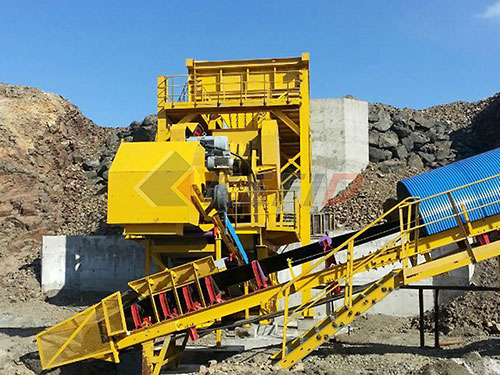
- Primary Crushing Stage: A heavy-duty jaw crusher (e.g., PE-900×1200 or equivalent) with a feed opening of approximately 900 mm × 1200 mm, capable of accepting rocks up to 750 mm in size. The jaw crusher reduces material to 150-200 mm.
- Secondary Crushing Stage: A cone crusher (e.g., CS160 or HPC220) or an impact crusher (for softer materials), which further reduces the material to 20-40 mm.
- Tertiary Crushing and Screening: A vertical shaft impact (VSI) crusher or additional cone crusher, paired with multi-deck vibrating screens (e.g., 3YK2460 or 4YK2470) to produce final products such as 0-5 mm (manufactured sand), 5-10 mm, 10-20 mm, and 20-40 mm.
- Conveying and Feeding System: Belt conveyors, vibrating feeders, and hoppers designed for continuous, high-volume material flow.
- Electrical Control System: PLC-based automation with remote monitoring capabilities, overload protection, and interlocking for safety.
The total installed power for such a plant typically ranges from 400 kW to 600 kW, depending on the material hardness and final product specifications. The plant footprint is approximately 2,500 to 3,500 square meters, excluding stockpile areas.
3. Manufacturing Capabilities of a White Label Supplier
A reputable white label manufacturer for 250-300 TPH stone crushing plants must possess the following core capabilities:
- Heavy Fabrication Workshops: Capable of producing thick steel plates (up to 50 mm) for crusher frames, screen boxes, and chutes. Welding must comply with international standards such as AWS D1.1 or ISO 3834.
- Precision Machining: CNC machining centers for manufacturing crusher eccentric shafts, bearings housings, and wear parts with tolerances within ±0.05 mm.
- Heat Treatment Facilities: For hardening and tempering of wear-resistant components like jaw plates, blow bars, and cone liners.
- Assembly and Testing: Full assembly of the plant modules, dry-run testing, and load testing (if required) before shipment.
- Quality Control Systems: ISO 9001 certification, material traceability, non-destructive testing (NDT) for critical welds, and dimensional inspection reports.
White label manufacturers often source key components (bearings, motors, hydraulic systems) from globally recognized brands such as SKF, Siemens, ABB, or Schneider to ensure reliability, even though the final product carries the buyer’s brand.
4. Quality Assurance and Compliance
One of the primary concerns for buyers of white label equipment is quality consistency. A professional white label manufacturer will adhere to the following quality assurance protocols:
- Design Compliance: The plant design must meet or exceed international standards such as ISO 21873 (for mobile crushers) or relevant local standards (e.g., CE marking for European markets, GOST for CIS countries, or BIS for India).
- Wear Life Guarantees: The manufacturer should provide guaranteed wear life for crusher liners (e.g., 8,000–12,000 hours for cone crusher liners in hard rock applications) and structural warranties of 2–5 years.
- Performance Testing: The plant should be tested for throughput capacity, product gradation, and power consumption under simulated load conditions. A performance test certificate should be provided.
- Spare Parts Availability: The white label manufacturer must maintain a stock of critical spare parts (bearings, seals, filters, wear parts) and offer a global logistics solution for emergency replacements.
5. Commercial Advantages of White Label Sourcing
For companies that choose to partner with a white label manufacturer for a 250-300 TPH plant, the commercial benefits are significant:
- Lower Capital Investment: No need to invest in heavy manufacturing infrastructure, R&D, or specialized labor. The buyer can focus on sales, marketing, and after-sales service.
- Faster Time-to-Market: White label manufacturers often have pre-engineered, modular designs that can be customized quickly. Lead times for a complete plant can be as short as 60–90 days from order confirmation.
- Brand Building: The buyer can establish a strong local brand presence without the technical complexity of manufacturing. This is especially valuable in emerging markets where brand trust is critical.
- Scalability: White label partners can offer multiple capacity ranges (100 TPH, 200 TPH, 300 TPH, 500 TPH) under the same brand, allowing the buyer to expand their product line incrementally.
- Cost Transparency: The buyer receives a fixed price for the complete plant, including all mechanical, electrical, and structural components. There are no hidden costs for engineering or tooling.
6. Key Considerations When Selecting a White Label Manufacturer
Not all white label manufacturers are equal. To ensure a successful partnership, buyers should evaluate the following factors:
- Track Record and References: Request case studies of previous white label projects. Visit existing installations if possible. A manufacturer with at least 5–10 years of experience in the crushing industry is preferable.
- Customization Flexibility: Can the manufacturer adjust the plant layout to fit a specific site? Can they modify the crusher settings to produce different gradations? A rigid, one-size-fits-all approach is a red flag.
- After-Sales Support: Even though the buyer owns the brand, the manufacturer should provide technical documentation, installation supervision, commissioning support, and training for local operators.
- Intellectual Property Protection: Ensure that the white label agreement includes non-disclosure clauses and that the manufacturer does not sell the same design to competing brands in the same region.
- Logistics and Shipping: The manufacturer should have experience in international shipping of heavy machinery, including containerization, break-bulk shipping, and customs documentation.
7. Typical Applications and End-Use Markets
A 250-300 TPH stone crushing plant is versatile and can serve multiple industries:
- Road and Highway Construction: Producing base course, sub-base, and asphalt aggregates.
- Concrete Production: Supplying 20 mm and 10 mm aggregates for ready-mix concrete plants.
- Dam and Bridge Projects: High-quality aggregates with strict gradation and shape requirements.
- Mining and Quarrying: Secondary and tertiary crushing of ore and overburden.
- Recycling: Processing demolished concrete and asphalt (with appropriate magnetic separators and screens).
8. Conclusion
The white label model for a 250-300 TPH stone crushing plant offers a strategic pathway for companies to enter or expand in the aggregates equipment market without the burden of heavy manufacturing. By partnering with a technically competent, quality-driven manufacturer, buyers can deliver a reliable, high-performance product under their own brand, backed by comprehensive support.
However, success depends on rigorous due diligence: verifying the manufacturer’s engineering capabilities, quality systems, and commitment to after-sales service. When executed correctly, a white label partnership can yield a competitive advantage, faster market penetration, and long-term profitability.
For any organization considering this approach, it is recommended to start with a detailed technical audit of the manufacturer’s facilities, request a full bill of materials with component brands, and negotiate a clear service-level agreement. In the demanding world of stone crushing, reliability is the ultimate brand builder—and a white label manufacturer can be the foundation of that reputation.
