
Slag Crusher Plant Factory Brochure: A Comprehensive Guide to Design, Technology, and Operational Excellence
Introduction
In the modern metallurgical and industrial landscape, the efficient processing of slag—a byproduct of steelmaking, smelting, and other high-temperature processes—has become a critical component of sustainable operations. A slag crusher plant factory brochure serves not merely as a marketing tool but as a technical document that outlines the capabilities, design philosophy, and operational advantages of a facility dedicated to transforming waste slag into valuable resources. This article provides a detailed, objective examination of what such a brochure should encompass, the engineering principles behind slag crushing plants, the types of machinery involved, and the economic and environmental rationale for investing in a specialized factory.
The Role of Slag Crusher Plants in Industry
Slag is generated in large quantities during the production of iron, steel, copper, and other non-ferrous metals. Depending on the source, slag may contain residual metals, oxides, and other compounds that can be recovered or repurposed. A slag crusher plant is designed to reduce large, irregular slag lumps into smaller, uniform particles suitable for further processing—such as magnetic separation, screening, and eventual use in construction aggregates, cement production, or as a source of recovered metal.
A factory brochure for such a plant must first establish the context: the plant is not a standalone crusher but an integrated system that includes feeding, crushing, screening, magnetic separation, and conveying equipment. The brochure should describe the plant’s capacity range, typically from 50 tons per hour to over 500 tons per hour, depending on the customer’s requirements.
Key Components of a Slag Crusher Plant
A professional brochure would detail each major component with technical specifications and operational roles. These components include:
Vibrating Feeder or Apron Feeder – The feeder regulates the flow of raw slag into the crushing chamber, ensuring a consistent feed rate and preventing overload. Apron feeders are preferred for heavy, lumpy slag, while vibrating feeders are used for smaller, more uniform material.
Primary Crusher – The primary crushing stage often employs a jaw crusher or an impact crusher. Jaw crushers are robust and capable of handling large, hard slag lumps with a high reduction ratio. Impact crushers, on the other hand, are suitable for less abrasive slag and produce a more cubical product.
Secondary Crusher – After primary crushing, the material may be further reduced using a cone crusher, roll crusher, or hammer mill. The choice depends on the desired final particle size and the slag’s hardness. Cone crushers are efficient for hard, abrasive slag, while roll crushers are used for softer materials.
Screening Equipment – Vibrating screens classify the crushed slag into different size fractions. The brochure should specify screen decks, mesh sizes, and screening efficiency. Proper screening ensures that only material of the desired size proceeds to the next stage, while oversize material is recirculated to the crusher.
Magnetic Separator – This is a crucial component for slag processing. Slag often contains metallic iron that can be recovered and recycled. Overband magnetic separators or drum magnets remove ferrous metals from the crushed slag stream. The brochure should state the magnetic strength, belt speed, and recovery rate.
Conveying System – Belt conveyors transport material between stages. The brochure should mention belt width, speed, and capacity, as well as any dust suppression or enclosure features to meet environmental regulations.
Dust Collection and Environmental Controls – Modern slag crusher plants must comply with stringent air quality standards. A brochure should describe baghouse filters, water spray systems, and noise reduction measures. These features demonstrate the factory’s commitment to environmental responsibility.
Design and Engineering Considerations
A high-quality brochure would not simply list equipment but explain the engineering logic behind the plant layout. Key considerations include:
Material Characterization – Slag varies widely in hardness, abrasiveness, moisture content, and metal content. The brochure should note that the plant design is customized based on a detailed analysis of the customer’s slag. For example, steel slag is typically harder and more abrasive than blast furnace slag, requiring wear-resistant liners and more powerful crushers.
Throughput and Scalability – The plant should be designed for the customer’s current production needs while allowing for future expansion. Modular designs enable the addition of secondary or tertiary crushing stages without major structural changes.
Energy Efficiency – Crushing is an energy-intensive process. The brochure should highlight features such as variable frequency drives (VFDs), optimized crusher chamber geometry, and efficient motor selection that reduce power consumption per ton of processed slag.
Maintenance and Accessibility – A well-designed plant includes easy access to crusher liners, screen panels, and magnetic separators. The brochure should mention hydraulic opening mechanisms, inspection doors, and centralized lubrication systems that minimize downtime.
Safety Features – Emergency stop buttons, guard rails, lockout/tagout provisions, and thermal overload protection are standard. The brochure should assure potential buyers that safety is integrated into every stage.
Operational Benefits and Economic Value
A slag crusher plant factory brochure must articulate the return on investment. The following points are typically emphasized:
Metal Recovery – Recovering ferrous and non-ferrous metals from slag can generate significant revenue. For example, steel slag may contain 10–25% metallic iron. A plant processing 200 tons per hour could recover 20–50 tons of metal per hour, which can be sold as scrap.
Aggregate Production – The non-metallic residue, after crushing and screening, can be used as construction aggregate, road base, or concrete admixture. This reduces the need for virgin materials and lowers disposal costs.
Waste Reduction – Instead of sending slag to landfills, the plant transforms it into useful products. This reduces the environmental footprint and helps industries meet zero-waste targets.
Regulatory Compliance – Many jurisdictions impose strict rules on slag disposal. A crusher plant enables compliance by processing slag on-site or at a centralized facility.
Operational Cost Savings – By recovering metal and producing saleable aggregates, the plant can offset its operating costs. In some cases, the plant becomes a profit center rather than a cost center.
Technological Innovations in Modern Slag Crusher Plants
A forward-looking brochure would include recent technological advancements:
Automation and PLC Control – Programmable logic controllers (PLCs) monitor feed rates, crusher load, and magnetic separator performance. Automated systems adjust parameters in real time to optimize throughput and prevent blockages.
Remote Monitoring – IoT sensors transmit data on vibration, temperature, and power draw to a central dashboard. Maintenance teams can predict failures before they occur, reducing unplanned downtime.
Advanced Wear Materials – High-chromium cast iron, ceramic inserts, and tungsten carbide coatings extend the life of crusher liners and screen panels, especially when processing abrasive steel slag.
Dry and Wet Processing Options – Some plants use water to suppress dust and cool the slag, while others operate dry. The brochure should explain the trade-offs: wet processing reduces dust but requires water treatment and may complicate magnetic separation.
Mobile and Semi-Mobile Plants – For slag generated at multiple locations, mobile crusher plants mounted on tracks or wheels offer flexibility. A factory brochure might present both stationary and mobile solutions.
Factory Capabilities and Quality Assurance
The brochure should describe the factory itself—not just the product. Potential customers want to know about manufacturing standards, testing procedures, and after-sales support. Key points include:
In-House Fabrication – The factory should have CNC machining, welding, and assembly facilities. The brochure can mention certifications such as ISO 9001, CE, or ASME.
Material Traceability – All steel plates, bearings, and motors should be traceable to their suppliers. This ensures consistent quality and simplifies warranty claims.
Performance Testing – Before shipment, each plant undergoes a factory acceptance test (FAT) using simulated slag or actual customer samples. The brochure should state that test results are documented and shared with the customer.
Spare Parts Availability – A dedicated spare parts department ensures rapid delivery of critical components. The brochure should list common wear parts and their expected service life.
Training and Commissioning – The factory provides on-site installation, commissioning, and operator training. This reduces startup time and ensures the plant operates as designed.
After-Sales Service – A global service network with 24/7 support is a strong selling point. The brochure should include contact information and response time commitments.
Environmental and Sustainability Aspects
Modern industry demands environmental responsibility. A slag crusher plant brochure should address:
Dust Suppression – Enclosed conveyors, baghouse filters, and water sprays keep particulate emissions below regulatory limits.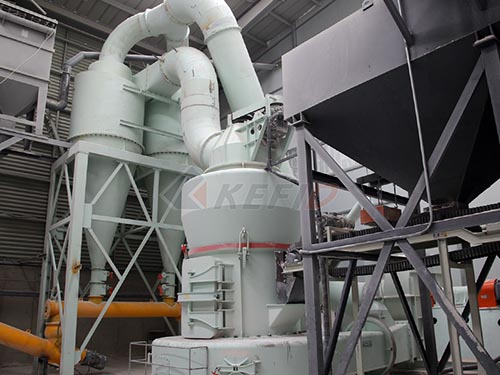
Noise Reduction – Rubber-lined chutes, acoustic enclosures, and low-noise crushers reduce sound levels to acceptable workplace standards.
Water Recycling – If wet processing is used, a closed-loop water system minimizes freshwater consumption and prevents contaminated runoff.
Land Reclamation – By processing slag, the plant reduces the need for new landfills and can help remediate legacy slag piles.
Carbon Footprint – Compared to mining and processing virgin aggregates, slag processing has a lower carbon footprint. The brochure can quantify this benefit, such as tons of CO₂ saved per ton of slag processed.
Case Studies and Applications
A persuasive brochure often includes brief case studies. For example:
Steel Mill in Europe – A 300 t/h slag crusher plant recovers 15% metallic iron and produces 250 t/h of aggregate for road construction. The plant paid for itself in 18 months through metal sales and avoided disposal fees.
Copper Smelter in South America – A mobile slag crusher plant processes 100 t/h of copper slag, recovering copper granules and producing a saleable iron-silicate aggregate.
Landfill Remediation Project in Asia – A stationary plant processes 500,000 tons of legacy slag over five years, converting it into construction materials and recovering metals.
These examples demonstrate versatility and real-world performance.
Conclusion
A slag crusher plant factory brochure is more than a catalog; it is a technical and commercial argument for investing in specialized slag processing. It must cover the full scope: from the nature of slag and the engineering of each component, to operational benefits, technological innovations, factory capabilities, and environmental compliance. By presenting objective data, clear diagrams, and realistic case studies, the brochure builds trust with potential clients—steel mills, smelters, recycling companies, and construction firms.
For any factory seeking to position itself as a leader in slag processing, the brochure should emphasize customization, reliability, and lifecycle support. The ultimate message is that a well-designed slag crusher plant transforms a waste liability into a valuable resource stream, delivering economic returns while advancing sustainability. As industries worldwide adopt circular economy principles, such plants will become increasingly indispensable—and the brochure that explains them must be equally comprehensive and precise.
If you have any questions about our products, please feel free to contact us. We take all inquiries and suggestions very seriously.