Title: Comprehensive Overview of Bulk 250–300 TPH Stone Crushing Plant Exporters: Design, Capabilities, and Global Market Considerations
Introduction
In the global mining and construction aggregates industry, the demand for high-capacity stone crushing plants has grown exponentially over the past decade. Among the most sought-after configurations is the 250–300 tons per hour (TPH) stone crushing plant. This capacity range represents a critical sweet spot for medium-to-large scale quarry operations, infrastructure projects, and commercial aggregate production. Exporters specializing in bulk 250–300 TPH stone crushing plants play a pivotal role in supplying turnkey solutions to markets across Asia, Africa, the Middle East, and South America. This article provides a detailed, objective, and professional examination of the technical specifications, design philosophy, operational advantages, quality assurance, and logistical considerations associated with exporting such plants.
1. Understanding the 250–300 TPH Capacity Range
The 250–300 TPH stone crushing plant is designed to process hard and medium-hard rocks such as granite, basalt, limestone, river gravel, and dolomite. This capacity is typically achieved through a multi-stage crushing process, usually comprising primary, secondary, and tertiary crushers, along with screening and conveying systems. The output is often used for road construction, concrete production, and asphalt mixing.
Key characteristics of a 250–300 TPH plant include:
- Feed size: Up to 800–1000 mm (depending on primary crusher type)
- Final product size: 0–5 mm, 5–10 mm, 10–20 mm, 20–40 mm, or customized fractions
- Power requirement: Typically 400–600 kW total installed power
- Plant footprint: Approximately 1500–2500 square meters for a stationary layout; mobile variants require less space
2. Core Components of a Bulk 250–300 TPH Crushing Plant
A reliable exporter must ensure that each component is engineered for durability, efficiency, and ease of maintenance. The following are the standard modules:
2.1 Primary Crushing Unit
- Equipment: Jaw crusher (e.g., PE-900×1200 or equivalent)
- Function: Reduces run-of-mine material to 150–200 mm
- Key features: Deep crushing chamber, high eccentric speed, hydraulic adjustment (optional)
2.2 Secondary Crushing Unit
- Equipment: Cone crusher (e.g., CS160, HPC220) or impact crusher (for softer materials)
- Function: Reduces material to 30–60 mm
- Key features: Hydraulic clearing, overload protection, high reduction ratio
2.3 Tertiary Crushing and Shaping Unit
- Equipment: Vertical shaft impact (VSI) crusher or high-performance cone crusher
- Function: Produces cubical final aggregates and sand
- Key features: Autogenous crushing, wear-resistant rotor, adjustable speed
2.4 Screening System
- Equipment: Inclined vibrating screens (2–4 decks)
- Function: Separates crushed material into desired fractions
- Key features: High amplitude, modular screen panels, dust suppression nozzles
2.5 Conveying and Feeding System
- Equipment: Belt conveyors, vibrating feeders, hoppers
- Function: Ensures continuous material flow between stages
- Key features: Heavy-duty rollers, adjustable speed, safety interlocks
2.6 Control System
- Equipment: PLC-based control panel with remote monitoring capability
- Function: Automates start/stop sequences, monitors load, and adjusts feed rate
- Key features: Touchscreen interface, fault diagnostics, data logging
3. Design Considerations for Exporters
Exporting a 250–300 TPH stone crushing plant requires more than just assembling machinery. Professional exporters must address the following:
3.1 Material Compatibility
The plant must be configured based on the client’s raw material characteristics. For example:
- Abrasive rocks (granite, basalt): Require manganese steel liners, cone crushers with high wear resistance, and VSI crushers with tungsten carbide tips.
- Soft rocks (limestone, dolomite): Impact crushers are more cost-effective, but dust control becomes critical.
3.2 Climate and Environmental Factors
- High humidity or monsoon regions: Conveyors must have anti-slip belts, and electrical panels must be IP55 rated.
- High altitude or extreme temperatures: Motors and lubricants must be selected accordingly.
- Strict emission standards: Exporters must offer dust suppression systems (water spray, misting) and noise reduction enclosures.
3.3 Mobility vs. Stationary
- Stationary plants: Lower cost per ton, higher production stability, but require civil works.
- Mobile plants (wheeled or tracked): Higher initial cost, but ideal for multiple quarry sites or temporary projects. A 250–300 TPH mobile plant typically consists of a primary mobile jaw unit, secondary mobile cone unit, and a mobile screen unit.
3.4 Modular Design for Easy Installation
Leading exporters now offer modular or containerized plants that can be shipped in standard 40-foot containers and assembled on-site within 2–4 weeks. This reduces installation time and labor costs.
4. Quality Assurance and Compliance
A reputable bulk 250–300 TPH stone crushing plant exporter adheres to international quality standards:
- ISO 9001:2015 for quality management systems
- CE certification for European markets
- GOST or EAC certification for CIS countries
- SGS or BV inspection for pre-shipment quality checks
Key quality metrics include:
- Crushing efficiency: >85% utilization of installed power
- Product gradation consistency: Within ±5% of target specification
- Wear part lifespan: 300–600 hours for jaw plates, 200–400 hours for cone liners (depending on material)
- Availability: >95% uptime under normal operating conditions
5. Global Market Demand and Export Destinations
The 250–300 TPH capacity is particularly popular in:
- Africa: Nigeria, Kenya, Ethiopia, Tanzania, Ghana – driven by infrastructure development (roads, railways, housing)
- Middle East: Saudi Arabia, UAE, Oman, Qatar – for concrete and asphalt production in mega-projects
- Southeast Asia: Indonesia, Philippines, Vietnam – for mining and construction
- South America: Brazil, Peru, Colombia – for aggregate and mining applications
Exporters must also consider:
- Local content requirements: Some countries require partial assembly or sourcing of certain components locally.
- Import duties and tariffs: Ranges from 0% (free trade agreements) to 25% (protective tariffs).
- After-sales service: Availability of local service engineers, spare parts warehouses, and remote technical support.
6. Logistics and Shipping Considerations
Shipping a 250–300 TPH plant involves careful planning:
- Total weight: 250–400 tons (depending on configuration)
- Shipping method: Break-bulk or flat rack containers for oversized components; standard containers for electrical panels, screens, and conveyors
- Lead time: 45–90 days from order confirmation to shipment
- Documentation: Bill of lading, packing list, commercial invoice, certificate of origin, insurance certificate, and customs clearance documents
Professional exporters often provide:
- 3D layout drawings for site planning
- Foundation design and civil engineering support
- Installation supervision and commissioning services
7. Cost Analysis and ROI for Buyers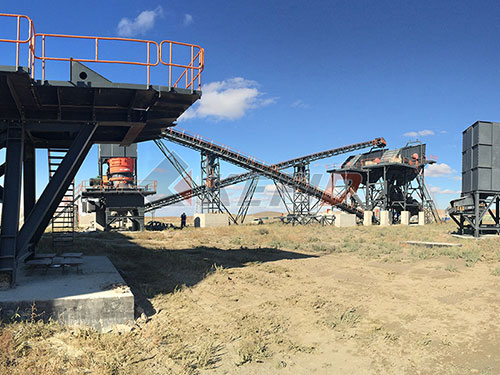
The total cost of a bulk 250–300 TPH stone crushing plant varies widely based on brand, automation level, and included services. A typical breakdown:
- Equipment cost: $500,000 – $1,200,000 USD
- Installation and civil works: $100,000 – $300,000 USD
- Shipping and insurance: $50,000 – $150,000 USD
- Customs and taxes: Varies by country
Return on Investment (ROI):
- Average production: 250 TPH × 8 hours/day × 250 days/year = 500,000 tons/year
- Revenue per ton (average aggregate price): $10–$20 USD
- Annual revenue: $5–$10 million USD
- Payback period: 6–18 months (depending on operating costs and market conditions)
8. Challenges and Solutions for Exporters
Challenge 1: Intense competition from Chinese and European manufacturers
- Solution: Differentiate through customization, faster delivery, and comprehensive after-sales support.
Challenge 2: Varying electrical standards (50Hz vs 60Hz, voltage levels)
- Solution: Offer dual-frequency motors and transformers with tap changers.
Challenge 3: Logistics delays and port congestion
- Solution: Maintain buffer stock of critical spare parts; use multiple shipping lines.
Challenge 4: Local technical skill gaps
- Solution: Provide operator training manuals, video tutorials, and on-site training for 2–4 weeks.
9. Future Trends in 250–300 TPH Crushing Plants
- Automation and IoT: Remote monitoring, predictive maintenance, and AI-based feed optimization.
- Energy efficiency: Use of variable frequency drives (VFDs), high-efficiency motors, and solar hybrid power options.
- Eco-friendly designs: Closed-loop water systems, zero-discharge dust collection, and noise-reducing enclosures.
- Recycling integration: Ability to process construction and demolition waste alongside virgin stone.
Conclusion
The bulk 250–300 TPH stone crushing plant remains a cornerstone of the global aggregates industry. Exporters who combine robust engineering, strict quality control, logistical expertise, and responsive after-sales service are best positioned to succeed in this competitive market. For buyers, selecting the right exporter involves evaluating not only the price but also the plant’s adaptability to local conditions, compliance with standards, and long-term operational support. As infrastructure demands continue to rise worldwide, the role of professional exporters in delivering reliable, high-capacity crushing solutions will only grow in importance.
