
Slag Crusher Plant: Company, Factory, and Price Considerations for Industrial Buyers
Introduction
In the metallurgical and construction materials industries, slag—a by-product of steelmaking, smelting, and other high-temperature processes—represents both an environmental challenge and a valuable secondary resource. Processing slag into reusable aggregates, cementitious materials, and metal concentrates requires purpose-built crushing and separation equipment. A slag crusher plant is therefore a critical capital investment for steel mills, slag processing contractors, and recycling enterprises. This article provides an objective overview of slag crusher plant configurations, the role of manufacturing companies and factories, and the principal factors that determine factory pricing, offering procurement guidance for industrial buyers.
Why Slag Requires Specialized Crushing Equipment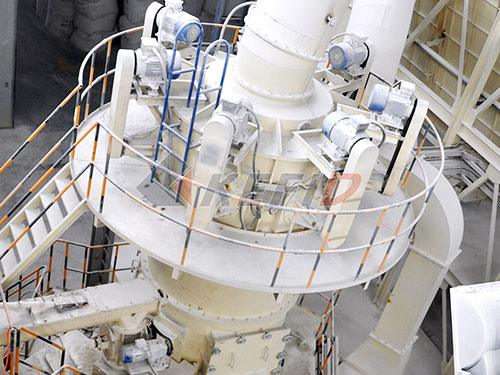
Slag is not a homogeneous material. It typically contains a mixture of ferrous and non-ferrous metals, glassy silicates, refractory fragments, and occasional oversized lumps. Its abrasiveness, variable hardness, and embedded metallic content place unusual demands on crushing machinery. Standard aggregate crushers often suffer accelerated wear or mechanical damage when applied to slag without modification. A dedicated slag crusher plant is engineered to address these conditions through:
These design features distinguish a genuine slag processing plant from a general-purpose crushing line and directly influence both equipment cost and long-term operating economics.
Typical Plant Configurations
Slag crusher plants are generally classified by capacity, feed size, and the desired separation outcome. Common configurations include:
Primary crushing stations. A heavy-duty jaw crusher or impact crusher reduces run-of-pit slag to a conveyable size. Primary stations are often skid- or track-mounted for flexibility within the slag yard.
Secondary and tertiary reduction. Cone crushers are frequently selected for hard, abrasive slag, while impact crushers offer superior cubical product shape for aggregate applications. Roll crushers may be used where size reduction with minimal fines generation is preferred.
Magnetic separation circuits. Suspended magnets, drum separators, and eddy current separators recover ferrous and, where applicable, non-ferrous metals. The placement and number of separation stages materially affect plant layout and price.
Screening and classification. Vibrating screens divide product into graded fractions. Multi-deck screens are common in plants producing specification aggregates.
Material handling and automation. Feeders, belt conveyors, stockpile conveyors, and PLC-based control systems complete the plant. Automation level is a significant price variable.
Mobile and semi-mobile plants are available for contractors processing slag at multiple sites, while stationary plants suit steel mills with dedicated slag yards and long-term processing requirements.
The Role of the Manufacturing Company and Factory
When evaluating a slag crusher plant company, buyers should distinguish between trading companies, design integrators, and actual factories. A factory-based manufacturer typically offers advantages in customization, spare parts availability, quality control traceability, and engineering support. Key attributes of a reputable slag crusher plant factory include:
Buyers are advised to conduct factory audits or request video walkthroughs, review ISO certifications where applicable, and obtain customer references from comparable projects. The credibility of the factory directly affects the reliability of the quoted price and the plant’s lifecycle performance.
Factory Price: Structure and Determining Factors
“Factory price” in the slag crusher plant market refers to the ex-works quotation direct from the manufacturer, excluding freight, installation, and site-specific civil works unless otherwise stated. Factory pricing is not a fixed figure; it is derived from a combination of technical and commercial variables:
Capacity (tons per hour). Throughput is the single largest price driver. A 50 tph plant and a 300 tph plant differ substantially in crusher size, motor power, structural steel weight, and conveyor specifications.
Feed size and product specification. Larger feed openings and finer product requirements increase the number of crushing stages and the size of individual machines.
Plant configuration and mobility. Stationary plants generally offer the lowest cost per ton of capacity; mobile or track-mounted units carry premium pricing due to chassis, hydraulic, and control integration.
Crusher type and brand of components. Jaw-cone combinations, impact-based lines, and roll crusher configurations carry different cost profiles. The selection of motors, gearboxes, bearings, and control systems from established suppliers affects price and reliability.
Wear material specifications. High-chrome liners, ceramic-embedded components, and specialized alloys increase initial cost but may reduce total cost of ownership in abrasive slag service.
Automation and environmental features. PLC control, remote monitoring, dust collection, and noise enclosure packages are optional cost items that buyers should price explicitly rather than assume.
Commercial terms. Payment schedule, warranty duration, spare parts allowance, and delivery timeline are negotiable elements that influence the final factory quotation.
Because of these variables, published “factory price” figures should be treated as indicative ranges only. A responsible manufacturer will issue a detailed technical-commercial proposal specifying scope of supply, battery limits, performance guarantees, and payment terms.
Procurement Recommendations
Prospective buyers should adopt a structured evaluation process:
Conclusion
A slag crusher plant is a specialized, capital-intensive asset whose value depends on appropriate process design, robust manufacturing, and realistic pricing. By understanding plant configurations, verifying the credentials of the manufacturing company and factory, and analyzing factory price quotations against total cost of ownership, industrial buyers can make informed decisions that balance initial investment with long-term operational reliability and return on investment.
If you have any questions about our products, please feel free to contact us. We take all inquiries and suggestions very seriously.