Title: Comprehensive Analysis and Quotation Framework for ISO-Certified Stone Quarry Crushing Plants
Introduction
In the global construction and infrastructure development sectors, the demand for high-quality aggregates—crushed stone, sand, and gravel—has never been higher. A stone quarry crushing plant is the industrial backbone that transforms raw rock extracted from quarries into usable construction materials. However, not all crushing plants are created equal. The distinction between a standard plant and an ISO-certified plant is significant, impacting operational efficiency, product quality, environmental compliance, and long-term cost-effectiveness. This article provides a detailed, professional, and objective examination of ISO-certified stone quarry crushing plants, with a specific focus on the quotation process. It aims to equip procurement managers, project owners, and investors with the necessary knowledge to evaluate, compare, and secure a fair and transparent quotation for such a capital-intensive asset.
Part 1: Understanding ISO Certification in the Context of Stone Quarry Crushing Plants
ISO (International Organization for Standardization) certification is not a single standard but a family of standards that apply to different aspects of business operations. For a stone quarry crushing plant, the most relevant certifications include:
-
ISO 9001:2015 (Quality Management Systems): This is the most common certification. It ensures that the plant manufacturer or the plant operator has a robust quality management system in place. For a crushing plant, this means consistent product quality, traceability of materials, documented procedures for maintenance, and continuous improvement processes. A quotation from an ISO 9001-certified supplier guarantees that the plant design, fabrication, and assembly follow internationally recognized quality benchmarks.
-
ISO 14001:2015 (Environmental Management Systems): Quarrying and crushing operations have significant environmental impacts, including dust generation, noise pollution, water consumption, and waste management. ISO 14001 certification indicates that the plant is designed and operated with a systematic approach to minimizing its environmental footprint. This includes dust suppression systems, noise enclosures, water recycling circuits, and proper waste disposal protocols. A quotation that references ISO 14001 compliance often includes specifications for environmental control equipment.
-
ISO 45001:2018 (Occupational Health and Safety Management Systems): Crushing plants are inherently hazardous environments with risks of rock falls, machinery entanglement, dust inhalation, and noise-induced hearing loss. ISO 45001 certification demonstrates a commitment to worker safety through risk assessments, safety training, emergency preparedness, and continuous hazard monitoring. A quotation from an ISO 45001-certified supplier will typically include safety features such as emergency stop systems, guarding, and lockout/tagout provisions.
-
ISO 50001:2018 (Energy Management Systems): Crushing is an energy-intensive process. ISO 50001 certification indicates that the plant is designed for energy efficiency, using high-efficiency motors, variable frequency drives (VFDs), and optimized crushing chamber designs to reduce power consumption per ton of material produced. This is a critical factor in long-term operational cost analysis.
Part 2: Key Components of an ISO-Certified Stone Quarry Crushing Plant
An ISO-certified plant is not just a collection of machines; it is an integrated system designed for reliability, efficiency, and compliance. The quotation for such a plant must itemize the following core components:
- Primary Crushing Unit: Typically a jaw crusher or gyratory crusher. ISO-certified units feature heavy-duty frames, high-quality manganese steel liners, and automated lubrication systems.
- Secondary and Tertiary Crushing Units: Cone crushers, impact crushers (horizontal shaft impactors or vertical shaft impactors), or roll crushers. ISO standards ensure that these units have precise gap settings, hydraulic adjustment systems, and overload protection.
- Screening Units: Multi-deck vibrating screens. ISO-certified screens have robust vibration mechanisms, wear-resistant screen media, and effective dust sealing.
- Conveying Systems: Belt conveyors with proper idler spacing, belt tensioning, and safety devices (pull cords, emergency stops). ISO 9001 ensures that conveyor design meets load and environmental conditions.
- Feeders and Hoppers: Vibrating feeders, apron feeders, or grizzly feeders. ISO standards require proper sizing, material selection, and dust control integration.
- Dust Suppression and Collection Systems: Wet suppression (water spray nozzles) or dry collection (baghouse filters). ISO 14001 compliance mandates that these systems are designed to meet local emission limits.
- Control Systems: PLC-based automation with SCADA (Supervisory Control and Data Acquisition) for real-time monitoring of production rates, power consumption, and equipment health. ISO 50001 energy management is often integrated into the control logic.
- Electrical and Power Distribution: Transformers, motor control centers (MCCs), and cabling. ISO 9001 ensures that electrical installations comply with IEC standards and safety codes.
Part 3: The Quotation Process – What to Expect
A quotation for an ISO-certified stone quarry crushing plant is a formal document that goes beyond a simple price list. It is a technical and commercial proposal that must be evaluated carefully. The typical quotation process involves the following stages:
3.1. Pre-Quotation Technical Assessment
Before a supplier can provide an accurate quotation, they require detailed information about the project. This includes:
- Material Characteristics: Rock type (granite, basalt, limestone, river gravel, etc.), abrasiveness (measured by Los Angeles Abrasion test), compressive strength, moisture content, and feed size distribution.
- Production Requirements: Required throughput (tons per hour or tons per day), final product specifications (gradation curves, shape requirements, percentage of fines), and number of product fractions.
- Site Conditions: Location (altitude, climate), available space, access roads, power supply (voltage, frequency, available capacity), and water availability.
- Regulatory Requirements: Local environmental permits, noise limits, dust emission standards, and safety regulations.
3.2. Components of a Professional Quotation
A comprehensive quotation from an ISO-certified supplier should include the following sections: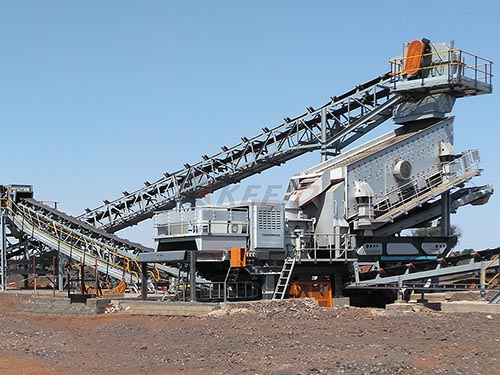
- Executive Summary: Overview of the proposed plant, its capacity, and key features.
- Technical Specification Sheet: Detailed specifications for each piece of equipment, including model numbers, power ratings, dimensions, weight, and material of construction.
- Process Flow Diagram (PFD): A schematic showing the sequence of crushing and screening stages, material flow paths, and stockpile locations.
- General Arrangement (GA) Drawing: A layout drawing showing the physical placement of all equipment, conveyor routes, access platforms, and maintenance areas.
- Electrical and Control System Description: Explanation of the automation level, control philosophy, and instrumentation.
- Environmental and Safety Features: List of dust suppression systems, noise control measures, safety guards, and emergency shutdown systems.
- Scope of Supply: Clear delineation of what is included (e.g., all mechanical equipment, electrical panels, interconnecting cables, structural steel, chutes, and hoppers) and what is excluded (e.g., civil foundations, site preparation, installation labor, commissioning, training).
- Commercial Terms:
- Price: FOB (Free on Board), CIF (Cost, Insurance, Freight), or EXW (Ex Works) basis. The quotation should specify the currency and any applicable taxes or duties.
- Payment Terms: Typical milestones include a down payment (e.g., 30% upon order confirmation), progress payments (e.g., 40% upon shipment), and final payment (e.g., 30% upon commissioning or acceptance).
- Delivery Time: Lead time from order to shipment, including manufacturing, assembly, and testing.
- Warranty: Standard warranty period (usually 12-24 months from commissioning or 18 months from shipment, whichever comes first). ISO-certified suppliers often offer extended warranties on critical components.
- After-Sales Support: Availability of spare parts, technical support, and field service engineers.
- Certifications and Compliance: Copies of ISO certificates (9001, 14001, 45001, 50001) and any other relevant certifications (e.g., CE marking for European markets, GOST for Russia, or SABS for South Africa).
Part 4: Cost Factors and Budgeting
The quotation price for an ISO-certified stone quarry crushing plant can vary widely based on several factors. A typical mid-to-large capacity plant (200-500 tons per hour) can range from $500,000 to $5,000,000 USD or more. Key cost drivers include:
- Plant Capacity: Higher throughput requires larger crushers, more screens, and longer conveyors, directly increasing capital expenditure.
- Material Hardness and Abrasiveness: Crushing hard, abrasive rock (e.g., granite, basalt) requires more robust, wear-resistant equipment, which is more expensive than plants designed for soft limestone.
- Level of Automation: A fully automated plant with PLC, SCADA, and remote monitoring capabilities costs significantly more than a manually operated plant.
- Environmental Compliance: High-efficiency dust collection systems, noise enclosures, and water treatment facilities add substantial cost but are often mandatory for ISO 14001 compliance.
- Mobility: Stationary plants are generally less expensive than mobile or semi-mobile plants, but mobile plants offer flexibility and lower civil costs.
- Supplier Reputation and Location: Established international brands (e.g., Metso, Sandvik, Terex, Thyssenkrupp) command premium prices compared to regional manufacturers, but they often provide superior reliability, after-sales support, and resale value.
Part 5: Evaluating Quotations – A Checklist for Buyers
Receiving multiple quotations is essential for competitive bidding. However, the lowest price is rarely the best value. Use the following checklist to evaluate quotations objectively:
- Verify ISO Certifications: Request copies of valid ISO certificates. Check the scope of certification—does it cover the specific plant design and manufacturing activities?
- Compare Technical Specifications: Ensure that all quotations are based on the same material characteristics and production requirements. Look for differences in crusher types, motor sizes, and screen areas.
- Assess Scope of Supply: Identify any exclusions. A low price may be due to a narrower scope (e.g., excluding electrical panels, structural steel, or installation).
- Review Warranty and After-Sales Support: A longer warranty and local service presence can save significant costs over the plant’s lifetime.
- Evaluate Energy Efficiency: Request estimated power consumption per ton. An ISO 50001-certified plant may have a higher upfront cost but lower operating costs.
- Check References: Ask for contact details of previous clients with similar plants. Inquire about reliability, spare parts availability, and supplier responsiveness.
- Consider Total Cost of Ownership (TCO): Include capital cost, installation cost, operating cost (power, wear parts, labor), maintenance cost, and expected lifespan. A higher initial investment may be justified by lower TCO.
Part 6: Conclusion
An ISO-certified stone quarry crushing plant represents a commitment to quality, safety, environmental stewardship, and operational excellence. The quotation for such a plant is a complex document that requires careful analysis beyond the headline price. By understanding the relevant ISO standards, the key components of the plant, the quotation process, and the cost factors involved, buyers can make informed decisions that align with their project goals and budget constraints. Investing in an ISO-certified plant is not merely a regulatory checkbox; it is a strategic decision that enhances product quality, reduces operational risks, and ensures long-term profitability in the competitive aggregates market. When requesting a quotation, always insist on a detailed, transparent, and technically comprehensive proposal from a supplier with verifiable ISO credentials. This approach will safeguard your investment and lay the foundation for a successful quarry operation.
