
Luxury Stone Quarry Crushing Plant Logistics: Managing the Journey from Extraction to Exquisite Finish
Introduction
The extraction and processing of luxury stone—materials such as high-grade marble, exotic granite, onyx, travertine, and rare quartzite—represent a specialized segment of the global natural stone industry. Unlike aggregate or dimensional stone operations serving mass construction markets, luxury stone quarries cater to a clientele that demands exceptional aesthetic quality, structural integrity, and consistency of veining and color. The crushing plant within such an operation is not merely a comminution facility; it is a critical node in a tightly controlled logistics chain that begins at the quarry face and ends at high-end architectural projects, bespoke furniture, or artisanal installations. This article examines the logistics of luxury stone quarry crushing plants, addressing the unique challenges, infrastructure requirements, material handling protocols, and quality assurance measures that distinguish these operations from conventional stone processing facilities.
Defining the Luxury Stone Segment
Luxury stone is characterized by rarity, visual distinctiveness, and the ability to accept a high polish or fine finish without structural compromise. Examples include Calacatta and Statuario marble from Italy, Nero Marquina from Spain, Blue Bahia granite from Brazil, and translucent onyx from Iran and Turkey. Because these materials command premium prices—often hundreds to thousands of U.S. dollars per square meter—the logistics of their extraction and processing must minimize waste, prevent contamination, and preserve block integrity for subsequent slab production.
In many luxury stone operations, the primary product is not crushed aggregate but large blocks for slab sawing. However, crushing plants still play an essential role. They process marginal material, offcuts, and blocks that fail to meet slab-grade standards, converting them into valuable by-products such as terrazzo chips, decorative aggregates, engineered stone feedstock, and fine powders for fillers or pigments. The logistics of this crushing plant must therefore be integrated with the quarry’s block-handling operations, ensuring that only appropriate material enters the crusher while high-value blocks are diverted to slab processing.
Quarry-to-Plant Material Flow
The logistics chain begins at the quarry face. In luxury stone quarries, extraction is typically carried out using diamond wire saws, chain saws, or controlled drilling and splitting, rather than blasting. Blasting is avoided because it introduces microfractures that reduce the value of the stone. As a result, the run-of-quarry (ROQ) material delivered to the crushing plant is often in the form of irregular blocks, boulders, and fragments that are too small or too fractured for slab production.
Transporting this material to the crushing plant involves specialized haulage. Off-highway rigid dump trucks or articulated haulers with low ground pressure are used to minimize soil compaction and erosion on quarry roads. In environmentally sensitive or high-altitude operations, conveyor systems or cableways may be employed to reduce truck traffic and dust generation. The logistics plan must account for haul road gradients, turning radii, and traffic management to avoid bottlenecks, especially when block haulage and waste haulage share the same routes.
Crushing Plant Design and Layout
A luxury stone crushing plant differs from a conventional aggregate plant in several key respects. First, the plant is typically smaller in capacity, often processing between 50 and 300 tonnes per hour, because the total volume of waste and marginal material is limited. Second, the plant must be designed for frequent material changes. Luxury stone operations may process marble, granite, and onyx in the same facility, requiring thorough cleaning between runs to prevent color contamination. Third, the plant must preserve the chemical and physical properties of the stone, particularly for by-products destined for terrazzo or engineered stone.
The typical layout includes:
Quality Control and Traceability
Logistics in luxury stone crushing is inseparable from quality control. Every batch of material must be traceable to its quarry location, extraction date, and processing run. This traceability supports claims about origin, which are important for architectural specifications and sustainability certifications. In the plant, quality control includes:
Waste Management and By-Product Logistics
One of the most significant logistical challenges in luxury stone crushing is the management of waste and by-products. Unlike aggregate operations that produce mostly saleable products, luxury stone plants generate a high proportion of fines and sludge. These materials must be handled responsibly to avoid environmental fines and to recover value where possible.
Key logistics considerations include:
Infrastructure and Utilities
A luxury stone crushing plant requires reliable infrastructure. Power supply is often a limiting factor in remote quarry locations. Diesel generators, grid connections, or hybrid systems must be sized to handle the plant’s load, including crushers, screens, conveyors, and dust collectors. Water supply is essential for dust suppression and washing, and water recycling systems are increasingly common to reduce consumption and discharge.
Roads and hardstands must be designed for heavy vehicle traffic and all-weather access. In mountainous terrain, retaining walls, drainage channels, and slope stabilization are necessary to prevent landslides and erosion. Communications systems, including two-way radio and fleet management software, support coordination between the quarry face, the crushing plant, and the dispatch office.
Safety and Regulatory Compliance
Safety is paramount in any crushing operation, but luxury stone quarries often face additional scrutiny because of their visibility and proximity to communities. Logistics planning must incorporate:
Regulatory compliance varies by jurisdiction but typically includes quarry permits, air and water discharge permits, waste management licenses, and cultural heritage or environmental impact assessments. Logistics managers must maintain accurate records for audits and renewals.
Technology and Automation
Modern luxury stone crushing plants increasingly adopt digital technologies to improve logistics. GPS fleet tracking monitors truck cycles and fuel consumption. Drones survey stockpiles and quarry faces, providing accurate volume data for production planning. Automated weighbridges and RFID tags streamline material tracking. Plant control systems using programmable logic controllers (PLCs) and human-machine interfaces (HMIs) optimize crusher settings and screen performance in real time. Predictive maintenance using vibration sensors and thermal imaging reduces downtime.
Case Study: Marble By-Product Logistics in Carrara, Italy
The Carrara marble district offers a instructive example. For centuries, marble extraction has generated enormous quantities of waste. Today, modern crushing plants process this material into calcium carbonate powders for paper, plastics, and pharmaceuticals, as well as decorative aggregates for terrazzo. Logistics challenges include narrow mountain roads, limited storage space, and strict environmental regulations. Successful operators use conveyor belts to transport waste from the quarry to the plant, rail to move products to ports, and covered stockpiles to prevent stormwater contamination.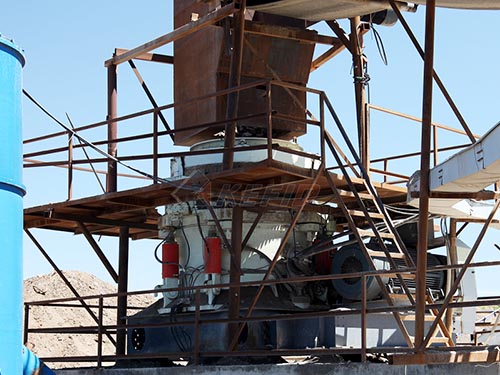
Conclusion
Luxury stone quarry crushing plant logistics is a specialized discipline that demands a holistic approach. It requires integration of quarry operations, plant design, quality control, waste management, infrastructure, safety, and technology. The goal is not merely to crush stone but to preserve value, minimize waste, and deliver consistent, traceable products to discerning customers. As the global market for luxury stone continues to grow, particularly in Asia, the Middle East, and North America, the logistics of crushing plants will play an increasingly strategic role in determining the competitiveness and sustainability of luxury stone operations. Operators who invest in thoughtful logistics planning, advanced equipment, and robust quality systems will be best positioned to succeed in this exacting industry.
If you have any questions about our products, please feel free to contact us. We take all inquiries and suggestions very seriously.