Title: ODM 250–300 TPH Stone Crushing Plant Manufacturer: A Comprehensive Guide for Global Buyers
Introduction
In the aggregate production, mining, and construction industries, the demand for efficient, reliable, and scalable crushing solutions continues to rise. Among the most sought-after configurations is the 250–300 tons-per-hour (TPH) stone crushing plant, a capacity range that balances high output with operational flexibility. For buyers seeking a tailored solution, partnering with an Original Design Manufacturer (ODM) offers distinct advantages—custom engineering, integrated production, and end-to-end support. This article provides an in-depth, objective overview of what an ODM 250–300 TPH stone crushing plant manufacturer does, the technical considerations involved, and how to evaluate potential suppliers.
Understanding the 250–300 TPH Capacity Range
A 250–300 TPH stone crushing plant is typically classified as a medium-to-large scale stationary or semi-mobile facility. It is designed to process materials such as granite, basalt, limestone, river stone, and construction waste into graded aggregates for concrete, asphalt, and road base applications. The capacity range is significant because it accommodates:
- Feed size variability: Plants in this class usually accept feed sizes up to 600–800 mm, depending on the primary crusher selection.
- Product flexibility: Manufacturers can configure the plant to produce multiple aggregate sizes (e.g., 0–5 mm, 5–10 mm, 10–20 mm, 20–40 mm) simultaneously using screening and conveying systems.
- Scalability: The 250–300 TPH range often serves as a modular platform that can be expanded or modified as production requirements evolve.
Typical plant configurations include a primary jaw crusher or impact crusher, a secondary cone crusher or impact crusher, a vibrating screen, and a network of belt conveyors. The choice of crusher types depends on the material’s hardness, abrasiveness, and desired product shape.
The Role of an ODM Manufacturer
An ODM manufacturer differs from a standard equipment supplier in several key respects. Whereas an OEM (Original Equipment Manufacturer) produces equipment to its own specifications for branding by another party, an ODM designs and manufactures products based on the buyer’s requirements, often incorporating proprietary designs and engineering expertise. For a 250–300 TPH stone crushing plant, an ODM manufacturer typically provides:
- Custom Process Design: The manufacturer analyzes the buyer’s raw material characteristics, site conditions, and product specifications to develop a tailored flowsheet. This includes crusher selection, screen sizing, conveyor layout, and dust control measures.
- Integrated Manufacturing: ODM manufacturers often produce key components—crushers, feeders, screens, and structural steel—in-house, ensuring quality control and consistent lead times.
- Design Ownership and Flexibility: Buyers can request modifications to standard designs, such as reinforced frames for high-abrasion materials, alternative drive systems, or climate-specific electrical components.
- Compliance and Documentation: Reputable ODMs provide engineering drawings, operation manuals, and certification documentation (e.g., CE, ISO) suitable for import and permitting in the buyer’s country.
Key Technical Considerations for a 250–300 TPH Plant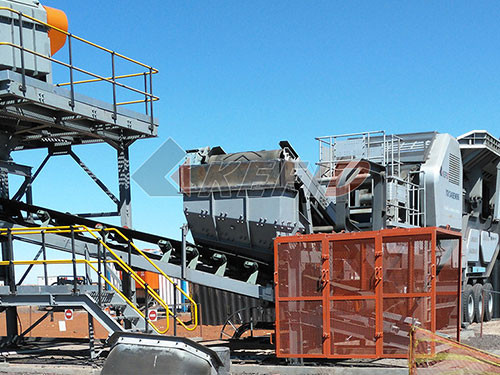
When evaluating an ODM manufacturer, buyers should examine the technical specifications and design philosophy behind the proposed plant. Critical factors include:
- Crusher Selection and Reduction Ratio: A primary jaw crusher with a feed opening of at least 900 × 600 mm is common for this capacity. Secondary crushing often employs a cone crusher (for hard rock) or impact crusher (for softer materials). The manufacturer should demonstrate a balanced reduction ratio across stages to avoid bottlenecks.
- Screen Efficiency: Vibrating screens must be sized to handle the circulating load and produce accurate separations. A typical configuration might include a 3-deck or 4-deck screen with a screening area of 18–30 m².
- Conveyor Design: Belt widths, incline angles, and transfer points should be engineered to minimize spillage and wear. The ODM should provide conveyor capacity calculations based on the plant’s peak throughput.
- Power and Automation: Total installed power for a 250–300 TPH plant typically ranges from 400–600 kW. Modern ODM designs often include PLC-based control systems, variable frequency drives, and remote monitoring capabilities.
- Dust Suppression and Environmental Controls: Water spray systems, dust collectors, and enclosed transfer points are essential for regulatory compliance and worker safety.
Manufacturing Capabilities and Quality Assurance
A credible ODM manufacturer should demonstrate robust manufacturing infrastructure. This includes:
- Fabrication Facilities: CNC cutting, automated welding, and stress-relief processes for crusher frames and structural components.
- Machining Accuracy: Precision machining of bearing seats, shaft journals, and toggle seats is critical for crusher reliability.
- Assembly and Testing: Complete plants or modules should undergo trial assembly and no-load run testing before shipment.
- Quality Certifications: ISO 9001 certification, CE marking for European markets, and third-party inspection reports add credibility.
Buyers should request factory audit reports, reference lists, and video documentation of similar plants in operation.
Customization Options Offered by ODMs
One of the primary reasons to choose an ODM is the ability to tailor the plant to specific project requirements. Common customization requests include:
- Material-Specific Wear Parts: High-chrome or manganese steel liners for abrasive rock; ceramic liners for conveyor chutes.
- Site Layout Adaptation: Modular designs for confined sites or semi-mobile configurations with wheel-mounted or skid-mounted chassis.
- Climate Packages: Cold-weather starting systems, tropicalized electrical enclosures, and corrosion-resistant coatings.
- Automation Levels: From basic push-button control to fully automated plants with remote diagnostics and production reporting.
- Auxiliary Equipment Integration: Dust suppression, magnetic separators, and water recycling systems can be incorporated into the plant design.
Evaluating an ODM Manufacturer: A Practical Checklist
To make an informed decision, buyers should systematically assess potential suppliers:
- Engineering Depth: Does the manufacturer employ in-house process engineers and designers? Can they provide mass balance calculations and general arrangement drawings?
- Project References: Are there verifiable installations in similar capacity ranges and material types? Request contact information for past clients where possible.
- Spare Parts and After-Sales Support: What is the availability of wear parts and critical spares? Is there a documented warranty and service response policy?
- Lead Times and Logistics: Can the manufacturer provide a realistic production schedule and handle export packing, shipping, and documentation?
- Financial Stability: For large projects, consider the manufacturer’s financial health and track record of completing orders on time.
- Communication and Transparency: Responsiveness during the inquiry phase is often indicative of post-sale support quality.
Installation, Commissioning, and Training
A responsible ODM manufacturer should offer more than equipment delivery. Comprehensive services include:
- Site Preparation Guidance: Foundation drawings and civil works recommendations.
- Installation Supervision: Experienced technicians to oversee assembly and alignment.
- Commissioning Support: Performance testing to verify capacity, product gradation, and power consumption.
- Operator Training: Classroom and hands-on training for plant operators and maintenance staff.
- Documentation: As-built drawings, spare parts catalogs, and maintenance schedules.
Total Cost of Ownership Considerations
While purchase price is a primary factor, buyers should evaluate the total cost of ownership over the plant’s lifecycle. This includes:
- Energy Consumption: Efficient crusher designs and optimized conveyor layouts reduce electricity costs.
- Wear Part Life: Quality liners and jaw plates reduce downtime and replacement costs.
- Maintenance Accessibility: Well-designed access platforms and centralized lubrication systems lower labor requirements.
- Uptime and Reliability: Robust components and proven designs minimize unscheduled stoppages.
An ODM manufacturer that provides detailed cost modeling and transparent performance guarantees is preferable to one that competes solely on initial price.
Market Trends and Future-Proofing
The stone crushing industry is evolving toward greater automation, environmental responsibility, and energy efficiency. When selecting an ODM partner, consider whether the manufacturer’s designs accommodate:
- IoT and Remote Monitoring: Sensors for vibration, temperature, and power draw enable predictive maintenance.
- Modular Expansion: Designs that allow adding a tertiary crushing stage or additional screening capacity without major structural changes.
- Sustainability Features: Water recycling, dust containment, and noise reduction measures that align with tightening regulations.
Conclusion
Selecting an ODM manufacturer for a 250–300 TPH stone crushing plant is a strategic decision that impacts project profitability, operational reliability, and long-term scalability. A qualified ODM partner brings engineering expertise, manufacturing discipline, and customization capabilities that generic suppliers often cannot match. By evaluating technical proposals rigorously, verifying manufacturing quality, and assessing after-sales support, buyers can secure a crushing solution that meets their production targets and operational realities. In a competitive global market, the right ODM partnership transforms a capital equipment purchase into a durable, productive asset.
