Industrial Slag Crusher Plant Manufacturers: A Comprehensive Analysis of Technology, Market Dynamics, and Global Leaders
Introduction
The global industrial landscape is increasingly defined by the principles of circular economy, resource optimization, and sustainable waste management. Among the myriad of industrial by-products, slag—a non-metallic residue generated from metal smelting processes—presents both a significant environmental challenge and a valuable resource opportunity. Steel slag, blast furnace slag, copper slag, and ferroalloy slag, among others, are produced in vast quantities annually. The efficient processing of this material into reusable aggregates, cementitious materials, or road base requires specialized, robust, and high-capacity machinery. This is where the role of Industrial Slag Crusher Plant Manufacturers becomes paramount.
These manufacturers are not merely suppliers of crushing equipment; they are engineering partners who design integrated systems capable of handling the extreme abrasiveness, high hardness, and variable chemical composition of slag. This article provides a detailed, professional, and objective examination of the industry, covering the technological intricacies of slag crushing, the key criteria for selecting a manufacturer, the leading global players, market trends, and future outlook. The objective is to equip procurement managers, plant engineers, and industry analysts with a comprehensive understanding of this specialized sector.
1. The Technical Imperative: Why Slag Crushing is Unique
To appreciate the expertise required from manufacturers, one must first understand the material itself. Industrial slag is fundamentally different from natural stone or conventional construction aggregates.
- Extreme Hardness and Abrasiveness: Steel slag, for instance, often contains free iron oxides (FeO, Fe₂O₃) and metallic iron, making it extremely abrasive. Its Mohs hardness can range from 6 to 7, comparable to granite. This necessitates crushers with wear-resistant liners, such as manganese steel or chrome-molybdenum alloys.
- High Density and Weight: Slag is significantly heavier than typical rock. A cubic meter of steel slag can weigh 1.6 to 2.0 tons, requiring robust foundations, heavy-duty feeders, and powerful drive systems.
- Variable Feed Size and Composition: Slag comes in lumps ranging from several meters (from tapping pits) to fine dust. It also contains a mixture of metallic and non-metallic components. A plant must be designed to handle this heterogeneity, often incorporating magnetic separation at multiple stages.
- Metallic Contamination: The presence of entrapped metal (iron, steel) is a major challenge. It can damage conventional crushers. Therefore, specialized designs, such as overband magnets, drum magnets, and eddy current separators, are integrated into the plant layout.
- Cementitious Properties: For blast furnace slag (GBFS), the goal is often to produce a fine powder (GGBFS) that acts as a supplementary cementitious material. This requires not only crushing but also drying and grinding in vertical roller mills or ball mills, a process distinct from simple aggregate production.
Given these challenges, an industrial slag crusher plant is not a standard rock-crushing line. It is a customized, multi-stage system that typically includes:
- Primary Crushing: Jaw crushers or gyratory crushers to reduce large slag blocks (up to 1 meter) to 150-200 mm.
- Secondary/Tertiary Crushing: Cone crushers, impact crushers (with specialized slag hammers), or roll crushers for further size reduction.
- Screening: Vibrating screens to separate material by size.
- Magnetic Separation: Overband magnets and magnetic pulleys to recover metallic iron.
- Washing (Optional): To remove dust and impurities, especially for slag used in concrete.
- Stockpiling and Loading: Conveyor systems and stackers.
2. Key Criteria for Evaluating Manufacturers
Selecting a manufacturer for an industrial slag crusher plant is a high-stakes decision. The wrong choice can lead to frequent downtime, excessive wear costs, and suboptimal product quality. The following criteria are essential for an objective evaluation:
2.1. Engineering and Design Capability
A top-tier manufacturer does not offer a one-size-fits-all solution. They must have a dedicated engineering team capable of:
- Material Testing: Analyzing the client’s specific slag sample for abrasiveness, compressive strength, and chemical composition.
- Flow Sheet Design: Creating a customized process flow diagram that optimizes crushing stages, screening, and metal recovery.
- Structural and Civil Engineering: Designing the plant layout, foundations, and support structures to withstand heavy dynamic loads.
2.2. Crusher Technology and Wear Parts
The core of the plant is the crusher. Manufacturers must offer proven, robust crusher designs. Key technologies include:
- Jaw Crushers: For primary crushing, with deep crushing chambers and hydraulic adjustment systems.
- Cone Crushers: For secondary/tertiary crushing, with high eccentric throws and tramp iron relief systems to protect against uncrushable metal.
- Vertical Shaft Impactors (VSI): For shaping slag into cubical aggregates, though wear costs can be high.
- Roll Crushers: For producing a more uniform, finer product with lower fines generation.
The manufacturer’s ability to supply high-quality, long-lasting wear parts (liners, hammers, jaws) is critical. Some manufacturers have in-house foundries, ensuring quality control and faster supply.
2.3. Magnetic Separation Integration
Effective metal recovery is a primary economic driver. A manufacturer should offer or partner with suppliers of:
- Overband Magnets: For removing large ferrous pieces from conveyor belts.
- Drum Magnets: For continuous separation of finer ferrous materials.
- Eddy Current Separators: For recovering non-ferrous metals (e.g., copper, aluminum) from non-metallic slag.
The integration of these systems into the crushing circuit must be seamless to avoid bottlenecks.
2.4. Automation and Control Systems
Modern slag plants are highly automated. Manufacturers should provide:
- PLC-Based Control Panels: For monitoring crusher loads, conveyor speeds, and screen performance.
- Remote Monitoring: Allowing operators to adjust settings and diagnose issues from a central control room.
- Safety Interlocks: Emergency stops, belt sway switches, and pull cords.
2.5. After-Sales Service and Spare Parts Availability
Given the harsh operating conditions, breakdowns are inevitable. A manufacturer’s reputation is built on:
- Global Service Network: Availability of field engineers for installation, commissioning, and troubleshooting.
- Spare Parts Warehousing: Strategically located warehouses to minimize lead times for critical wear parts.
- Training Programs: Comprehensive training for the client’s operators and maintenance teams.
2.6. Track Record and References
Objective evaluation requires examining the manufacturer’s portfolio. Key questions include:
- How many slag plants have they installed globally?
- What is the capacity range (tons per hour) of their plants?
- Can they provide references from clients in similar industries (steel, copper, ferroalloy)?
- What is the average uptime of their installed plants?
3. Leading Global Manufacturers: A Market Overview
The market for industrial slag crusher plants is dominated by a mix of multinational heavy equipment corporations and specialized regional players. The following is an objective overview of key manufacturers, categorized by their strengths.
3.1. Multinational Heavyweights
These companies offer comprehensive solutions, often for large-scale, integrated steel mills.
- Metso Outotec (Finland): A global leader in minerals processing. Their Nordberg® range of jaw, cone, and impact crushers is widely used in slag processing. They offer complete plant solutions, including advanced automation (Metso DNA) and high-capacity screens. Their strength lies in engineering expertise and global service support. They are particularly strong in primary crushing and large-capacity plants.
- Sandvik (Sweden): Another dominant player, known for its CH and CS series cone crushers and CJ jaw crushers. Sandvik’s mobile and stationary solutions are popular for slag processing. Their focus on digitalization (e.g., My Sandvik portal) and wear part optimization (e.g., Sandvik Rock Processing) makes them a strong contender. They excel in secondary and tertiary crushing stages.
- ThyssenKrupp (Germany): A major supplier to the steel industry itself, ThyssenKrupp has deep domain knowledge. Their Kubria® cone crushers and gyratory crushers are designed for heavy-duty applications. They offer complete engineering, procurement, and construction (EPC) services for slag processing plants, often integrated with steel mill operations.
- FLSmidth (Denmark):) Primarily known for cement and minerals, FLSmidth also provides slag grinding and crushing solutions. Their EV™ hammer impact crusher and OK™ vertical roller mill are used for processing blast furnace slag into GGBFS. They are a top choice for clients focusing on slag cement production.
3.2. Specialized Slag Processing Experts
These manufacturers focus exclusively or heavily on slag and scrap processing, offering highly tailored solutions.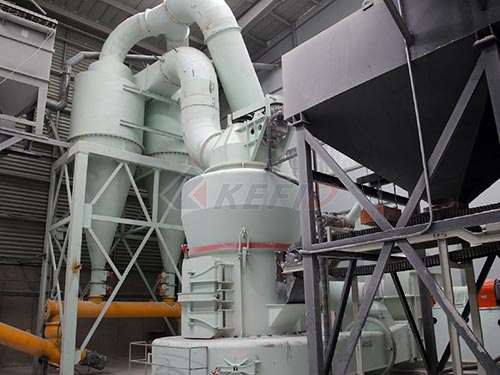
- Eagle Crusher (USA): Known for their UltraMax® impact crushers, which are specifically designed for recycling and slag applications. They offer portable and stationary plants with integrated magnetic separators. Their strength is in the North American market and for medium-capacity operations.
- McLanahan (USA):) A family-owned company with a strong focus on crushing, screening, and washing. They offer specialized slag crushers, including their Universal Jaw Crushers and Triple Roll Crushers. They are known for robust, simple designs and excellent customer support in the aggregates and mining sectors.
- Binder+Co (Austria): A specialist in screening and processing technology, particularly for glass and slag. They offer high-frequency screens and air classifiers for fine slag processing. They are a key player for clients requiring precise particle size distribution.
- Hazemag (Germany): A pioneer in impact crusher technology. Their AP-PH and AP-K series impactors are designed for hard rock and slag. They offer complete plant solutions with a focus on wear reduction and energy efficiency.
3.3. Regional and Emerging Market Leaders
These manufacturers are dominant in their respective regions, often offering cost-effective solutions.
- CITIC Heavy Industries (China): A state-owned enterprise that manufactures large-scale mining and cement equipment. They offer complete slag grinding and crushing plants, including vertical roller mills and ball mills. They are highly competitive on price and are a major supplier to Belt and Road Initiative projects.
- Mesto (India): A leading Indian manufacturer of crushing and screening equipment. They offer a range of jaw and cone crushers suitable for slag, along with mobile plants. They are known for robust, low-maintenance designs and competitive pricing.
- Bevcon Wayors (India): Specializes in bulk material handling and crushing systems. They offer customized slag crusher plants with integrated magnetic separators and dust suppression systems. They are a strong player in the Indian and Middle Eastern markets.
4. Market Trends and Future Outlook
The industrial slag crusher plant market is evolving rapidly, driven by several key trends:
4.1. Shift Towards Mobile and Semi-Mobile Plants
Steel mills are increasingly opting for mobile or semi-mobile slag processing plants. These can be moved closer to the slag dump, reducing haulage costs. They also offer faster setup times and lower capital investment. Manufacturers like Sandvik, Metso, and Eagle Crusher are leading this trend with track-mounted and wheel-mounted units.
4.2. Emphasis on Metal Recovery and Circular Economy
The economic value of recovered metal is becoming a primary driver. Plants are now designed with multiple stages of magnetic separation, eddy current separators, and even sensor-based sorting (e.g., X-ray transmission) to maximize metal recovery. This transforms slag from a waste liability into a profit center.
4.3. Digitalization and Predictive Maintenance
IoT sensors, cloud-based monitoring, and AI-driven analytics are being integrated into slag plants. These systems predict wear part life, optimize crusher settings, and alert operators to potential failures before they occur. This reduces downtime and lowers operating costs.
4.4. Environmental Regulations and Dust Control
Stringent environmental norms are forcing manufacturers to incorporate advanced dust suppression systems (e.g., mist cannons, baghouses) and noise reduction enclosures. Water recycling systems for wet processing are also becoming standard.
4.5. Processing of Complex Slags
As the industry moves towards processing more complex slags (e.g., stainless steel slag, ferrochrome slag), manufacturers are developing specialized crushers and separation technologies to handle higher chrome content and other refractory materials.
5. Conclusion
The selection of an Industrial Slag Crusher Plant Manufacturer is a strategic decision that impacts the profitability, sustainability, and operational efficiency of any metal-producing or recycling operation. The market offers a diverse range of players, from global engineering giants like Metso Outotec and Sandvik to specialized experts like Eagle Crusher and regional leaders like CITIC.
The ideal manufacturer is not simply the one with the lowest price, but the one that demonstrates deep technical expertise in slag processing, offers robust and wear-resistant equipment, provides integrated metal recovery solutions, and delivers reliable after-sales support. As the global push for a circular economy intensifies, the role of these manufacturers will only grow in importance. They are the enablers of a future where industrial waste is not a burden, but a valuable resource. For any organization planning a slag processing investment, a thorough, objective evaluation of manufacturers against the criteria outlined in this article is the first and most critical step towards success.
