Industrial Stone Crusher Plant Catalog: A Comprehensive Technical Overview
The industrial stone crusher plant is the backbone of modern infrastructure, aggregate production, mining, and construction recycling. A typical plant is not a single machine but an integrated system of crushing, screening, conveying, and storage units engineered to convert raw rock into graded, saleable aggregates. This catalog provides a professional, objective, and detailed examination of the core components, configurations, technical specifications, selection criteria, and operational considerations that define a modern stone crusher plant.
1. Primary Function and System Architecture
A stone crusher plant is designed to reduce large rocks (from 300 mm to 1000 mm in feed size) into smaller fractions (ranging from 0–5 mm sand to 40–80 mm coarse aggregates) through a series of mechanical compression, impact, or attrition forces. The system architecture is modular, comprising four main stages:
- Feeding & Pre-Screening: Raw material is loaded via a vibrating feeder (grizzly) that removes fines (< 50 mm) before the primary crusher, preventing unnecessary wear.
- Primary Crushing: Reduces run-of-mine (ROM) material to a manageable size (150–250 mm) using high-capacity jaw or gyratory crushers.
- Secondary & Tertiary Crushing: Further reduces material to final product sizes using cone crushers, impact crushers, or vertical shaft impactors (VSI).
- Screening & Washing: Vibrating screens classify material by size; washing systems (log washers, hydrocyclones) remove clay and dust for premium sand production.
- Conveying & Stockpiling: Belt conveyors transfer material between stages, with radial stackers creating stockpiles for load-out.
2. Core Equipment Specifications
2.1 Primary Crushers
| Type |
Feed Opening (mm) |
Capacity (tph) |
Reduction Ratio |
Best Application |
| Jaw Crusher (PE-900×1200) |
900×1200 |
220–450 |
4:1 to 6:1 |
Hard rock, granite, basalt |
| Gyratory Crusher (54-74) |
1370 mm |
2000–3000 |
5:1 to 8:1 |
Large mines, high tonnage |
| Impact Crusher (Primary) |
1500×2000 |
300–800 |
8:1 to 12:1 |
Soft to medium limestone |
Key Technical Data (Jaw Crusher Example):
- Eccentric shaft speed: 200–300 RPM
- Closed Side Setting (CSS) range: 75–200 mm
- Motor power: 110–160 kW
- Weight: 45–70 tons
2.2 Secondary & Tertiary Crushers
| Type |
Max Feed (mm) |
Output Size (mm) |
Capacity (tph) |
Power (kW) |
| Cone Crusher (Symons 4¼ ft) |
200 |
16–64 |
120–340 |
160–220 |
| Hydraulic Cone (HPT300) |
230 |
10–30 |
180–350 |
250 |
| Horizontal Shaft Impactor (HSI) |
350 |
0–40 |
150–400 |
200–315 |
| Vertical Shaft Impactor (VSI) |
50 |
0–10 (sand) |
100–300 |
220–400 |
Cone Crusher Technical Notes:
- Eccentric throw: 18–32 mm
- Hydraulic adjustment for CSS (min. 6 mm)
- Crushing chamber: standard, medium, or short head
- Lubrication: forced oil circulation with temperature sensors
2.3 Vibrating Screens
- Type: Inclined circular motion (15°–20°) or horizontal linear motion
- Decks: 2, 3, or 4
- Screen Area: 6–20 m² per deck
- Amplitude: 4–8 mm
- Vibration Frequency: 750–1200 RPM
- Mesh Options: Polyurethane, rubber, or woven wire (10–100 mm apertures)
2.4 Belt Conveyors
- Belt Width: 500–1600 mm
- Speed: 1.0–3.5 m/s
- Capacity: Up to 3000 tph
- Idler Spacing: 1.0–1.5 m (carrying), 3.0–4.0 m (return)
- Drive: Electric motor with gearbox, head or tail drive
- Safety: Emergency pull cords, belt sway switches, speed sensors
3. Plant Configurations and Layouts
3.1 Stationary Plants
Designed for permanent installations with concrete foundations. Suitable for long-term projects (>5 years) with fixed material sources. Advantages include lower operating cost per ton, higher capacity (up to 1000 tph), and full automation. Disadvantages: high civil engineering cost and immobility.
3.2 Semi-Mobile Plants
Mounted on skids or modular frames with wheels, allowing relocation within a quarry or across sites in 2–4 weeks. Ideal for medium-term projects (1–5 years). Capacity ranges from 150–600 tph. The primary crusher is often semi-mobile, while secondary units remain stationary.
3.3 Fully Mobile Plants
Track-mounted or wheel-mounted crushers and screens that move with the mining face. Best for short-term projects, urban demolition recycling, or remote sites. Capacity typically 100–450 tph. They reduce haulage costs by moving closer to the excavation point.
Layout Design Criteria: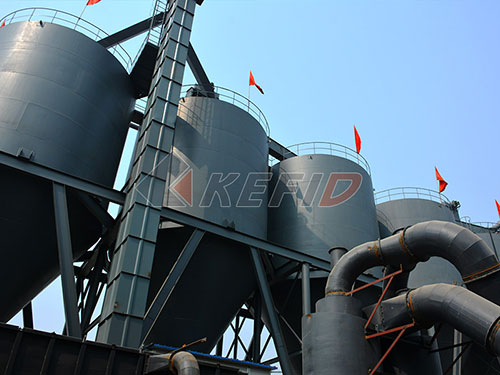
- Material flow direction (gravity-assisted where possible)
- Minimum transfer points to reduce dust and wear
- Access for maintenance cranes and mobile equipment
- Dust suppression and water spray points at every transfer
- Electrical control room placement with line-of-sight to all units
4. Electrical and Automation Systems
Modern plants operate on 380V/50Hz or 480V/60Hz three-phase power, with total installed power ranging from 300 kW (small plant) to 3000 kW (large plant). Key electrical components: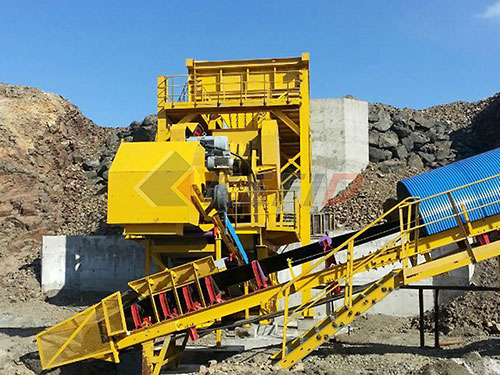
- Motor Control Centers (MCC): IP54 enclosures with VFDs (Variable Frequency Drives) for crusher motors and conveyors.
- PLC & SCADA: Programmable Logic Controller (e.g., Siemens S7-1500) monitors amperage, bearing temperature, vibration, and belt speed. SCADA provides real-time dashboards, alarms, and production reports.
- Soft Starters: Used for high-inertia crusher motors to reduce inrush current by 30–50%.
- Metal Detectors & Magnetic Separators: Installed before secondary crushers to remove tramp iron, preventing damage to cone liners.
Automation Features:
- Automatic CSS adjustment based on load feedback
- Interlock logic: if a downstream conveyor stops, upstream feeders stop automatically
- Remote monitoring via Ethernet or 4G for off-site diagnostics
5. Auxiliary Systems
5.1 Dust Suppression
- Water Spray Systems: Nozzles at crusher inlets, screen decks, and conveyor transfer points. Water consumption: 0.5–2.0 m³ per 100 tons of material.
- Dry Fog Systems: Ultrasonic atomizers producing 1–10 µm droplets that agglomerate with dust particles. Effective for < 10 µm respirable dust.
- Baghouse Filters: For enclosed crusher housings, capturing 99% of particulate matter.
5.2 Washing Systems
- Sand Screws (Fine Material Washers): Remove silt and clay from 0–10 mm fraction. Capacity: 50–200 tph.
- Hydrocyclones: For ultra-fine sand recovery (0.075–0.5 mm), often paired with dewatering screens.
- Log Washers: For heavily clay-bound aggregates, using counter-rotating shafts with paddles.
5.3 Wear Parts Management
- Jaw Plates: Manganese steel (12–14% Mn), reversible, service life 200–600 hours depending on abrasiveness.
- Cone Liners: High-chrome or manganese, replaceable in 8–12 hours with hydraulic lock systems.
- Impact Bars: Ceramic-reinforced composites for HSI crushers, reducing wear by 40% vs. standard steel.
6. Selection Criteria for a Stone Crusher Plant
When specifying a plant, the following objective parameters must be evaluated:
- Feed Material Properties: Abrasiveness (Mohs hardness), compressive strength (MPa), moisture content, and clay content. For example, basalt (300 MPa) requires a jaw + cone configuration, while limestone (100 MPa) can use a single impact crusher.
- Required Product Gradation: If the market demands 20–40 mm aggregates and 0–5 mm manufactured sand, a VSI is mandatory for shaping and sand production.
- Capacity Requirement: Annual production target divided by operating hours (typically 3000–5000 hours/year) gives the required tph. Add a 10–15% safety margin.
- Site Constraints: Available land area, elevation, proximity to residential zones (noise limits < 75 dB(A) at 1 m), and water availability.
- Energy Cost: Crushing consumes 0.5–1.5 kWh per ton. A 500 tph plant uses 250–750 kW, translating to significant annual electricity costs. VFDs and high-efficiency motors reduce this by 15–20%.
- Mobility Requirement: Fixed, semi-mobile, or fully mobile based on project duration and relocation frequency.
7. Operational Efficiency and Maintenance
Key Performance Indicators (KPIs):
- Utilization Rate: > 85% of scheduled operating time
- Crushing Ratio: Total reduction from feed to final product (typically 10:1 to 20:1)
- Wear Cost: $0.05–$0.15 per ton for manganese parts, $0.02–$0.05 for screens
- Downtime: Scheduled maintenance < 10% of operating hours; unscheduled < 3%
Preventive Maintenance Schedule (Example for Cone Crusher):
- Daily: Check oil level, temperature, and pressure; inspect belt tension; verify CSS.
- Weekly: Lubricate bearings (grease gun), check hydraulic oil filters, inspect liners for cracks.
- Monthly: Replace oil (2000 hours), check eccentric bushing wear, calibrate sensors.
- Quarterly: Full liner change, inspect main shaft, test all safety interlocks.
Common Failure Modes:
- Bearing Overheating: Caused by insufficient lubrication or excessive radial load.
- Belt Slippage: Due to misalignment or over-tensioning; reduces throughput by 20%.
- Screen Blinding: Clay or moisture clogging apertures; solved by ball decks or heated screens.
8. Environmental and Safety Compliance
Modern plants must comply with international standards (ISO 14001, OHSAS 18001) and local regulations.
- Noise Control: Enclosures for crushers, acoustic barriers, and rubber-lined chutes reduce noise from 105 dB to < 85 dB.
- Waste Management: 100% of crushed material is sold; fines and dust are recycled as fill material. Water from washing is recycled in a settling pond or thickener.
- Safety Systems: Emergency stop buttons every 20 m along conveyors, two-hand operation for hydraulic adjustments, and lockout/tagout (LOTO) procedures for maintenance.
9. Cost Estimation and Economic Analysis
Capital Cost (USD, 2025 estimates):
- Small plant (100 tph, stationary): $500,000 – $1,200,000
- Medium plant (300 tph, semi-mobile): $2,000,000 – $4,500,000
- Large plant (800 tph, stationary with washing): $8,000,000 – $15,000,000
Operating Cost (per ton of finished product):
- Energy: $0.10 – $0.30
- Wear parts: $0.10 – $0.40
- Labor (5–15 operators): $0.05 – $0.20
- Maintenance & consumables: $0.05 – $0.15
- Total: $0.30 – $1.05 per ton
Payback Period: Typically 3–7 years, depending on aggregate selling price ($8–$25 per ton) and local demand.
10. Future Trends in Crusher Plant Technology
- AI-Driven Predictive Maintenance: Vibration sensors and machine learning algorithms predict liner wear and bearing failure 200 hours in advance.
- Hybrid and Electric Drives: Fully electric plants with regenerative braking on conveyors reduce CO₂ emissions by 30%.
- Automated Sorting: Near-infrared (NIR) sensors separate contaminated materials (e.g., wood, plastic) from recycled aggregates.
- Digital Twin Simulation: Virtual plant models optimize CSS, feed rate, and screen allocation in real time, increasing throughput by 5–10%.
Conclusion
An industrial stone crusher plant is a sophisticated, capital-intensive system requiring careful engineering, precise component selection, and disciplined operational management. This catalog has outlined the essential technical parameters—from crusher types and screen specifications to automation and cost structures—to serve as a reference for engineers, project managers, and procurement specialists. The key to a successful plant lies not in the individual machines but in the seamless integration of crushing, screening, conveying, and environmental control systems, tailored to the specific rock type, product demand, and site conditions. With the advent of smart sensors and digital controls, the next generation of crusher plants will achieve unprecedented levels of efficiency, safety, and sustainability.
