
Eco-Friendly Stone Crusher Plant Suppliers: Driving Sustainability in Aggregate Production
Introduction
The global construction and mining industries rely heavily on crushed stone, sand, and gravel as fundamental raw materials for infrastructure, housing, and industrial development. However, the extraction and processing of these aggregates have historically been associated with significant environmental burdens—dust emissions, noise pollution, high energy consumption, and landscape degradation. In response to tightening environmental regulations, rising operational costs, and growing demand for sustainable practices, a new class of suppliers has emerged: eco-friendly stone crusher plant suppliers. These suppliers design, manufacture, and deliver crushing and screening systems that minimize ecological impact while maintaining high productivity and profitability. This article provides a detailed examination of what constitutes an eco-friendly stone crusher plant, the technologies and strategies employed by leading suppliers, the benefits and challenges of adopting such solutions, and the criteria for selecting a reliable supplier.
What Makes a Stone Crusher Plant Eco-Friendly?
A conventional stone crushing plant typically consists of feeders, jaw or impact crushers, cone crushers, vibrating screens, and conveyors. The environmental issues associated with these plants include:
An eco-friendly stone crusher plant addresses these issues through a combination of design innovations, advanced control systems, and operational best practices. Key attributes include:
Suppliers that specialize in these features are not merely vendors of equipment; they are partners in sustainable aggregate production.
Core Technologies Offered by Eco-Friendly Suppliers
Leading eco-friendly stone crusher plant suppliers integrate several cutting-edge technologies into their offerings.
1. Advanced Dust Suppression Systems
Dust is the most visible environmental impact of crushing. Suppliers now offer:
2. Noise and Vibration Control
Noise pollution affects workers and nearby communities. Eco-friendly plants feature:
3. Energy-Efficient Crushing Circuits
Energy is a major cost and environmental factor. Suppliers optimize circuits through:
4. Water Recycling and Closed-Loop Systems
For wash plants, eco-friendly suppliers provide:
5. Waste-to-Product Technologies
Instead of discarding fines and sludge, eco-friendly plants can:
6. Digitalization and Automation
Smart plants reduce environmental impact through:
Benefits of Choosing Eco-Friendly Stone Crusher Plant Suppliers
Regulatory Compliance
Many jurisdictions now enforce strict emission limits, noise ordinances, and water discharge standards. Eco-friendly plants help operators avoid fines, shutdowns, and legal battles. Suppliers often provide documentation and testing to support permit applications.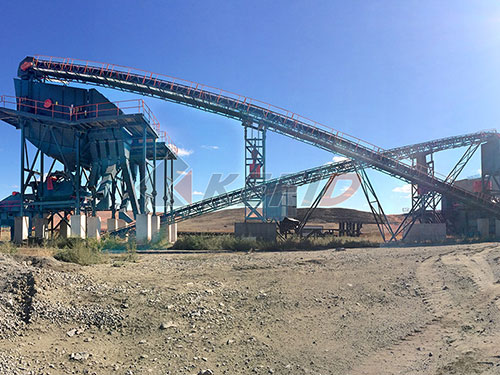
Operational Cost Savings
Although the initial capital cost may be higher, eco-friendly plants reduce:
Enhanced Community Relations
Reduced dust, noise, and truck traffic improve relations with neighboring communities. This can lead to fewer complaints, smoother permitting, and longer site life.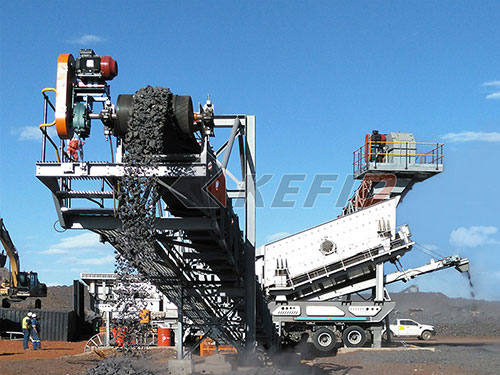
Market Advantage
Green certification and sustainability reporting are increasingly important to contractors, investors, and governments. Using eco-friendly plants can help aggregate producers win contracts that require responsible sourcing.
Worker Health and Safety
Lower dust and noise levels reduce the risk of silicosis, hearing loss, and respiratory diseases. Automated systems also reduce the need for workers in hazardous areas.
Challenges and Limitations
Eco-friendly stone crusher plants are not without challenges:
Suppliers are addressing these challenges through modular designs, financing options, and remote support.
How to Select an Eco-Friendly Stone Crusher Plant Supplier
When evaluating suppliers, consider the following criteria:
1. Proven Track Record
Ask for references from similar projects—same rock type, capacity, and regulatory environment. Request performance data on dust, noise, and energy.
2. Comprehensive Solutions
A good supplier offers not just crushers but integrated systems: feeders, screens, conveyors, dust control, water recycling, and automation. They should also provide layout design, permitting support, and training.
3. Certifications and Standards
Look for ISO 14001 (environmental management), CE marking, and compliance with local emission standards. Suppliers may also have patents for proprietary green technologies.
4. After-Sales Support
Eco-friendly plants require ongoing maintenance and optimization. Ensure the supplier offers spare parts, service contracts, remote diagnostics, and upgrades.
5. Customization
Every quarry is different. The supplier should tailor the plant to your material, climate, space, and budget. Avoid one-size-fits-all solutions.
6. Total Cost of Ownership (TCO)
Compare not only purchase price but also energy, water, maintenance, and waste disposal costs over 10–20 years. Eco-friendly plants often have lower TCO.
7. Financial Options
Some suppliers offer leasing, rental, or performance-based contracts. This can reduce the barrier to adopting green technology.
8. Innovation and R&D
Suppliers that invest in R&D are more likely to offer future-proof solutions. Check for recent patents, pilot projects, and partnerships with research institutions.
Leading Regions and Suppliers
Eco-friendly stone crusher plant suppliers are concentrated in regions with strict environmental regulations and strong manufacturing bases:
Note: This article does not endorse specific brands but provides examples for context.
Case Study: A Hypothetical Eco-Friendly Plant
Consider a 300 tph granite crushing plant in a semi-urban area. The supplier designs:
Results after one year:
This illustrates the tangible benefits of working with a dedicated eco-friendly supplier.
Future Trends
The field of eco-friendly stone crushing is evolving rapidly. Key trends include:
Suppliers that anticipate these trends will lead the market.
Conclusion
Eco-friendly stone crusher plant suppliers are transforming an industry traditionally associated with pollution and high resource use. By integrating dust suppression, noise control, energy efficiency, water recycling, and waste-to-product technologies, these suppliers enable aggregate producers to meet environmental regulations, reduce operating costs, and improve community relations. While challenges such as higher upfront costs and complexity remain, the long-term benefits—regulatory compliance, market advantage, and worker safety—are compelling. When selecting a supplier, prioritize proven track record, comprehensive solutions, after-sales support, and total cost of ownership. As the world demands more sustainable construction materials, eco-friendly stone crusher plant suppliers will play a pivotal role in building a greener future. For quarry operators, the choice is clear: partner with a supplier who shares your commitment to environmental stewardship and operational excellence.
If you have any questions about our products, please feel free to contact us. We take all inquiries and suggestions very seriously.