Custom Slag Crusher Plant: A Strategic Investment for Modern Industry
In the dynamic landscape of industrial processing and sustainable resource management, the Custom Slag Crusher Plant stands out as a critical, yet often underappreciated, asset. Moving beyond the concept of a Minimum Order Quantity (MOQ), which is typically a commercial term for standardized equipment, a custom plant represents a strategic capital investment tailored to unlock value from metallurgical by-products. This detailed exploration delves into the purpose, design considerations, operational advantages, and economic imperatives driving the adoption of bespoke slag crushing solutions.
Understanding the Raw Material: What is Slag?
Slag is a non-metallic by-product generated during the smelting and refining of ores to extract metals like iron, steel, copper, lead, and aluminum. Historically viewed as waste requiring disposal, modern perspectives recognize slag as a valuable secondary raw material. Its composition—typically a mix of silicates, alumina-silicates, and various oxides—grants it properties suitable for numerous applications:
- Construction Aggregate: Processed slag is a high-quality substitute for natural gravel in road bases, asphalt concrete, and railway ballast.
- Cementitious Material: Ground Granulated Blast Furnace Slag (GGBFS) is a key partial replacement for Portland cement in concrete, enhancing durability and reducing the carbon footprint.
- Environmental Remediation: Used in wastewater filtration and as an abrasive material.
- Agricultural Amendment: Certain slags can condition soils.
However, raw slag is produced in large, irregularly sized lumps or sheets. To transform it into a marketable product with specific size gradations and physical properties, systematic size reduction—crushing and screening—is essential.
The Case for Customization: Beyond “One-Size-Fits-All”
While standard crushers are available off-the-shelf for generic rock crushing, slag presents unique challenges that make customization not just beneficial but often necessary:
- Variable Feed Characteristics: Slag from an electric arc furnace differs significantly from blast furnace slag or non-ferrous slags in hardness (abrasiveness), density, moisture content (some slags can be hygroscopic), and lump size. A custom plant is engineered from the ground up to handle the specific slag chemistry and physical properties of a client’s facility.
- Desired End-Product Spectrum: A plant may need to produce multiple products simultaneously: e.g., minus-40mm aggregate for roads, minus-20mm for drainage layers, and minus-5mm fines for further processing into GGBFS. A custom design optimizes the crushing stages (primary, secondary, tertiary) and screening circuits to maximize yield of high-value fractions.
- Site-Specific Constraints: Available footprint space (layout can be vertical or horizontal), feed and discharge logistics (conveyor angles, truck access), dust suppression requirements (enclosed vs. open design), noise control mandates, and existing infrastructure integration all demand tailored engineering solutions.
- Throughput Capacity & Future Expansion: The plant must be sized precisely to match annual slag generation rates while considering potential future increases in production or changes in metallurgical processes.
Core Components & Design Philosophy of a Custom Plant
A well-engineered custom slag crusher plant is an integrated system where each component is selected based on rigorous analysis.
1. Feed System:
This includes heavy-duty apron feeders or vibrating grizzly feeders designed to handle hot slag (if direct feeding from tapping) or large cold lumps. They regulate feed into the primary crusher while scalping out fine material that bypasses initial crushing.
2. Crushing Circuit – The Heart of the Plant:
- Primary Crushing: For large slab-like slag lumps (up to 1-2 cubic meters), robust jaw crushers or impact crushers with high inertia are typically chosen for their ability to absorb shock loads.
- Secondary/Tertiary Crushing: Cone crushers are often preferred here due to their efficiency in producing well-shaped cubical aggregates with controlled particle size distribution. For less abrasive slags or where shape is paramount horizontal shaft impactors might be used.
- Customization Aspect: Crusher models are selected based on wear part metallurgy suited to slag abrasiveness; cavity profiles are optimized for desired reduction ratios; drive systems are sized for peak load conditions.
3. Screening & Material Flow:
Multi-deck vibrating screens separate crushed material into precise size fractions. The circuit design—whether open (single-pass) or closed-circuit with recirculation—is critical for efficiency. In closed-circuit setups oversize material from screens is returned to crushers for further reduction until it passes through.
4. Conveying & Stockpiling:
Heavy-duty belt conveyors with appropriate idlers transfer material between stages. Radial stackers create segregated stockpiles for different product grades.
5. Ancillary Systems – Ensuring Reliability & Compliance:
- Dust Suppression & Collection: A comprehensive system using water sprays at transfer points combined with baghouse filters ensures compliance with air quality standards.
- Metal Recovery Unit (MRU): An electromagnetic separator installed over conveyors recovers residual metallic iron (“tramp metal”) from the crushed stream adding significant revenue stream improving final product purity protecting downstream equipment
- Electrical Control & Automation: Modern plants feature PLC-based automation systems allowing central control monitoring production data predictive maintenance alerts optimizing energy use across entire circuit
Strategic Advantages & Return on Investment
Investing in custom-designed plant yields tangible long-term benefits: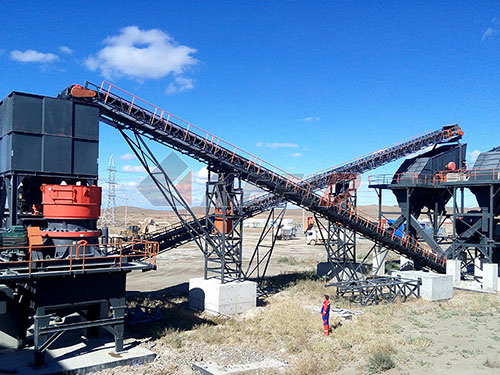
- Maximized Product Value & Yield: By targeting specific market specifications reduces production waste increases proportion premium-priced products
- Optimized Operational Costs: Properly matched components operate at peak efficiency reducing specific energy consumption per ton processed Wear parts last longer due correct application minimizing downtime maintenance expenses
- Enhanced Reliability & Uptime: Designed specifically known feedstock variability plant experiences fewer jams blockages unexpected failures leading higher overall availability
- Regulatory Compliance by Design: Environmental controls safety features engineered into layout rather than retrofitted ensuring smoother permitting operation
- Sustainability Leadership: Transforms liability waste disposal cost center profitable recycling operation contributing circular economy reducing quarrying natural aggregates lowering carbon emissions associated cement production when producing GGBFS
The Path to Realization: From Concept to Operation
Developing custom slag crusher plant involves collaborative process:
- Feasibility Study & Analysis: Detailed characterization feedstock determination end-product goals capacity requirements
- Process Design & Engineering: Creating mass flow diagrams equipment sizing layout drawings
- **Detailed Engineering Civil structural mechanical electrical instrumentation design procurement long-lead items
- **Fabrication Construction Assembly subsystems rigorous factory acceptance testing before shipment
5 Installation Commissioning Supervision erection site performance testing guarantee runs ensure meets all specifications
6 Training Handover Comprehensive operator maintenance training provision detailed manuals spare parts recommendations
Conclusion
The concept “Custom Slag Crusher Plant MOQ” ultimately transcends simple transactional commerce It represents paradigm shift viewing industrial byproducts not as waste but as resources requiring sophisticated technology unlock their value While minimum order quantities apply commodity items true custom plant engineered solution born partnership between processor technology provider It capital-intensive undertaking whose justification lies superior operational economics enhanced product control significant contribution environmental stewardship As global emphasis resource efficiency circularity intensifies strategic importance these tailor-made recycling facilities will only continue grow making them cornerstone modern sustainable metallurgical industry
