
Title: Comprehensive Analysis and Quotation Guide for 250–300 TPH Stone Crushing Plant Importers
Introduction
The global demand for construction aggregates, road base materials, and manufactured sand has driven the need for high-capacity stone crushing plants. Among the most sought-after configurations in medium-to-large scale operations is the 250–300 tons per hour (TPH) crushing plant. This capacity range is ideal for contractors, mining companies, and infrastructure developers who require a consistent supply of graded aggregates for projects such as highways, dams, railways, and commercial buildings. For importers, securing a reliable quotation for a 250–300 TPH stone crushing plant involves understanding technical specifications, equipment configurations, sourcing strategies, logistics, and total cost of ownership. This article provides a detailed, objective, and professional overview of the factors that influence the quotation process for importers, along with a realistic breakdown of what to expect in terms of pricing, delivery, and after-sales support.
1. Understanding the 250–300 TPH Crushing Plant Configuration
A 250–300 TPH stone crushing plant is typically a multi-stage crushing system designed to process hard rock (e.g., granite, basalt, quartzite) or softer materials (e.g., limestone, dolomite). The standard configuration includes:
The plant can be either stationary or mobile (wheeled or track-mounted). For importers, stationary plants are more cost-effective per ton of production, while mobile plants offer flexibility and lower civil works costs.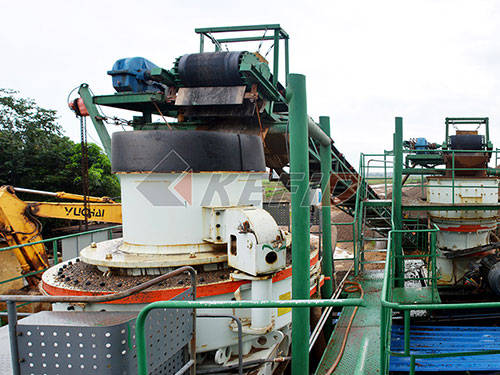
2. Key Factors Influencing the Quotation
When an importer requests a quotation for a 250–300 TPH stone crushing plant, suppliers consider several critical variables:
2.1. Material Characteristics
The hardness, abrasiveness, and moisture content of the raw material directly affect crusher selection and wear part life. For example, crushing granite (Mohs hardness 6–7) requires higher-grade manganese steel liners and more robust bearings compared to limestone (Mohs 3–4). Quotations for hard rock plants are typically 15–25% higher than for soft rock due to the need for heavy-duty components.
2.2. Product Specifications
The required final product size distribution and shape (cubical vs. flaky) influence the number of crushing stages and the inclusion of a VSI crusher. A plant producing only coarse aggregates (20–40 mm) will be simpler and cheaper than one producing multiple grades including manufactured sand.
2.3. Automation and Control Level
Basic plants with manual control are less expensive but require more operator intervention. Fully automated plants with remote monitoring, load-sensing, and automatic gap adjustment add 10–20% to the capital cost but reduce labor and downtime.
2.4. Local Compliance and Standards
Importers must ensure the plant meets local safety, electrical, and environmental regulations. For example, European (CE) or North American (UL) certifications may be required, which can increase the quotation by 5–10% due to additional testing and documentation.
2.5. Logistics and Delivery Terms
The quotation will vary significantly based on Incoterms (FOB, CIF, DDP). For a 250–300 TPH plant, the total shipping volume is approximately 3–5 standard 40-foot containers or one flat rack for the main crushers. Sea freight from major manufacturing hubs (China, India, Turkey) to ports in Africa, the Middle East, or South America can range from $8,000 to $25,000 depending on distance and port congestion.
3. Typical Quotation Breakdown (Example for a Stationary Plant)
Below is a realistic, anonymized quotation for a 250–300 TPH hard rock crushing plant sourced from a reputable Chinese manufacturer (e.g., Zhengzhou Yifan, Shanghai Shibang, or similar) with FOB Shanghai terms. Prices are in USD and are indicative as of Q1 2025.
| Component | Description | Unit Price (USD) | Quantity | Total (USD) |
|---|---|---|---|---|
| Jaw Crusher | PE-900×1200, 110 kW | 65,000 | 1 | 65,000 |
| Cone Crusher (Secondary) | CS160, 160 kW | 85,000 | 1 | 85,000 |
| Cone Crusher (Tertiary) | HPC220, 220 kW | 120,000 | 1 | 120,000 |
| Vibrating Screen (Primary) | 3YK2160, 22 kW | 18,000 | 1 | 18,000 |
| Vibrating Screen (Secondary) | 4YK2460, 30 kW | 25,000 | 1 | 25,000 |
| Belt Conveyors | Various lengths (10–30 m) | 3,000–8,000 | 8 | 40,000 |
| Control Panel | PLC + HMI, Siemens | 15,000 | 1 | 15,000 |
| Electrical Cables & Accessories | Complete set | 12,000 | 1 | 12,000 |
| Steel Structure & Support Frames | Custom fabricated | 30,000 | 1 | 30,000 |
| Total Equipment Cost (FOB) | 410,000 | |||
| Optional Add-ons: | ||||
| VSI Crusher (for sand) | VSI-900, 200 kW | 95,000 | 1 | 95,000 |
| Dust Suppression System | Water spray + mist | 12,000 | 1 | 12,000 |
| Spare Parts Kit (1 year) | Liners, belts, bearings | 25,000 | 1 | 25,000 |
| Total with Options (FOB) | 542,000 |
Additional Costs (Not Included in FOB):
4. Sourcing Strategies for Importers
4.1. Direct Manufacturer vs. Dealer
Importers can achieve 15–30% cost savings by purchasing directly from manufacturers in China, India, or Turkey. However, this requires due diligence: factory audits, reference checks, and clear contractual terms for warranty and after-sales support. Dealers offer convenience but add a markup.
4.2. Used vs. New Equipment
A used 250–300 TPH plant in good condition can be quoted at 40–60% of the new price, but importers must factor in higher maintenance costs and potential downtime. For critical infrastructure projects, new equipment is recommended.
4.3. Financing and Payment Terms
Most suppliers require a 30% advance payment (T/T) and 70% before shipment. For large orders, letters of credit (L/C) are common. Some manufacturers offer leasing or installment plans through partner banks, but interest rates vary.
5. Quality Assurance and After-Sales Support
A quotation is only as good as the support behind it. Importers should verify:
6. Common Pitfalls for Importers
7. Conclusion
A 250–300 TPH stone crushing plant represents a significant capital investment for any importer. The quotation process is complex and requires a thorough understanding of material properties, product requirements, logistics, and local regulations. Based on current market data, a new stationary plant with standard configuration (jaw + two cones + screens) costs approximately $410,000–$500,000 FOB, with total delivered and installed costs ranging from $500,000 to $800,000 depending on options and destination.
Importers are advised to request at least three quotations from reputable manufacturers, conduct factory visits (or virtual audits), and negotiate clear terms for warranty, spare parts, and technical support. By taking a systematic approach, importers can secure a cost-effective, reliable, and high-performance crushing solution that meets their production targets for years to come.
Disclaimer: The prices and figures provided in this article are for illustrative purposes only and are based on market averages as of early 2025. Actual quotations may vary based on specific requirements, currency fluctuations, and supplier policies. Importers should obtain current, binding quotations directly from suppliers.
If you have any questions about our products, please feel free to contact us. We take all inquiries and suggestions very seriously.