
China Gold Ore Crushing Equipment: Factory Pricing and Industry Dynamics
Introduction
China has long been recognized as one of the world’s leading producers of gold, as well as a dominant manufacturer of mining machinery and equipment. In recent years, the country’s gold ore crushing equipment sector has attracted significant attention from international buyers seeking cost-effective, high-performance solutions. The phrase “China gold ore crushing equipment factory price” reflects a growing demand for direct-from-manufacturer pricing, reduced intermediary costs, and reliable supply chains. This article provides a detailed, objective analysis of the factors influencing factory pricing, the types of equipment available, the technological landscape, and the practical considerations for buyers evaluating Chinese suppliers.
1. The Role of Crushing in Gold Ore Processing
Gold ore processing typically begins with comminution—crushing and grinding—which reduces the ore to a size suitable for subsequent liberation of gold particles. Crushing equipment is therefore critical to overall recovery efficiency and operational cost. In a typical flowsheet, primary crushing reduces run-of-mine ore from up to 1,000 mm or more down to approximately 100–300 mm. Secondary and tertiary crushing further reduce the material to 10–50 mm before grinding. The choice of crusher directly affects energy consumption, wear part life, throughput, and downstream performance.
Because gold ores vary widely in hardness, abrasiveness, moisture content, and clay content, no single crushing solution fits all operations. This variability is a key reason why factory pricing in China is not a simple, uniform figure but rather a range determined by configuration, capacity, and customization.
2. Major Types of Gold Ore Crushing Equipment Manufactured in China
Chinese factories produce a comprehensive range of crushing equipment for gold applications. The most common categories include:
It is important to note that these price ranges are indicative and vary with steel prices, exchange rates, order volume, and technical specifications.
3. Key Factors Determining Factory Price
Understanding why Chinese factory prices differ from one supplier to another—and from one project to another—requires examining several core variables.
3.1 Raw Material and Manufacturing Costs
Crushing equipment is heavy machinery, typically fabricated from high-manganese steel, alloy steel, and cast iron. Fluctuations in global steel prices directly affect production costs. Factories in provinces such as Henan, Shandong, and Jiangsu benefit from mature supply chains and economies of scale, often enabling lower base prices than factories in less industrialized regions.
3.2 Capacity and Specification
A crusher’s throughput capacity (tons per hour) is the single most influential price determinant. A 50 t/h jaw crusher may cost one-fifth as much as a 500 t/h unit of similar design. Additionally, motor power, discharge setting range, and automation features (such as hydraulic adjustment and PLC control) add cost.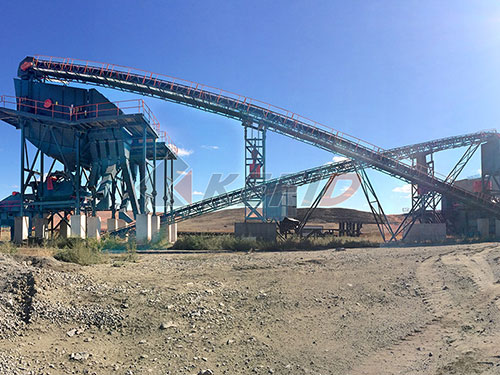
3.3 Customization and Engineering
Gold ore characteristics vary significantly. Some ores require special wear-resistant liners, corrosion-resistant components, or modified chamber designs. Custom engineering increases factory prices but can improve operational reliability. Buyers should distinguish between standard “off-the-shelf” pricing and customized solutions.
3.4 Certifications and Quality Standards
Factories holding ISO 9001, CE, or SGS certifications often charge slightly higher prices due to stricter quality control and documentation. However, these certifications can reduce risks for international buyers, particularly regarding safety and performance consistency.
3.5 Order Volume and Payment Terms
Bulk orders—such as complete crushing production lines—typically receive discounts compared to single-unit purchases. Payment terms also matter: factories may offer lower prices for full prepayment or irrevocable letters of credit, while requiring higher prices for deferred payment arrangements.
3.6 Logistics and Export Costs
“Factory price” technically excludes shipping, insurance, and export documentation. However, many Chinese suppliers quote FOB (Free On Board) or CIF (Cost, Insurance, and Freight) prices that bundle these costs. Buyers should clarify whether a quoted price is ex-works, FOB, or CIF, as this can change the effective cost by 5–15%.
4. Price Ranges by Equipment Category (Indicative)
To provide a practical reference, the following table summarizes typical factory price ranges for gold ore crushing equipment in China. These figures are based on market observations and are subject to change.
| Equipment Type | Typical Capacity (t/h) | Indicative Factory Price (USD) |
|---|---|---|
| PE Jaw Crusher | 1–50 | 5,000–30,000 |
| PE Jaw Crusher | 50–300 | 30,000–120,000 |
| PEX Jaw Crusher | 10–100 | 8,000–50,000 |
| Spring Cone Crusher | 20–200 | 20,000–100,000 |
| Hydraulic Cone Crusher | 50–500 | 50,000–300,000 |
| Hammer Crusher | 5–100 | 3,000–25,000 |
| Roll Crusher | 10–100 | 5,000–40,000 |
| Mobile Crushing Plant | 50–300 | 80,000–500,000 |
These ranges are indicative only. Actual quotations depend on specifications, accessories, and commercial terms.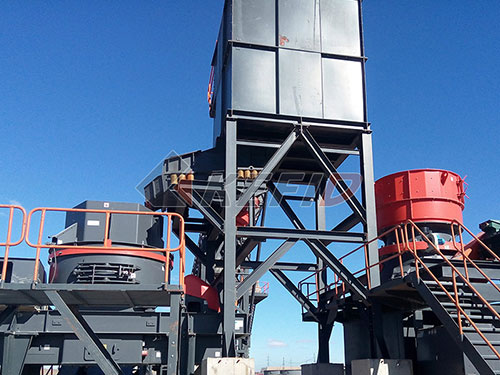
5. Technological Trends Affecting Pricing
Chinese manufacturers have invested heavily in upgrading crushing technology. Several trends influence factory pricing:
6. Comparing Chinese Factory Prices with International Alternatives
Chinese crushing equipment is generally priced 20–50% lower than comparable equipment from Europe, North America, or Japan. This price advantage stems from lower labor costs, domestic steel supply, and large-scale production. However, buyers should consider total cost of ownership, including:
In some cases, a slightly higher-priced Chinese factory with strong export experience and local service partners may offer better long-term value than the lowest-cost supplier.
7. Practical Guidance for Buyers
For international buyers seeking China gold ore crushing equipment factory prices, the following steps are recommended:
8. Risks and Limitations
While Chinese factory pricing is attractive, buyers should be aware of potential risks:
9. Conclusion
The phrase “China gold ore crushing equipment factory price” encapsulates a complex interplay of engineering, manufacturing, and commercial factors. Chinese factories offer a wide range of crushing solutions at competitive prices, driven by scale, supply chain maturity, and technological progress. However, the lowest price does not always represent the best value. Buyers should approach the market with clear specifications, thorough supplier evaluation, and a focus on total cost of ownership. By doing so, they can leverage China’s manufacturing strengths while mitigating risks, ensuring that their gold ore crushing operations are both efficient and economically sustainable.
As global gold mining continues to evolve—toward deeper deposits, lower grades, and stricter environmental standards—the demand for reliable, cost-effective crushing equipment will remain strong. Chinese manufacturers are likely to play an increasingly important role in meeting that demand, provided they continue to improve quality, service, and transparency in factory pricing.
If you have any questions about our products, please feel free to contact us. We take all inquiries and suggestions very seriously.