
Stone Crusher Plant Contract Manufacturer Cheap: A Comprehensive Analysis of Cost-Effective Solutions for the Aggregate Industry
The global demand for crushed stone, sand, and gravel continues to rise, driven by urbanization, infrastructure development, and construction activities. For businesses entering or expanding within the aggregate production sector, the acquisition of a stone crusher plant represents a significant capital investment. In this context, the search for a “stone crusher plant contract manufacturer cheap” has become a strategic priority for many project owners, small-to-medium enterprises (SMEs), and even large contractors seeking to optimize their supply chain costs. This article provides a detailed, professional, and objective examination of what it means to source a stone crusher plant from a contract manufacturer at a low cost, the factors that influence pricing, the trade-offs involved, and how to make an informed decision without compromising on quality or operational reliability.
Understanding the Concept of a Contract Manufacturer in Stone Crushing
A contract manufacturer in the stone crushing industry is a company that designs, fabricates, and assembles crushing and screening equipment according to the specifications of a buyer, often under the buyer’s brand name or as an OEM (Original Equipment Manufacturer). Unlike large multinational brands that market their own products globally, contract manufacturers typically operate in lower-cost regions—such as China, India, Turkey, and parts of Southeast Asia—and offer their services to clients who want to avoid the high overheads of in-house manufacturing or the premium pricing of established brands.
The term “cheap” in this context is relative. It does not necessarily imply low quality; rather, it refers to a cost structure that is significantly lower than that of Western or Japanese manufacturers. A cheap contract manufacturer can offer a stone crusher plant at 30% to 60% less than a comparable plant from a Tier-1 global brand. This price advantage stems from lower labor costs, economies of scale in raw material procurement, reduced marketing and R&D overheads, and sometimes less stringent regulatory compliance costs in their home countries.
Key Components of a Stone Crusher Plant and Their Cost Drivers
To evaluate the “cheap” aspect objectively, one must understand the major components of a typical stone crushing plant:
A cheap contract manufacturer often reduces costs by using standardized designs, lower-grade steel for non-critical parts, simpler control systems, and less expensive bearings and motors. However, a reputable manufacturer will still use quality components for the core crushing chambers and wear parts to ensure the plant can operate reliably under typical quarry conditions.
Advantages of Sourcing from a Cheap Contract Manufacturer
Lower Initial Capital Expenditure (CAPEX): This is the most obvious benefit. For a startup or a contractor with limited funding, a cheap plant can make a project financially viable. For example, a 200 TPH (tons per hour) stationary plant from a Chinese contract manufacturer might cost between $200,000 and $400,000, whereas a similar capacity plant from a European brand could exceed $1 million.
Customization Flexibility: Contract manufacturers are often more willing to modify designs to suit specific site conditions, such as space constraints, material hardness, or local electrical standards. They are less rigid than large brands with fixed product lines.
Faster Delivery Times: Because they operate in high-volume production environments, many contract manufacturers can deliver a complete plant within 8 to 12 weeks, compared to 16 to 24 weeks for custom-built plants from premium brands.
Lower Spare Parts Costs: Since the manufacturer is also the producer of the wear parts, they can offer them at lower prices. This reduces the total cost of ownership over the plant’s lifetime.
Access to Emerging Technologies: Many contract manufacturers in China and India have invested in modern CNC machining, robotic welding, and heat treatment facilities. They are capable of producing equipment that meets international standards, such as CE, ISO, or even ASME, at a fraction of the cost.
Potential Risks and Trade-Offs
While the appeal of a cheap stone crusher plant is strong, there are significant risks that must be objectively assessed: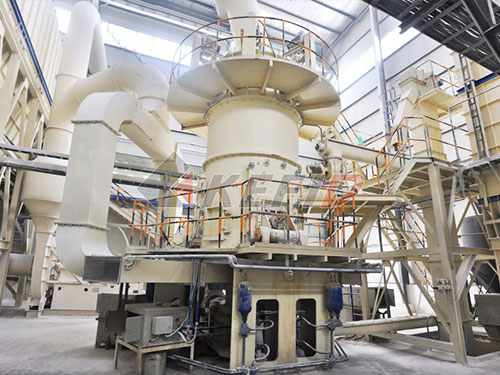
Quality Variability: Not all contract manufacturers are equal. Some may cut corners by using substandard steel, undersized motors, or poor welding techniques. This can lead to frequent breakdowns, reduced throughput, and safety hazards. A plant that is “cheap” upfront may become expensive due to downtime and repair costs.
Lack of After-Sales Support: Many cheap manufacturers have limited international service networks. If a critical component fails, you may face long delays in getting replacement parts or technical assistance. This is especially problematic for remote mining or quarry sites.
Hidden Costs: The quoted price often excludes shipping, customs duties, import taxes, installation supervision, and commissioning. When these are added, the total cost may approach that of a mid-range brand.
Compliance and Certification Issues: Some cheap plants may not meet local safety, environmental, or electrical codes. This can result in fines, project delays, or the need for expensive retrofits.
Wear Part Life: The manganese content and heat treatment of crusher liners from cheap manufacturers may be inferior, leading to faster wear and more frequent replacements. Over a 5-year period, the cost of replacement parts can exceed the initial savings.
How to Identify a Reliable Cheap Contract Manufacturer
To mitigate these risks, a systematic evaluation process is essential. Here are objective criteria to use:
Cost Comparison: Cheap vs. Premium – A Realistic Scenario
Consider a 150 TPH stationary crushing plant for hard rock (e.g., basalt). A cheap contract manufacturer from China might quote $250,000 FOB (Free on Board). A premium European brand might quote $800,000. However, the total cost of ownership over 5 years includes:
In this scenario, the cheap plant still saves $470,000, but the gap narrows if the cheap plant has higher wear part costs or more frequent breakdowns. If the cheap plant’s wear parts cost $200,000 over 5 years and downtime costs $80,000, the total becomes $580,000, still a saving but with more risk.
Conclusion: Is a Cheap Contract Manufacturer the Right Choice?
The answer depends on your specific business context. For a short-term project (1-2 years), a low-budget contractor, or a site with soft, non-abrasive material (e.g., limestone), a cheap stone crusher plant from a reputable contract manufacturer can be an excellent value. For a long-term, high-volume quarry processing hard, abrasive rock (e.g., granite, quartzite), the reliability and lower operating costs of a premium brand may justify the higher initial investment.
The key is to avoid the trap of “cheap” without due diligence. A truly cost-effective solution is one that balances initial price with long-term reliability, spare parts availability, and technical support. By carefully vetting contract manufacturers, negotiating clear terms, and investing in proper installation and maintenance, you can achieve a low-cost stone crusher plant that delivers consistent performance and a strong return on investment.
In summary, the phrase “stone crusher plant contract manufacturer cheap” is not a contradiction in terms—it is a viable procurement strategy when executed with professional rigor. The global market offers numerous capable manufacturers who can deliver affordable, functional, and durable equipment. The challenge lies not in finding a cheap plant, but in finding a cheap plant that is also reliable, safe, and supported. With the insights provided in this article, buyers can navigate this landscape with confidence and make decisions that align with both their budget and their operational goals.
If you have any questions about our products, please feel free to contact us. We take all inquiries and suggestions very seriously.