
Title: Comprehensive Analysis of Hammer Mill Processing Plant Prices: Factors, Trends, and Market Insights
Introduction
The hammer mill processing plant is a cornerstone of material size reduction across numerous industries, including agriculture, mining, biomass processing, waste management, and pharmaceuticals. As a versatile and robust machine, it is used to crush, grind, shred, or pulverize a wide variety of materials—from grains and wood chips to ores and recycled aggregates. Given its critical role in production lines, understanding the pricing structure of a hammer mill processing plant is essential for procurement managers, plant engineers, and investors. This article provides a detailed, professional, and objective analysis of the factors influencing the price of hammer mill processing plants, current market trends, price ranges for different configurations, and key considerations for buyers.
1. Overview of Hammer Mill Processing Plants
A hammer mill processing plant typically consists of a feeding system, a grinding chamber with rotating hammers, a screen or grate for particle size control, a discharge system, and often an integrated dust collection or aspiration system. The “plant” designation implies a more comprehensive setup than a standalone mill, often including conveyors, pre-cleaners, magnetic separators, control panels, and sometimes post-processing equipment like pellet mills or classifiers. Prices for such plants vary dramatically based on capacity, material of construction, automation level, and intended application.
2. Key Factors Influencing Hammer Mill Processing Plant Prices
2.1. Capacity and Throughput
The single most significant price determinant is the processing capacity, typically measured in tons per hour (TPH). Small-scale units handling 0.5–2 TPH may cost between $5,000 and $30,000. Medium-capacity plants (5–20 TPH) range from $50,000 to $200,000. Large industrial plants (50–100+ TPH) can exceed $500,000, with some custom-engineered systems reaching $1–3 million. Higher capacity requires larger motors (e.g., 100–500 kW), heavier-duty rotors, and more robust structural frames, all of which increase material and manufacturing costs.
2.2. Material of Construction and Wear Resistance
The materials used in the grinding chamber, hammers, and screens directly affect durability and price. Carbon steel is standard for general-purpose applications, while stainless steel (304 or 316) is required for food, pharmaceutical, or corrosive material processing, adding 30–50% to the cost. Hardfaced or tungsten carbide-coated hammers and screens increase wear life but also raise initial investment. For abrasive materials like minerals or glass, ceramic-lined chambers or specialized alloy steels are necessary, further elevating prices.
2.3. Motor Power and Drive System
Electric motors are the primary power source. A 50 HP motor might cost $5,000–$10,000, while a 500 HP motor can exceed $50,000. Variable frequency drives (VFDs) for speed control add $5,000–$20,000 depending on power rating. Direct drive systems are simpler and cheaper, but belt-driven systems offer flexibility and lower initial cost for some applications. Diesel or PTO-driven units for remote locations also command a premium.
2.4. Automation and Control Systems
Basic hammer mills have manual controls (start/stop, speed adjustment). Modern processing plants integrate PLC-based automation, touchscreen HMI, remote monitoring, and automatic load control. Such systems improve efficiency and safety but add $10,000–$100,000 to the total price. Advanced features like real-time particle size analysis, vibration monitoring, and automated screen changers are available in high-end plants.
2.5. Ancillary Equipment and Integration
A complete processing plant often includes:
Each component adds cost. For example, a high-efficiency baghouse dust collector for a 10 TPH plant can cost $15,000–$40,000. A complete turnkey installation may be 1.5–3 times the cost of the mill alone.
2.6. Manufacturer Reputation and Origin
Prices vary significantly by manufacturer and country of origin. Chinese and Indian manufacturers offer lower-cost options (often 30–50% less than Western equivalents), but may compromise on build quality, safety certifications, and after-sales support. European (e.g., German, Italian) and North American (e.g., US, Canadian) manufacturers command premium prices due to higher engineering standards, compliance with CE/UL/ATEX certifications, and longer service life. Brand reputation also affects resale value.
2.7. Customization and Application-Specific Design
Standard off-the-shelf plants are cheaper, but many applications require customization. For example: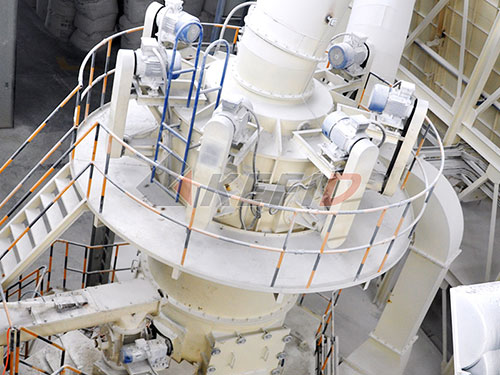
2.8. Regulatory Compliance and Safety Features
Plants operating in explosive environments (e.g., grain dust, coal, wood) must meet ATEX or NFPA standards, requiring explosion-proof motors, venting panels, and suppression systems. These safety features add 10–30% to the cost. Similarly, environmental regulations on noise and dust emissions may necessitate additional investment in soundproofing and filtration.
3. Current Market Price Ranges (2024–2025 Estimates)
The following are approximate price ranges for hammer mill processing plants based on industry data and supplier quotations:
| Plant Type | Capacity (TPH) | Price Range (USD) | Typical Applications |
|---|---|---|---|
| Small laboratory/pilot | 0.1–0.5 | $3,000–$15,000 | R&D, small batch processing |
| Small-scale agricultural | 1–5 | $10,000–$50,000 | Animal feed, grain milling |
| Medium industrial | 5–20 | $50,000–$250,000 | Biomass, wood processing, recycling |
| Large industrial | 20–50 | $250,000–$800,000 | Mining, mineral processing, large feed mills |
| Heavy-duty mining | 50–150 | $800,000–$3,000,000 | Ore crushing, aggregate production |
| Custom turnkey plant | Variable | $500,000–$5,000,000+ | Integrated systems with multiple stages |
Note: Prices are for new equipment and exclude installation, shipping, taxes, and training. Used or refurbished plants can be 30–60% cheaper but may have shorter lifespans and higher maintenance costs.
4. Cost Breakdown for a Typical Medium-Scale Plant (10 TPH)
To illustrate, consider a 10 TPH hammer mill processing plant for biomass (e.g., wood chips to sawdust):
If stainless steel construction is required, add 40% ($67,600), bringing the total to ~$236,600. Adding ATEX compliance could add another $20,000–$30,000.
5. Total Cost of Ownership (TCO) Considerations
Beyond the initial purchase price, buyers must evaluate long-term costs:
6. Regional Price Variations
7. How to Get Accurate Price Quotes
To obtain meaningful price comparisons, buyers should provide suppliers with:
Requesting a detailed quotation with itemized costs for the mill, ancillaries, shipping, and installation is essential. Visiting the manufacturer’s facility or requesting references from similar installations can validate quality claims.
8. Market Trends Affecting Prices
9. Conclusion
The price of a hammer mill processing plant is not a single figure but a complex function of capacity, material quality, automation, and application-specific requirements. While small units can be acquired for under $10,000, large industrial turnkey plants may exceed $3 million. Buyers must balance initial capital expenditure with total cost of ownership, including energy, maintenance, and downtime. Engaging with reputable manufacturers, providing detailed specifications, and considering long-term operational needs are critical to making an informed investment. As global demand for processed materials grows—driven by biomass energy, recycling, and mineral processing—the hammer mill processing plant remains a vital asset, with prices reflecting its indispensable role in modern industry.
If you have any questions about our products, please feel free to contact us. We take all inquiries and suggestions very seriously.