Certified 250–300 TPH Stone Crushing Plant: Comprehensive Datasheet and Technical Overview
Introduction
In the modern aggregate and mining industry, the demand for high-capacity, reliable, and environmentally compliant stone crushing plants has never been greater. A certified 250–300 tons per hour (TPH) stone crushing plant represents a mid-to-high capacity solution, ideally suited for large-scale infrastructure projects, commercial quarries, and contract crushing operations. This article provides a detailed, professional, and objective datasheet and technical analysis of such a plant, covering its core components, design philosophy, operational parameters, certification standards, and performance metrics. The information presented is based on industry-standard configurations from leading global manufacturers, including Metso, Sandvik, Thyssenkrupp, and Chinese OEMs such as SBM, Liming, and Zhengzhou Yifan.
1. Plant Overview and Capacity Definition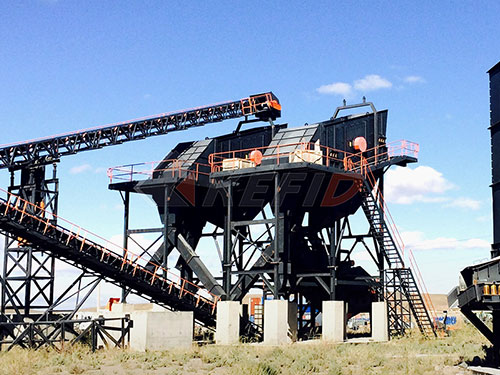
A 250–300 TPH stone crushing plant is designed to process hard rock, limestone, granite, basalt, river gravel, and other natural stones into multiple grades of aggregates (e.g., 0–5 mm, 5–10 mm, 10–20 mm, 20–40 mm) and manufactured sand. The certified designation implies that the plant meets specific international standards for safety, structural integrity, electrical compliance, and environmental emissions. Typical certifications include CE (European Conformity), ISO 9001 (Quality Management), ISO 14001 (Environmental Management), and OHSAS 18001 (Occupational Health and Safety).
The plant’s throughput is rated at 250–300 metric tons per hour under normal operating conditions, assuming a feed material with a bulk density of 1.6 tons per cubic meter and a compressive strength of up to 300 MPa. Actual output may vary based on feed gradation, moisture content, and crusher settings.
2. Core Equipment and Configuration
A standard 250–300 TPH plant is typically configured as a three-stage crushing circuit: primary, secondary, and tertiary. The following is a detailed breakdown of each major component.
2.1 Primary Crushing Unit
- Equipment: Vibrating Grizzly Feeder (e.g., ZSW-490×130) + Jaw Crusher (e.g., PE-900×1200 or C106)
- Feed Size: Up to 750–800 mm (depending on jaw crusher opening)
- Capacity: 250–350 TPH (primary stage)
- Function: The vibrating grizzly feeder removes fines and soil (< 40 mm) via a grizzly section, reducing wear on the jaw crusher. The jaw crusher reduces rock to 150–200 mm.
- Power: 110–132 kW (electric motor)
- Weight: Approx. 25–30 tons (jaw crusher only)
2.2 Secondary Crushing Unit
- Equipment: Cone Crusher (e.g., CS160, HPC220, or GP300S) or Impact Crusher (PF-1315 or PF-1520) for softer materials
- Feed Size: 150–200 mm
- Output Size: 40–80 mm
- Capacity: 150–250 TPH
- Function: The secondary crusher further reduces material to a size suitable for tertiary crushing or final product. Cone crushers are preferred for hard, abrasive rock; impact crushers are used for limestone or recycled concrete.
- Power: 160–250 kW
- Closed Side Setting (CSS): Typically 25–50 mm
2.3 Tertiary Crushing and Screening Unit
- Equipment: Vertical Shaft Impact (VSI) Crusher (e.g., Barmac B7150 or VSI5X-1145) or High-Efficiency Cone Crusher (e.g., HPT300)
- Feed Size: 40–80 mm
- Output Size: 0–40 mm (adjustable)
- Capacity: 100–200 TPH
- Function: The tertiary crusher produces fine aggregates and manufactured sand. VSI crushers are essential for shaping and cubicity.
- Power: 200–315 kW
2.4 Screening and Conveying System
- Primary Screen: 2-layer or 3-layer vibrating screen (e.g., 3YK-2460 or 4YK-2460) with a screening area of 14.4 m² per deck
- Secondary Screen: 2-layer vibrating screen for final product separation
- Conveyors: Belt conveyors with widths of 800–1200 mm, lengths up to 30 m, and rubber belt thickness of 10–12 mm
- Control System: PLC-based centralized control with remote monitoring, overload protection, and automatic start/stop sequencing
3. Electrical and Control Specifications
- Total Installed Power: 600–800 kW (depending on crusher types and conveyor lengths)
- Voltage: 380V/50Hz (standard), 440V/60Hz (optional), or 6.6 kV for large motors
- Control Panel: IP54 rated, with VFDs (Variable Frequency Drives) for feeders and conveyors
- Certification: CE, UL, or CCC (China Compulsory Certification) as per regional requirements
- Emergency Stop System: Redundant E-stop buttons at all operator stations and along conveyors
4. Structural and Mechanical Design
- Foundation: Reinforced concrete with vibration dampening pads; total foundation weight approx. 150–200 tons
- Steel Structure: Heavy-duty H-beam and channel steel, hot-dip galvanized or painted with epoxy anti-corrosion coating
- Wear Parts: High manganese steel (Mn13Cr2) for jaw plates, high-chrome iron for impact bars, and tungsten carbide for VSI rotor tips
- Lubrication: Centralized grease lubrication system for bearings; oil circulation system for cone crushers
- Noise Level: ≤ 85 dB(A) at 1 meter (with acoustic enclosures optional)
5. Environmental and Safety Compliance
A certified 250–300 TPH plant must adhere to stringent environmental regulations:
- Dust Control: Wet suppression system (spray nozzles at transfer points and crusher inlets) or dry baghouse filter (e.g., pulse-jet dust collector with 96 bags, filtration area 200 m²)
- Noise Control: Acoustic enclosures for crushers and screens; rubber liners for chutes
- Wastewater: Closed-loop water recycling system for wet suppression; zero discharge design
- Safety Guards: All moving parts (belts, pulleys, flywheels) are enclosed with mesh guards; interlock switches prevent operation when guards are open
- Fire Protection: Fire extinguishers and automatic sprinkler system in electrical room
6. Operational Parameters and Performance Metrics
- Availability: ≥ 95% (under proper maintenance)
- Crushing Ratio: 1:6 to 1:8 (primary), 1:4 to 1:6 (secondary), 1:3 to 1:5 (tertiary)
- Product Shape: Cubicity index > 85% (with VSI), flakiness index < 15%
- Power Consumption: 0.8–1.2 kWh per ton of crushed material (depending on rock hardness)
- Wear Parts Life: 200–400 hours for jaw plates (granite), 500–800 hours for cone liners, 100–200 hours for VSI rotor tips
- Maintenance Interval: Daily lubrication and inspection; weekly screen mesh replacement; monthly crusher liner change
7. Certification and Quality Assurance
To be marketed as “certified,” the plant must undergo rigorous testing and documentation:
- CE Marking: Conformity with EU Machinery Directive 2006/42/EC, including risk assessment, technical file, and EC declaration of conformity
- ISO 9001:2015: Quality management system covering design, procurement, manufacturing, and after-sales service
- ISO 14001:2015: Environmental management system with waste reduction and energy efficiency targets
- OHSAS 18001/ISO 45001: Occupational health and safety management, including hazard identification and emergency response
- ASTM / BS / EN Standards: Aggregate testing for gradation, abrasion (Los Angeles), and soundness (sodium sulfate)
8. Typical Applications and End-Products
- Road Construction: Base course (0–40 mm), sub-base (20–40 mm), asphalt aggregates (5–20 mm)
- Concrete Production: Coarse aggregates (10–20 mm, 20–40 mm) and manufactured sand (0–5 mm)
- Railway Ballast: 40–70 mm (with specific gradation requirements)
- Hydraulic Engineering: Riprap and filter materials
- Recycling: Crushed concrete and asphalt (with impact crusher configuration)
9. Logistics and Installation
- Shipping: 3–5 standard 40-foot containers (depending on configuration) or 2–3 flat racks for heavy crushers
- Installation Time: 30–45 days (including foundation curing, structural assembly, and commissioning)
- Crew Requirement: 1 project manager, 2 mechanical engineers, 2 electricians, 6–10 local workers
- Site Requirements: Minimum area of 50m x 80m; access road for dump trucks; 3-phase power supply; water source for dust suppression
10. Cost and Economic Considerations
- Capital Cost (CAPEX): USD 800,000 to USD 1,500,000 (depending on brand, automation level, and spare parts package)
- Operating Cost (OPEX): USD 2.50–4.00 per ton (including electricity, wear parts, labor, and maintenance)
- Payback Period: 2–4 years (assuming 250 TPH operation, 8 hours/day, 250 days/year, and aggregate selling price of USD 10–15/ton)
- Financing Options: Leasing, bank loans, or manufacturer financing (subject to credit approval)
11. Maintenance and Support
- Warranty: 12–24 months (or 2000 operating hours, whichever comes first)
- Spare Parts Availability: Critical parts (jaw plates, cone liners, bearings, belts) stocked at regional warehouses; lead time 7–14 days
- Technical Support: Remote diagnostics via IoT sensors; on-site service within 48 hours (for major markets)
- Training: 5-day operator training at factory; 3-day on-site commissioning training
12. Conclusion
A certified 250–300 TPH stone crushing plant is a sophisticated, high-capacity system that balances productivity, durability, and environmental responsibility. Its modular design allows for customization based on rock type, product specifications, and site constraints. The certification process ensures that the plant meets global safety, quality, and environmental standards, making it a reliable investment for large-scale aggregate producers. When selecting such a plant, buyers should prioritize reputable manufacturers with proven track records, comprehensive after-sales support, and transparent certification documentation. Properly maintained, this plant can deliver consistent, high-quality aggregates for decades, forming the backbone of infrastructure development worldwide.
Disclaimer: The specifications and data provided in this article are for general informational purposes only. Actual plant configurations, capacities, and certifications may vary by manufacturer and specific project requirements. Always consult with the equipment supplier for detailed technical datasheets and compliance documentation.
