
Stone Crusher Machine Dealers: Specifications, Selection Criteria, and Market Overview
Introduction
Stone crusher machines are indispensable assets in the construction, mining, quarrying, and recycling industries. They transform large rocks, concrete, and other hard materials into smaller, usable aggregates. For any operation, the choice of a reliable dealer and the correct machine specification directly impacts productivity, operational cost, and project timelines. This article provides a comprehensive, objective overview of stone crusher machine dealers, the key specifications they offer, and the factors that buyers must consider when engaging with dealers. It is intended for procurement managers, project engineers, and business owners seeking factual guidance.
The Role of Stone Crusher Machine Dealers
A stone crusher machine dealer acts as an intermediary between manufacturers and end-users. Dealers typically provide not only the equipment but also after-sales support, spare parts, technical consultation, and sometimes financing options. Unlike direct manufacturer sales, dealers often carry multiple brands, allowing customers to compare specifications across different product lines. A reputable dealer maintains a portfolio that includes jaw crushers, cone crushers, impact crushers, hammer crushers, and mobile crushing plants. The dealer’s technical knowledge is critical because crusher selection depends on feed size, desired output, material hardness, and site conditions.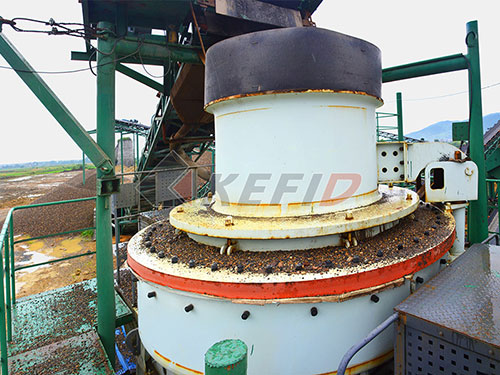
Key Specifications of Stone Crusher Machines
When evaluating a dealer’s offerings, buyers should examine the following specifications. These are standard parameters across most crusher types.
Capacity (TPH – Tons Per Hour): This is the primary specification. Dealers should provide capacity ranges based on material type and closed-side settings. For example, a jaw crusher might be rated at 50–200 TPH, while a cone crusher could range from 100–500 TPH. Capacity is not a fixed number; it varies with feed gradation, moisture content, and hardness.
Maximum Feed Size (mm): This defines the largest rock the crusher can accept. A typical primary jaw crusher accepts feed sizes from 400 mm to 1,200 mm. Secondary crushers, such as cone or impact crushers, usually require smaller feed sizes, often below 300 mm.
Output Size / Product Gradation: Dealers must specify the adjustable range of the discharge opening (CSS – Closed Side Setting). For aggregates, common output sizes include 0–5 mm, 5–10 mm, 10–20 mm, and 20–40 mm. The dealer should provide gradation curves to confirm the percentage of fines and oversize material.
Motor Power (kW): This indicates the crusher’s drive requirement. Higher power generally correlates with higher capacity and harder material handling. For instance, a large gyratory crusher may use 300–500 kW, while a small hammer crusher may use 30–75 kW.
Crushing Chamber Type: Dealers should explain whether the machine uses a standard, short-head, or fine chamber. For cone crushers, the chamber profile affects throughput and product shape. For impact crushers, the rotor diameter and number of blow bars are critical.
Weight and Dimensions: Transport and installation constraints require exact figures. Mobile crushers, for example, have transport weights from 20 to 80 tons. Stationary crushers may weigh over 100 tons. Dealers must supply dimensioned drawings.
Material of Construction: Wear parts (jaw plates, mantle, blow bars) are typically made of high manganese steel, chrome alloy, or ceramic composites. The dealer should specify the wear life in hours under given conditions.
Drive Type: Direct drive, belt drive, or hydraulic drive. Hydraulic drives offer variable speed and overload protection, which is common in modern cone crushers.
Control System: PLC-based automation, remote monitoring, and automatic setting adjustment are increasingly standard. Dealers should clarify whether these features are included or optional.
Dealer-Specific Specification Sheets
A professional dealer will provide a specification sheet for each model. This sheet should include the following columns: Model, Type, Capacity (TPH), Max Feed Size (mm), Output Size Range (mm), Motor Power (kW), Weight (kg), and Dimensions (L×W×H). Additionally, the dealer should list optional equipment such as feeders, screens, conveyors, and dust suppression systems. For mobile units, the dealer must specify the chassis type (wheeled or tracked), travel speed, and gradeability.
Selection Criteria for Choosing a Dealer
Specifications alone do not guarantee a successful purchase. Buyers should evaluate dealers based on:
Common Dealer Misrepresentations to Avoid
Some dealers may overstate capacity or understate power requirements. For example, a jaw crusher rated at 200 TPH may only achieve 150 TPH with hard basalt. Buyers should insist on performance guarantees or test runs. Another issue is the use of non-original wear parts, which can reduce output and damage the crusher. A trustworthy dealer will specify OEM parts and provide traceability.
Market Trends Affecting Dealer Specifications
The stone crusher market is shifting toward electric-powered and hybrid mobile crushers to reduce emissions. Dealers are increasingly offering telematics – remote monitoring of hours, fuel consumption, and fault codes. Also, modular crushers that can be reconfigured for different stages (primary, secondary, tertiary) are gaining popularity. Buyers should ask dealers about upgrade paths and compatibility with future automation.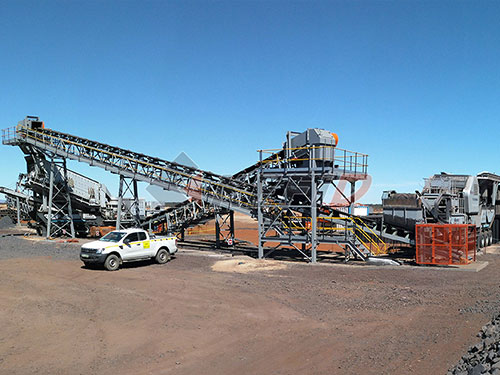
Conclusion
Stone crusher machine dealers play a pivotal role in matching equipment specifications to operational needs. A detailed specification sheet – covering capacity, feed size, output gradation, power, weight, and wear parts – is the foundation of an informed purchase. However, specifications must be validated through dealer reputation, after-sales support, and total cost analysis. By demanding transparent, objective data and avoiding exaggerated claims, buyers can secure a crusher that delivers reliable performance for years. For any procurement team, the rule is simple: no specification, no purchase. A professional dealer will welcome that standard.
If you have any questions about our products, please feel free to contact us. We take all inquiries and suggestions very seriously.