
The global trade of heavy industrial equipment, such as impact crushers, is a cornerstone of modern mining, aggregate, and construction industries. Importing these high-value machines offers access to advanced technology and competitive pricing. However, the complexity and critical role of impact crushers in production lines make a rigorous, multi-stage inspection process not just advisable but essential. A failure post-delivery can lead to catastrophic downtime, safety hazards, and financial losses far exceeding the cost of the inspection itself. This detailed guide outlines the professional and objective inspection protocols for import impact crushers, covering pre-shipment, during-shipment, and post-delivery phases.
The most effective risk mitigation occurs at the source. A Pre-Shipment Inspection at the manufacturer’s facility is the first and most crucial line of defense.
A. Documentation Review (The Paper Trail):
B. Physical & Dimensional Inspection:
C. Functional Test Run (FAT – Factory Acceptance Test):
Whenever possible, witness a no-load test run at the factory.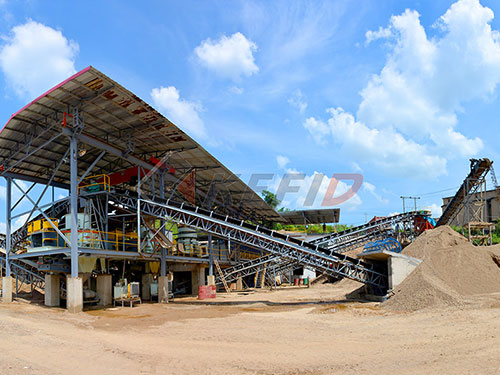
Impact crushers are often shipped knocked-down (KD) or fully assembled on flat racks.
This occurs upon arrival at the destination port or final site before signing off acceptance.
A. Receiving & Unloading: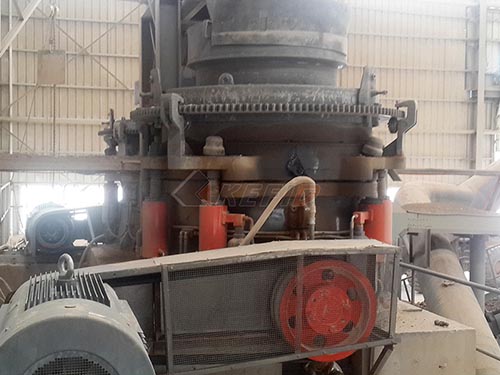
B. Detailed Re-Assembly Verification:
For KD shipments re-assembly is critical:
C Commissioning Load Test The Ultimate Proof
The final validation is a controlled load test with actual material
Monitor
Power Draw Using clamp meters ensure it’s within motor rated capacity not consistently overloaded
Product Gradation Sieve analysis confirms machine produces desired output size distribution
Throughput Measure tonnage per hour against contracted capacity considering material characteristics
Dust Emission Observe sealing effectiveness; excessive dust indicates seal wear or poor fit
System Integration Ensure crusher interfaces correctly with feed conveyors discharge belts dust collection systems
Professional inspectors pay particular attention to known failure points
1 Substandard Wear Materials Blow bars wearing out 3x faster than promised due inferior metallurgy Chemical analysis may be needed if fraud suspected
2 Rotor Integrity Undetected casting porosity in discs imbalance from manufacturing tolerances These cause catastrophic failures
3 Bearing Installation Improper fitting leading false brinelling during transport or incorrect lubrication Catastrophic bearing seizure often follows
4 Welding Defects Cracks in high stress areas like housing corners apron pivot points from poor welding procedure execution
An import impact crusher represents an investment often ranging from hundreds of thousands to millions USD The cost comprehensive third party inspection typically ranges only 0 2% 0 5% total equipment value This negligible upfront expense safeguards against risks that could incur costs orders magnitude higher including
Production downtime losses at thousands per hour Unscheduled repair replacement part costs especially if warranty claim disputed due improper installation Safety incidents from structural failures Long term reduced asset life lower resale value
Therefore adopting systematic professional inspection regimen covering documentation physical condition functional performance across pre shipment during shipment post delivery stages isn’t merely procedural box ticking It fundamental practice prudent risk management ensuring imported impact crusher arrives as reliable productive asset ready deliver expected return investment over its operational lifespan In global trade where buyer seller separated by distance language legal systems objective inspection provides indispensable clarity security
If you have any questions about our products, please feel free to contact us. We take all inquiries and suggestions very seriously.