
In the global industrial ecosystem, few processes are as fundamental as the transformation of raw iron ore into the refined materials that feed the world’s steel mills. A Certified Iron Ore Crushing and Processing Plant represents the pinnacle of this transformation—a facility where engineering excellence, stringent quality control, operational efficiency, and environmental stewardship converge. More than just a series of machines, such a plant is a meticulously designed and audited system ensuring the consistent production of high-grade iron ore products essential for competitive steelmaking. This article delves into the detailed processes, critical components, certification significance, and technological advancements that define these certified industrial complexes.
The journey within a certified plant follows a logical, multi-stage progression designed to liberate iron minerals from waste rock (gangue) and prepare a precise product.
a) Primary Crushing: Run-of-Mine (ROM) ore, which can consist of boulders up to 1.5 meters in diameter, is first reduced in large primary crushers—typically gyratory or jaw crushers. Located often near the mine pit for logistical efficiency, this stage achieves an initial size reduction to approximately 150-250 mm. Robustness and reliability are paramount here.
b) Secondary and Tertiary Crushing: The ore is then conveyed to secondary (cone crushers) and tertiary (cone or high-pressure grinding rolls) crushing circuits. In closed-circuit systems with vibrating screens, oversized material is continuously recirculated until it meets the target size, typically below 30 mm. This staged comminution is energy-intensive but critical for achieving optimal liberation of iron oxides without excessive fine generation.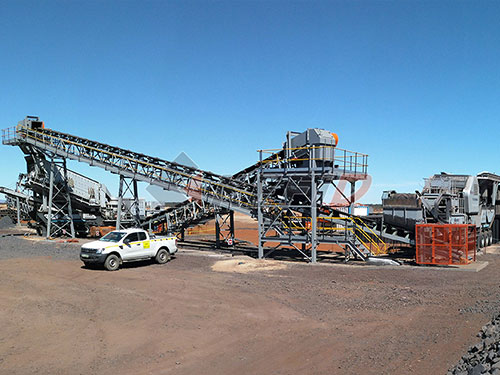
c) Screening and Classification: Throughout the crushing stages, screening segregates material by size. Coarse fractions are re-routed for further crushing, while correctly sized material proceeds to beneficiation. Fine ore may bypass certain stages or be processed separately.
d) Beneficiation – The Heart of Processing: This stage upgrades the iron content (Fe%). The most common method for hematite/magnetite ores is magnetic separation. Powerful drums or rolls with permanent or electromagnets capture magnetic particles (magnetite). For hematite or other non-magnetic ores, gravity separation (using spirals or jigs) or flotation (using chemical reagents) are employed. The goal is to maximize Fe recovery while rejecting silica, alumina, and phosphorus.
e) Grinding (for Concentrate Production): To achieve the fine particle size required for pellet feed (often -45 microns), crushed and beneficiated ore undergoes grinding in ball mills or stirred media mills operating in closed circuit with hydrocyclones.
f) Dewatering & Product Handling: The final concentrate slurry is thickened in large clarifiers and filtered using disc or drum filters to create a damp cake. For direct shipping ore (DSO), simple washing and screening may suffice. The final product—either high-grade concentrate (~65-67% Fe), pellets, or lump/sinter feed—is then transported via conveyor to stockpiles for rail or ship loading.
A “certified” plant transcends mere functionality. Certification implies adherence to internationally recognized standards verified by independent audits. Key frameworks include ISO 9001 (Quality Management), ISO 14001 (Environmental Management), and ISO 45001 (Occupational Health & Safety). For plant engineering and performance, certifications may involve:
A certified plant provides stakeholders—investors, regulators, and off-takers—with quantifiable assurance of operational discipline, risk mitigation, product quality traceability, and responsible resource management.
Modern certified plants are hubs of advanced technology:
The business case for certification is compelling:
Operating at such a level presents ongoing challenges: managing increasingly complex ores with finer grain structures requiring more energy-intensive processing; fluctuating global iron ore prices demanding relentless cost optimization; water scarcity driving zero-liquid-discharge initiatives.
The future lies in further digitization through:
A Certified Iron Ore Crushing Plant Processing Plant stands as a testament to modern extractive metallurgy’s sophistication It represents deliberate choice prioritize long-term value operational integrity over short-term extraction By integrating best-in-class technology rigorous management systems unwavering commitment safety sustainability these facilities do more than just process rock They transform variable natural resource into predictable high-performance industrial commodity underpinning global infrastructure development As demands steel industry evolve towards greener production methods role certified reliable supplier premium raw materials will only become more central making these plants not just certified but indeed indispensable
If you have any questions about our products, please feel free to contact us. We take all inquiries and suggestions very seriously.