Title: Sourcing Cost-Effective Crushing Solutions: A Guide to Affordable Stone Crusher Machine Dealers
Introduction
In the construction, mining, and aggregate industries, the demand for processed stone, gravel, and sand is insatiable. Whether for road base, concrete production, or landscaping, the ability to process raw materials on-site or at a centralized facility is critical. However, for small to medium-sized enterprises (SMEs) and startups, the capital expenditure required for heavy machinery can be a significant barrier to entry. This is where the role of the affordable stone crusher machine dealer becomes pivotal. These dealers bridge the gap between high-end industrial equipment and budget-conscious buyers, offering a range of solutions that balance cost, durability, and output. This article provides a comprehensive overview of the affordable stone crusher market, the types of machinery available, key considerations for buyers, and how to identify a reputable dealer.
The Landscape of Affordable Crushing Equipment
The term “affordable” in the context of industrial machinery is relative. For a multinational mining corporation, a $500,000 primary jaw crusher is a standard investment. For a small-scale contractor, that same price tag is prohibitive. Therefore, an affordable stone crusher machine dealer typically specializes in three categories of equipment:
- New Budget-Friendly Models: These are machines manufactured by reputable brands but designed with fewer “bells and whistles.” They may lack advanced telematics or automated hydraulic systems but possess the core mechanical integrity required for crushing. Many Chinese and Indian manufacturers have entered the global market with highly competitive pricing, forcing traditional Western brands to offer more economical lines.
- Refurbished or Reconditioned Units: A reputable dealer often acquires used machinery, strips it down to the frame, replaces worn bearings, belts, and jaw plates, and re-certifies the machine. A refurbished crusher can cost 30–50% less than a new unit while offering nearly identical performance for several years.
- Used Equipment: The used market is vast. Dealers who specialize in affordable options often source machines from completed projects or rental fleets. While riskier than buying new, a thorough inspection by a dealer can mitigate many issues.
Types of Stone Crushers and Their Cost Dynamics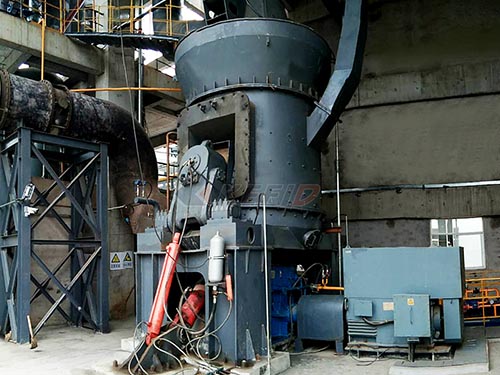
To understand affordability, one must first understand the different types of crushers and their respective price points.
- Jaw Crushers: The most common primary crusher. They work by compressing rock between a fixed and a moving jaw. Affordable models are typically smaller (e.g., 10″ x 16″ to 24″ x 36″) and can be powered by diesel or electric motors. A budget jaw crusher from a dealer might range from $5,000 to $50,000, depending on capacity and build quality.
- Impact Crushers: These use high-speed rotors to strike rock. They are excellent for softer materials like limestone and recycling concrete. Affordable horizontal shaft impactors (HSIs) are available, but vertical shaft impactors (VSIs) for sand production tend to be pricier. A used or budget HSI can be found for $20,000–$80,000.
- Cone Crushers: Used for secondary and tertiary crushing of hard rock. They are more complex and thus more expensive. Affordable cone crushers are often older models (e.g., Symons-style) or smaller units from emerging manufacturers, ranging from $30,000 to $100,000.
- Hammer Mills and Roll Crushers: These are niche, lower-cost options for specific applications like crushing coal or soft limestone. They can be acquired for under $10,000 in some cases.
An affordable dealer will help you match the crusher type to your material hardness, desired output size, and production volume, ensuring you don’t overpay for capacity you don’t need.
Key Factors That Determine Affordability
When evaluating a dealer’s offer, consider these cost drivers:
- Manufacturing Origin: Machines from China, Turkey, and India generally cost less than those from the USA, Germany, or Japan. However, quality varies widely. A good dealer will only stock brands with proven track records.
- Capacity (TPH): The throughput in tons per hour is the primary price determinant. A 10 TPH crusher is far cheaper than a 200 TPH one.
- Power Source: Diesel-powered units are more expensive to buy and operate than electric ones, but they offer mobility. Electric crushers are cheaper upfront but require a power supply.
- Mobility: A stationary crusher is the most affordable. Portable (wheel-mounted) or tracked crushers add significant cost due to the undercarriage and hydraulics.
- After-Sales Support: A dealer who offers cheap parts and local service can save you thousands over the machine’s life. Conversely, a low purchase price with expensive imported parts is a false economy.
The Role of the Affordable Dealer
A reputable affordable stone crusher machine dealer does more than just sell boxes of metal. They act as consultants, mechanics, and supply chain managers. Their value proposition includes:
- Honest Needs Assessment: They will not upsell you to a 500 TPH plant if you only need 50 TPH. They understand that overcapitalizing is a leading cause of business failure.
- Transparent Condition Reports: For used equipment, they provide detailed inspection reports, including hours of operation, wear part life, and any known defects.
- Flexible Financing: Many affordable dealers partner with equipment finance companies to offer lease-to-own or low-interest loans. This preserves your working capital.
- Parts and Service Network: They stock high-wear parts (jaw plates, blow bars, liners) at competitive prices and can dispatch technicians for repairs.
- Trade-In Programs: Some dealers accept your old, broken equipment as partial payment, further reducing the net cost.
How to Identify a Trustworthy Affordable Dealer
The market has its share of unscrupulous sellers who peddle worn-out junk. To protect yourself:
- Check References: Ask for contact information of previous buyers, especially those who purchased similar machines.
- Inspect in Person: Never buy a crusher sight unseen. Visit the dealer’s yard. Look for cracks in the main frame, leaks in hydraulic systems, and excessive play in bearings.
- Demand a Test Run: A good dealer will let you feed sample material through the crusher. Listen for unusual noises and check the output gradation.
- Verify Warranty: Even on used equipment, a 30–90 day warranty on major components is a sign of confidence.
- Review the Fine Print: Understand what is included (delivery, installation, training) and what is not.
- Online Presence: Websites like MachineryTrader, Alibaba, and local classifieds can help you compare prices, but always cross-reference with the dealer’s physical location and business license.
Cost-Saving Strategies Beyond the Purchase Price
Even with an affordable dealer, the total cost of ownership (TCO) matters. Consider:
- Energy Efficiency: Electric motors are cheaper to run than diesel. If you have access to grid power, choose electric.
- Wear Part Longevity: Invest in manganese steel jaw plates or ceramic blow bars. They cost more upfront but last 2–3 times longer.
- Preventive Maintenance: A dealer who offers maintenance kits and training can help you avoid catastrophic failures.
- Redundancy: Instead of one large crusher, two smaller affordable units can provide backup and reduce downtime risk.
Case Study: A Small Aggregate Producer
Consider a family-owned aggregate business in a developing country. They needed to crush 30 TPH of limestone for local road projects. A new European jaw crusher quoted at $120,000 was out of reach. They contacted an affordable dealer who offered a refurbished Chinese-made PE 400×600 jaw crusher for $18,000. The dealer replaced the bearings, installed new jaw plates, and provided a 6-month warranty. The business also bought a used vibrating screen for $5,000. Total investment: $23,000. Within 14 months, the equipment paid for itself. The dealer now supplies their wear parts and has become a long-term partner.
Conclusion
The pursuit of an affordable stone crusher machine dealer is not about finding the cheapest possible price. It is about maximizing value—getting a machine that meets your production requirements, operates reliably, and can be maintained without breaking the bank. By understanding the different types of crushers, the factors that drive cost, and the hallmarks of a trustworthy dealer, you can make an informed decision. Whether you are a startup contractor or an established quarry looking to add a secondary line, the right dealer can turn a daunting capital expense into a strategic, profitable investment. Always prioritize transparency, after-sales support, and total cost of ownership over the lowest sticker price. In the crushing industry, as in life, you often get what you pay for—but with careful research, you can get much more than you pay for.
