Commercial 250-300 TPH Stone Crushing Plant Producers: A Comprehensive Analysis of Global Leaders, Technology, and Market Dynamics
Introduction
The global construction and infrastructure development sectors are the primary drivers of demand for crushed stone aggregates. Among the various capacities available in the market, the 250-300 tons per hour (TPH) stone crushing plant occupies a strategic niche. This capacity range is particularly attractive for medium-to-large scale commercial operations, such as regional road construction, concrete batching plants, and large-scale building projects. It offers a balance between capital expenditure, operational efficiency, and output volume. This article provides a detailed, professional, and objective analysis of the commercial producers of 250-300 TPH stone crushing plants. It will cover the leading manufacturers, their core technologies, key equipment configurations, market trends, and critical factors for procurement.
1. The Significance of the 250-300 TPH Capacity Range
A 250-300 TPH plant is not a small-scale operation. It represents a significant investment, typically ranging from USD 2 million to USD 5 million or more, depending on the level of automation, brand, and geographic location. This capacity is ideal for:
- Large Quarries: Operators with substantial mineral reserves who need consistent, high-volume output.
- Contract Crushing: Companies that undertake large, time-bound infrastructure projects (e.g., highways, dams, airports).
- Integrated Operations: Construction firms that own quarries and require a steady supply of multiple aggregate sizes for their own concrete and asphalt plants.
The efficiency of a 250-300 TPH plant directly impacts the profitability of these operations. Therefore, choosing the right producer is a critical business decision.
2. Global Leaders in 250-300 TPH Plant Manufacturing
The market for this capacity range is dominated by a mix of established multinational corporations and specialized regional players. Each has distinct strengths in terms of technology, durability, and after-sales support.
2.1. Metso Outotec (Finland/Sweden)
Metso Outotec is a global leader in minerals processing. Their 250-300 TPH solutions are typically built around their renowned Nordberg® series of crushers.
- Technology: They emphasize the Lokotrack® mobile and Nordtrack™ mobile plants, but for stationary commercial operations, they offer modular and custom-designed plants. Their core technology includes the HP Series™ cone crushers (for secondary/tertiary crushing) and C Series™ jaw crushers (for primary crushing).
- Key Strengths: Unmatched reliability, high reduction ratios, excellent cubicity of final product, and a global service network. Their plants are often the benchmark for performance.
- Typical Configuration: A primary jaw crusher (e.g., Nordberg C130) feeding into a secondary cone crusher (e.g., HP400) and a tertiary cone crusher (e.g., HP300), with multi-deck vibrating screens.
- Market Position: Premium pricing, but justified by longevity and lowest total cost of ownership (TCO) for high-uptime operations.
2.2. Sandvik (Sweden)
Sandvik is another titan in the crushing and screening industry. Their 250-300 TPH plants are built around the CH Series cone crushers and CJ Series jaw crushers.
- Technology: Sandvik is a pioneer in automation with their Automation and Connectivity System (ACS) . This allows for real-time monitoring, remote adjustment, and optimization of crusher settings. Their Hydrocone™ technology is famous for its ability to handle varying feed conditions.
- Key Strengths: Advanced automation, robust construction, and excellent aftermarket support. Sandvik plants are known for their high throughput and consistent product quality.
- Typical Configuration: A primary jaw (e.g., CJ615) feeding a secondary cone (e.g., CH660) and a tertiary cone (e.g., CH550), often combined with their SS series screens.
- Market Position: Similar to Metso Outotec, Sandvik commands a premium price. They are the preferred choice for operations that prioritize automation and data-driven performance.
2.3. Terex Corporation (USA)
Terex operates through several brands, most notably Terex Finlay (mobile) and Terex MPS (Modular Processing Solutions) for stationary plants.
- Technology: Terex MPS offers modular, pre-engineered plants that are designed for rapid installation and commissioning. Their MVP series cone crushers and JW series jaw crushers are workhorses in the industry.
- Key Strengths: Modularity, ease of transport, and a strong presence in the Americas. Their plants are often more straightforward to install than fully custom designs.
- Typical Configuration: A modular primary jaw module (e.g., MJ47) feeding a secondary cone module (e.g., MC400) and a tertiary cone module (e.g., MC300).
- Market Position: Mid-to-premium pricing. They offer a good balance between the high-end European brands and lower-cost Asian alternatives.
2.4. ThyssenKrupp (Germany)
ThyssenKrupp is a heavy engineering giant. Their crushing solutions are often used in the most demanding mining and quarrying applications.
- Technology: They are known for their gyratory crushers and jaw crushers with a unique kinematics design. Their Kubria® cone crushers are highly efficient for fine crushing.
- Key Strengths: Extreme durability, ability to handle very hard and abrasive rock, and long service life. They are a top choice for high-wear applications.
- Market Position: Very high price point, often reserved for large-scale, long-life mines and quarries where downtime is extremely costly.
2.5. Asian Manufacturers: The Cost-Effective Alternative
A significant portion of the global market, especially in developing regions (Asia, Africa, South America), is served by Asian manufacturers. These companies offer competitive pricing and have improved their technology significantly.
- Zhengzhou Yifan Machinery Co., Ltd. (YIFAN) (China): A major player in the Chinese market. They offer a full range of crushers and screens. Their 250-300 TPH plants are often built around JC series jaw crushers and SMH series hydraulic cone crushers. They are known for their flexibility and ability to customize.
- Shanghai Shibang Machinery Co., Ltd. (SBM) (China): SBM is a well-established Chinese brand with a global presence. Their PE series jaw crushers and CS series cone crushers are widely used. They offer both stationary and mobile solutions.
- Liming Heavy Industry (China): Another major Chinese manufacturer, known for their C6X series jaw crushers and HPT series multi-cylinder hydraulic cone crushers. They emphasize energy efficiency and automation.
- Propel Industries (India): A leading Indian manufacturer that has gained a strong reputation for robust and reliable plants. Their AVC series cone crushers and AAC series jaw crushers are popular in the Indian subcontinent and Africa.
- Puzzolana (India): A pioneer in the Indian crushing industry. They are known for their deep engineering expertise and have a large installed base of 250-300 TPH plants. Their Terex-Puzzolana joint venture plants are particularly well-regarded.
Key Strengths of Asian Manufacturers:
- Lower Initial Capital Cost: Typically 30-50% less than European or American counterparts.
- Faster Delivery: Shorter lead times due to high production capacity.
- Adaptability: Willingness to customize plants for specific local conditions and materials.
Key Weaknesses:
- Variable Quality: Quality control can be inconsistent across different models and batches.
- After-Sales Support: Service networks in remote locations may be less developed than those of global giants.
- Resale Value: Generally lower than premium brands.
3. Core Technology and Equipment Configuration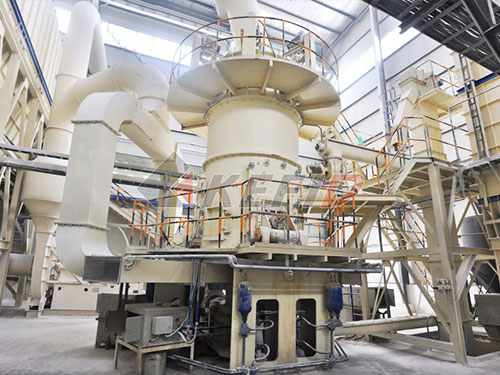
A standard 250-300 TPH plant is a multi-stage process. The typical configuration includes:
- Feeder: A vibrating grizzly feeder (VGF) to remove fines and regulate feed to the primary crusher.
- Primary Crushing: A jaw crusher (e.g., 42×48 or 50×60 inch opening) or an impact crusher (for softer, less abrasive rock). The jaw crusher is the most common choice for hard rock.
- Secondary Crushing: A cone crusher (e.g., 4.25 ft or 5.5 ft standard head) or a secondary impact crusher. Cone crushers are preferred for hard, abrasive rock to produce a cubical product.
- Tertiary Crushing: A short-head cone crusher or a vertical shaft impact (VSI) crusher. The VSI is often used to improve the cubicity of the final product and produce manufactured sand.
- Screening: Multiple decks of vibrating screens (e.g., 2-3 decks, 20×6 ft or larger) to separate the crushed material into different sizes (e.g., 0-5mm, 5-10mm, 10-20mm, 20-40mm).
- Conveyors: A network of belt conveyors to transport material between stages.
- Control System: A PLC-based control panel for centralized operation, monitoring, and automation.
4. Key Factors for Procurement and Selection
When selecting a producer for a 250-300 TPH plant, commercial buyers must evaluate several critical factors:
- Material Characteristics: The type of rock (hardness, abrasiveness, moisture content) dictates the crusher type. For hard granite or basalt, a jaw-cone-VSI configuration is standard. For limestone, an impact crusher-based plant may be more cost-effective.
- Total Cost of Ownership (TCO): The initial purchase price is only one component. TCO includes installation, energy consumption, wear parts (liners, screens), maintenance labor, and downtime costs. Premium brands often have lower TCO over a 10-year period.
- Automation and Control: Modern plants with advanced automation (e.g., Metso’s IC, Sandvik’s ACS) can optimize throughput, reduce energy consumption, and prevent damage from tramp metal. This is a key differentiator.
- After-Sales Support: The availability of spare parts, local service engineers, and technical support is crucial. A plant that is down for a week due to a lack of a spare part can cost more than the initial price difference.
- Environmental Compliance: Dust suppression systems, noise enclosures, and water management are increasingly important. Producers must offer compliant solutions.
- Modularity vs. Custom Design: Modular plants (e.g., Terex MPS) offer faster installation and easier relocation. Custom-designed plants can be optimized for a specific site layout and material flow.
5. Market Trends and Future Outlook
The market for 250-300 TPH stone crushing plants is evolving:
- Digitalization and IoT: Remote monitoring, predictive maintenance, and data analytics are becoming standard features. Producers are offering “smart” plants that can be managed from a smartphone.
- Sustainability: There is a growing demand for energy-efficient crushers (e.g., hydraulic drives, high-efficiency motors) and plants that can produce recycled aggregates from construction and demolition waste.
- Mobile and Semi-Mobile Solutions: While stationary plants are the norm for long-term quarries, mobile and semi-mobile plants are gaining popularity for contract crushing and temporary projects. A 250-300 TPH mobile plant is now a viable option.
- Consolidation: The industry is seeing consolidation, with larger players acquiring smaller regional manufacturers to expand their product portfolio and geographic reach.
- Rise of Asian Giants: Chinese and Indian manufacturers are investing heavily in R&D and quality control, gradually closing the technology gap with Western brands. Their market share is expected to grow.
Conclusion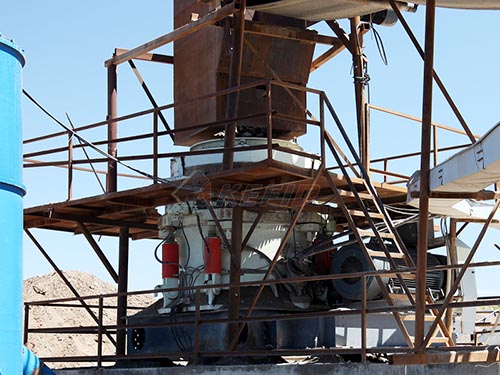
The selection of a commercial 250-300 TPH stone crushing plant producer is a complex, high-stakes decision. The global market offers a spectrum of options, from the premium, highly automated solutions of Metso Outotec and Sandvik to the cost-effective, adaptable plants from Asian manufacturers like YIFAN, SBM, and Propel. The optimal choice depends on a careful analysis of the specific application, material, budget, and long-term operational goals. Buyers should prioritize total cost of ownership, after-sales support, and the ability to produce consistent, high-quality aggregates over the initial purchase price. As technology advances and the industry moves towards greater automation and sustainability, the producers who can offer reliable, efficient, and intelligent solutions will continue to lead the market. For any serious commercial operation, a thorough technical and commercial evaluation of these leading producers is an indispensable first step.
