
Title: The Strategic Advantage of Customization in Crushing and Screening Equipment Supply
Introduction
In the aggregate, mining, construction, and recycling industries, the efficient processing of raw materials is the cornerstone of operational profitability. Crushing and screening equipment serves as the critical infrastructure in these sectors, transforming run-of-mine rock, demolition debris, and ore into valuable, specification-grade products. While the global market offers a vast array of off-the-shelf machinery, a growing number of sophisticated buyers are turning toward suppliers who offer comprehensive customization services. This shift is not merely a matter of preference but a strategic imperative driven by the need for operational efficiency, regulatory compliance, and long-term return on investment (ROI). This article examines the role of crushing and screening equipment suppliers specializing in customization, exploring the technical, operational, and economic dimensions of tailored solutions.
The Limitations of Standard Equipment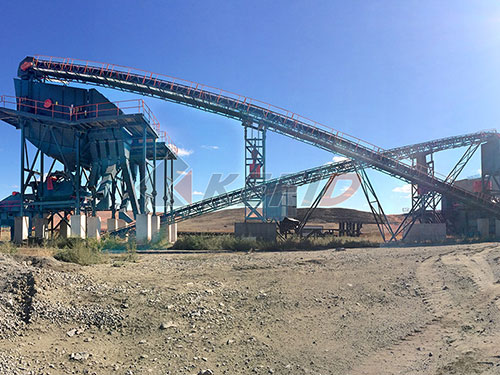
Standard, catalog-model crushers and screens are designed to handle a broad spectrum of applications. However, the “one-size-fits-all” approach often results in compromises. A standard jaw crusher may be perfectly adequate for a quarry producing 300 tons per hour of 0-40mm aggregate, but it may struggle with the abrasive nature of a specific granite deposit or fail to meet the tight cubicity requirements of a high-specification concrete mix.
Similarly, standard screening plants often face bottlenecks when dealing with high-moisture content materials or sticky clays. When a standard machine is forced into an application for which it was not optimized, the consequences include reduced throughput, accelerated wear on components, higher energy consumption per ton produced, and frequent downtime for unplanned maintenance. These inefficiencies erode profit margins and can jeopardize project timelines. Consequently, the demand for customization has risen as operators seek to eliminate these compromises and align machinery precisely with their geological and commercial realities.
Defining Customization in Crushing and Screening
Customization in this context extends far beyond a simple paint job or the addition of a branded decal. It is a multidisciplinary engineering process that encompasses several key areas:
The Technical and Economic Benefits of Customization
The primary driver for opting for customized crushing and screening equipment is the pursuit of total cost of ownership (TCO) reduction. While the initial capital expenditure (CAPEX) for a custom plant may be higher than a standard unit, the operational expenditure (OPEX) savings often justify the investment within a short period.
1. Enhanced Throughput and Efficiency:
By matching the equipment precisely to the material characteristics, operators can achieve higher throughput rates. For example, a custom-designed screening plant for a recycling application might incorporate a pre-screening section to remove fines before the main crushing stage, preventing unnecessary wear and reducing the load on the primary crusher. This results in more saleable product per hour of operation.
2. Reduced Downtime and Maintenance:
Customization allows for the use of specialized wear parts that last longer in specific abrasive environments. Furthermore, suppliers can design access points and maintenance platforms that facilitate safer and faster servicing. In the mining industry, where a single day of downtime can cost tens of thousands of dollars, this reliability is invaluable.
3. Superior Product Quality:
In the construction industry, the shape and grading of aggregates are paramount. Customized crushing chambers and screening configurations can produce a more cubical product with a tighter particle size distribution. This reduces the amount of waste and ensures the final product meets stringent engineering specifications, such as those required for high-strength concrete or asphalt.
4. Regulatory and Environmental Compliance:
Customization also plays a role in environmental stewardship. Suppliers can integrate dust suppression systems, noise attenuation enclosures, and water recycling systems directly into the plant design. This ensures compliance with increasingly strict local regulations regarding air quality and noise pollution, facilitating smoother permitting processes and community relations.
The Supplier’s Role: Engineering Partnership
A supplier specializing in customization acts less like a vendor and more like an engineering partner. The process typically begins with a comprehensive site assessment and material analysis. Suppliers may request samples of the feed material to conduct laboratory tests, including crushability studies and abrasion index testing.
Based on this data, the supplier’s engineering team develops a tailored proposal. This proposal includes detailed 3D layouts, process flow diagrams, and performance guarantees. The relationship continues through the manufacturing phase, where quality control is paramount, and into the commissioning and after-sales support phases. A reputable custom supplier will also offer training for the client’s operators to ensure the equipment is run within the designed parameters.
Challenges and Considerations
While the benefits are clear, customization is not without its challenges. The lead time for custom equipment is typically longer than for standard stock models. This requires careful project planning to ensure the equipment arrives on site when needed. Additionally, the initial engineering phase requires close collaboration and transparency from the client regarding their future production goals and material variability.
Furthermore, the complexity of custom designs means that spare parts may not be readily available off the shelf. However, leading suppliers mitigate this by providing a comprehensive spare parts list and, in some cases, stocking critical components locally for rapid deployment.
Conclusion
As the global demand for raw materials and recycled aggregates continues to rise, the margin for error in processing operations narrows. The era of forcing standard equipment into non-standard applications is drawing to a close. Crushing and screening equipment suppliers who offer deep customization capabilities provide a vital service: they bridge the gap between geological reality and commercial ambition.
By investing in tailored engineering solutions, operators can achieve higher productivity, lower operating costs, and superior product quality. In a competitive landscape, the ability to specify a plant that is built precisely for the task at hand is not just a luxury—it is a fundamental requirement for sustainable and profitable operations in the heavy materials industry.
If you have any questions about our products, please feel free to contact us. We take all inquiries and suggestions very seriously.