
Iron Ore Crushing Plant Factories: Specifications, Design, and Operational Parameters
Introduction
Iron ore is the primary raw material for steel production, and its processing begins with crushing. An iron ore crushing plant is a complex industrial facility designed to reduce run-of-mine (ROM) ore from large boulders to a fine, consistent product suitable for grinding, beneficiation, or direct shipping. The specification of such a plant is not a single document but a multidimensional set of technical, mechanical, and operational parameters that govern capacity, product size, energy consumption, and reliability. This article provides a detailed, objective examination of the specifications typical of iron ore crushing plant factories, covering design criteria, equipment selection, layout, automation, and performance metrics.
1. Design Basis and Feed Characteristics
Every crushing plant specification begins with the feed material. Iron ore varies widely in hardness (Mohs 5–7), abrasiveness, moisture content, and lump size. Key feed parameters include:
The specification must state the design throughput at a given feed size distribution and product size (e.g., 80% passing 10 mm). Factory specifications also define availability (typically 85–92%) and utilization rates.
2. Crushing Stages and Equipment Specifications
Iron ore crushing typically employs three or four stages, each with distinct equipment specifications.
2.1 Primary Crushing
Primary crushers reduce ROM ore to a size suitable for conveyor transport. Common choices: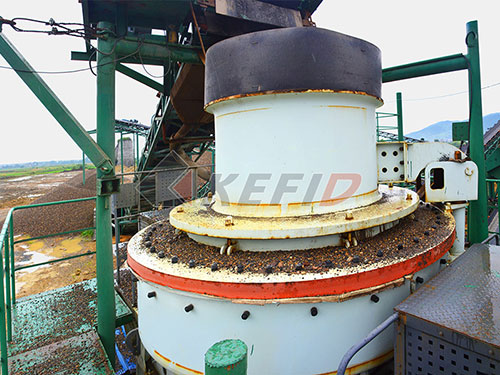
Factory specifications for primary crushers include liner material (Mn18Cr2 or Cr-Mo alloy), wear life (typically 6–12 months), and dust suppression systems.
2.2 Secondary Crushing
Secondary crushers further reduce ore to 50–80 mm. Standard equipment:
Specifications include hydraulic tramp release, automatic setting regulation (ASRi), and liner profiles (coarse, medium, fine).
2.3 Tertiary and Quaternary Crushing
For fine product (e.g., −10 mm or −6 mm), short-head cone crushers or HPGR (high-pressure grinding rolls) are used.
Specifications for HPGR include roll surface hardness (HRC 58–62), bearing life (>50,000 h), and hydraulic system pressure (200–350 bar).
3. Screen and Conveyor Specifications
Screens classify ore between crushing stages. Typical specifications:
Factory specifications also define chute liners (ceramic or Ni-hard), dust collectors (baghouse or wet scrubber), and magnetic separators for tramp iron removal.
4. Plant Layout and Structural Specifications
A typical iron ore crushing plant factory occupies 5,000–50,000 m². Layout specifications include:
Factory specifications also cover fire suppression, emergency stops, and noise enclosures (sound pressure ≤85 dB(A) at 1 m).
5. Automation and Control Specifications
Modern crushing plants use PLC/SCADA systems. Specifications include:
Specifications may require remote monitoring (IoT) and predictive maintenance algorithms.
6. Performance and Quality Specifications
Factory specifications define guaranteed performance:
7. Environmental and Safety Specifications
Iron ore crushing generates dust and noise. Factory specifications include:
8. Factory Manufacturing and Quality Assurance Specifications
Crushing plant factories (manufacturers) must meet:
9. Economic and Logistic Specifications
Factory specifications also address:
Conclusion
The specification of an iron ore crushing plant factory is a comprehensive engineering document that integrates feed characteristics, equipment performance, structural design, automation, environmental compliance, and quality assurance. Each parameter—from CSS and power draw to dust emission and availability—must be defined, measured, and guaranteed. As ore bodies become more complex and energy costs rise, specifications increasingly emphasize energy efficiency, wear life, and digital monitoring. A well-specified plant achieves the twin goals of consistent product quality and low total cost of ownership, making it a critical asset in the global steel supply chain.
If you have any questions about our products, please feel free to contact us. We take all inquiries and suggestions very seriously.