
Title: The Role and Significance of an ISO Certified Ball Mill Fabricator in Modern Industrial Processing
Introduction
In the realm of mineral processing, cement production, chemical engineering, and materials science, the ball mill stands as a cornerstone of comminution technology. This rotating cylindrical device, filled with grinding media, is essential for reducing particle size, blending materials, and preparing slurries. However, the performance, reliability, and safety of a ball mill are not solely determined by its design specifications; they are profoundly influenced by the quality of its fabrication. This is where the concept of an “ISO Certified Ball Mill Fabricator” becomes critically important. An ISO certification, particularly ISO 9001:2015 for quality management systems, signifies that a fabricator adheres to internationally recognized standards for manufacturing processes, quality control, and continuous improvement. This article provides a comprehensive, professional, and objective examination of what it means to be an ISO certified ball mill fabricator, the technical and operational implications of such certification, the fabrication process itself, and the value it delivers to end-users across various industries.
1. Understanding the Ball Mill: A Technical Overview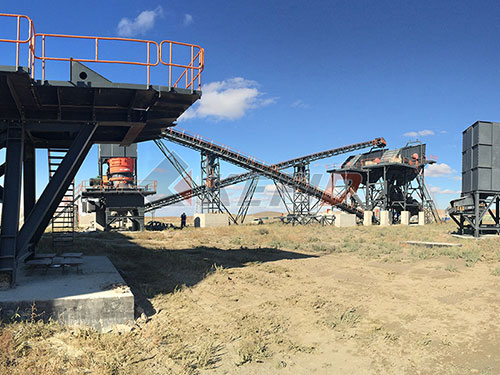
Before delving into the specifics of fabrication, it is essential to understand the ball mill’s fundamental design and operational principles. A typical ball mill consists of a horizontal or slightly inclined rotating cylinder, often made of steel, lined with wear-resistant materials such as manganese steel, rubber, or ceramic. The cylinder is partially filled with grinding media—balls made of steel, stainless steel, ceramic, or other materials. As the mill rotates, the grinding media are lifted by centrifugal force and then cascade or cataract down, impacting and abrading the feed material. The key components of a ball mill include:
The fabrication of these components, particularly the shell and end plates, requires advanced metalworking capabilities, including heavy plate rolling, welding, machining, and heat treatment. An ISO certified fabricator ensures that each of these steps is performed under controlled conditions with documented procedures.
2. What Does ISO Certification Mean for a Ball Mill Fabricator?
ISO (International Organization for Standardization) certification is not a product standard; it is a management system standard. For a ball mill fabricator, ISO 9001:2015 certification indicates that the company has implemented a robust Quality Management System (QMS) that covers all aspects of its operations, from initial customer inquiry to final delivery and after-sales service. Key elements of an ISO 9001:2015 QMS relevant to ball mill fabrication include:
It is important to note that ISO certification is not a one-time event. It requires annual surveillance audits and a recertification audit every three years. Therefore, an ISO certified ball mill fabricator demonstrates a long-term commitment to quality, not just a temporary marketing advantage.
3. The Fabrication Process: From Raw Material to Finished Mill
The journey from raw steel plates to a fully assembled ball mill involves several critical stages, each of which is subject to the stringent controls of an ISO QMS.
3.1 Material Procurement and Inspection
An ISO certified fabricator sources steel plates, castings, and forgings from reputable suppliers who themselves often hold ISO certifications. Upon receipt, materials are inspected for chemical composition, mechanical properties (yield strength, tensile strength, elongation), and dimensional tolerances. Mill test certificates are verified against purchase orders. Non-conforming materials are segregated and rejected.
3.2 Plate Preparation and Rolling
The shell of a large ball mill is typically made from multiple rolled steel plates that are welded together. The plates are cut to precise dimensions using plasma, laser, or oxy-fuel cutting machines. They are then rolled into cylindrical sections using heavy-duty plate rolls. The rolling process must achieve the correct curvature and diameter, with minimal ovality. ISO procedures dictate that rolling parameters (temperature, pressure, number of passes) are recorded and that the curvature is checked with templates.
3.3 Welding
Welding is arguably the most critical step in ball mill fabrication. The shell welds must be full-penetration, defect-free, and capable of withstanding high cyclic stresses during operation. An ISO certified fabricator employs qualified welders (e.g., certified to AWS D1.1 or equivalent standards) and follows approved Welding Procedure Specifications (WPS). Non-destructive testing (NDT) methods such as ultrasonic testing (UT), radiographic testing (RT), magnetic particle testing (MT), and dye penetrant testing (PT) are performed on all critical welds. The results are documented and reviewed by certified NDT inspectors.
3.4 Machining
After welding, the shell assembly undergoes stress relief heat treatment to remove residual stresses. It is then moved to large vertical or horizontal boring mills for machining. The trunnion bores, flange faces, and mounting surfaces are machined to tight tolerances (often within 0.1 mm or less). The concentricity between the two trunnion bores is critical for smooth operation and long bearing life. ISO procedures require that machining operations are performed using calibrated equipment and that dimensional inspections are carried out at defined intervals.
3.5 Assembly and Alignment
The machined shell is then assembled with the end plates, trunnions, bearings, and drive components. Alignment of the girth gear and pinion is a precision task. The fabricator uses laser alignment tools and dial indicators to ensure that the gear mesh is within specified backlash and runout limits. An ISO certified fabricator will have a documented assembly procedure and will record all alignment data.
3.6 Testing and Quality Control
Before shipment, the ball mill undergoes a series of tests:
4. Benefits of Choosing an ISO Certified Ball Mill Fabricator
For end-users—whether in mining, cement, or chemical industries—selecting an ISO certified fabricator offers tangible advantages:
5. Challenges and Considerations
While ISO certification is a strong indicator of quality, it is not a guarantee of perfection. Some challenges include:
6. Industry Applications and Case Studies
ISO certified ball mill fabricators serve a wide range of industries:
Conclusion
An ISO Certified Ball Mill Fabricator represents a commitment to excellence in manufacturing, quality control, and customer satisfaction. The certification is not merely a badge; it is a reflection of a systematic approach to managing every aspect of fabrication—from material selection and welding to machining and testing. For industries that depend on the reliable, efficient, and safe operation of ball mills, partnering with an ISO certified fabricator is a prudent investment. It reduces risk, ensures compliance, and ultimately contributes to the long-term success of the processing operation. As global demand for minerals, cement, and advanced materials continues to grow, the role of ISO certified fabricators in delivering high-quality, durable grinding equipment will remain indispensable.
If you have any questions about our products, please feel free to contact us. We take all inquiries and suggestions very seriously.