Industrial Slag Crusher Plant Quotation: A Comprehensive Technical and Commercial Analysis
The procurement of an industrial slag crusher plant is a capital-intensive decision that requires a meticulous evaluation of technical specifications, operational efficiency, and lifecycle costs. A quotation for such a system is not merely a price list; it is a contractual document that defines the scope of supply, performance guarantees, and commercial terms. This article provides an in-depth, professional examination of the components, pricing determinants, and strategic considerations that underpin a credible quotation for an industrial slag crusher plant.
1. Definition and Functional Scope of a Slag Crusher Plant
Slag, a byproduct of metallurgical processes (iron, steel, copper, lead, and zinc), is a heterogeneous mixture of oxides, silicates, and metallic remnants. Its abrasive and high-hardness nature (Mohs hardness 5–7) demands specialized crushing equipment. An industrial slag crusher plant is a integrated system designed to reduce run-of-mine slag into reusable aggregates, metal recovery fractions, and fine powders for cement or construction applications. The plant typically comprises:
- Primary Crushing Unit: A jaw crusher or impact crusher for initial size reduction (from 500–1000 mm to 100–150 mm).
- Secondary Crushing Unit: A cone crusher or vertical shaft impact (VSI) crusher for further reduction to 20–40 mm.
- Magnetic Separation System: Overband magnets and drum separators to extract ferrous metal content (critical for steel slag).
- Screening and Classification: Vibrating screens with multiple decks to segregate product sizes.
- Conveying and Feeding Systems: Belt conveyors, vibrating feeders, and hoppers for material flow.
- Dust Suppression and Collection: Wet scrubbers or baghouse filters to meet environmental compliance.
- Control and Automation: PLC-based panels with remote monitoring, load sensors, and interlocking logic.
A quotation must clearly delineate whether it covers a turnkey solution (including civil works, erection, and commissioning) or a supply-only package (equipment delivered ex-works).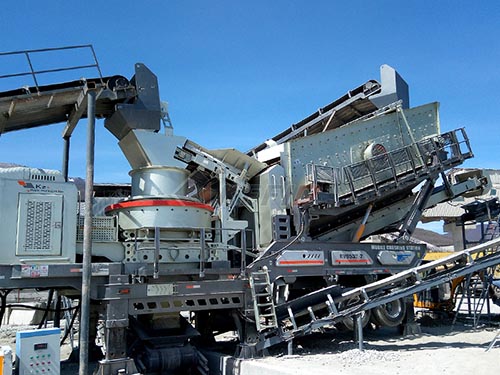
2. Key Technical Parameters That Influence the Quotation
A professional quotation is anchored on a detailed technical specification sheet. The following parameters directly affect the engineering design and, consequently, the price:
- Feed Material Characteristics: The chemical composition (e.g., basicity ratio for steel slag), moisture content (typically 2–10%), and bulk density (1.6–2.2 t/m³) dictate the crusher type and power rating. For example, air-cooled blast furnace slag is more brittle than water-granulated slag, requiring different rotor configurations.
- Throughput Capacity: Quoted in tons per hour (TPH). A standard plant ranges from 50 TPH to 500 TPH. Higher capacity demands larger crushers, heavier duty frames, and more powerful motors (e.g., 200 kW vs. 900 kW), exponentially increasing capital cost.
- Final Product Specification: The required output size distribution (e.g., 0–5 mm, 5–20 mm, 20–40 mm) and the permissible percentage of metal contamination. If the client requires a high-purity aggregate for asphalt, the plant must include additional washing or attrition scrubbers, which adds 15–25% to the base quotation.
- Wear Life and Maintenance Intervals: Slag is highly abrasive. Quotations should specify the wear liner material (e.g., high-chrome alloy, ceramic inserts) and the expected service life (e.g., 3,000–6,000 hours for blow bars). A lower initial price with inferior wear parts will result in higher operational expenditure (OPEX), a critical factor for total cost of ownership (TCO).
- Energy Efficiency: Specific energy consumption (kWh/ton) is a major differentiator. Modern plants with variable frequency drives (VFDs) on conveyors and crushers can reduce energy use by 10–15% compared to fixed-speed systems. The quotation should include a projected energy audit.
3. Commercial Structure of a Quotation
A transparent, professional quotation is structured into distinct sections to avoid ambiguity:
- Ex-Works (EXW) vs. FOB vs. CIF Pricing: The Incoterms determine the cost baseline. For example, an EXW quotation from a manufacturer in China will exclude international freight, insurance, and import duties. A CIF quotation to a port in the Middle East or Africa will include these, potentially adding 8–12% to the equipment cost.
- Scope of Supply (Bill of Quantities): A line-item list of every major component—crushers, screens, magnets, motors, control panels, and spare parts. A reputable vendor will include a mandatory first-year spare parts kit (e.g., 10% of wear parts, 2 sets of bearings, hydraulic hoses).
- Civil and Structural Works: For a turnkey project, the quotation must separate the cost of concrete foundations, steel structures, and erection labor. This can account for 20–30% of the total project cost, depending on site soil conditions and seismic zone.
- Performance Guarantees and Liquidated Damages: The quotation should state guaranteed throughput, product size, and metal recovery efficiency (e.g., ≥95% ferrous recovery). If the plant fails to meet these, the vendor may be liable for liquidated damages (typically 0.5–1% of contract value per week of delay).
- Payment Terms: Standard industry practice is 30% advance, 40% against dispatch, 20% against erection, and 10% against successful commissioning. However, for large plants (>$2 million), a Letter of Credit (L/C) at sight is common. The quotation must specify the currency (USD, EUR, or CNY) and the exchange rate validity period (usually 30–60 days).
4. Cost Breakdown and Benchmark Pricing
While prices fluctuate with raw material costs (steel, castings) and global logistics, a realistic benchmark for a mid-sized (150 TPH) slag crusher plant in 2024 is as follows:
- Primary Jaw Crusher (PE-900×1200): $80,000 – $120,000
- Secondary Cone Crusher (CS-160): $110,000 – $160,000
- VSI Crusher for tertiary shaping: $90,000 – $140,000
- Magnetic Separators (overband + drum): $25,000 – $45,000
- Vibrating Screens (2 units, 3-deck): $30,000 – $50,000
- Conveyors (total length 150 m): $40,000 – $70,000
- Dust Collection System (baghouse, 10,000 CFM): $35,000 – $60,000
- PLC Control Panel and Automation: $20,000 – $35,000
- Structural Steel and Chutes: $50,000 – $80,000
- Erection and Commissioning (labor + supervision): $60,000 – $100,000
Thus, a complete turnkey quotation for a 150 TPH plant typically ranges from $540,000 to $860,000, excluding civil works. For a 300 TPH plant, the price escalates to $1.2 million – $1.8 million. It is crucial to note that a quotation below $400,000 for a 150 TPH plant should raise red flags regarding equipment quality, missing components, or unrealistic performance claims.
5. Hidden Costs and Value Engineering
A professional quotation should proactively address hidden costs that often surprise buyers:
- Transportation of Oversized Components: Crusher main frames and rotors may require special low-bed trailers or flat-rack containers. The quotation should include a logistics plan with dimensional drawings and weight certificates.
- Site Preparation and Utilities: The cost of providing 3-phase power (e.g., 400V, 50Hz) and water supply for dust suppression is usually borne by the buyer. A quotation may include a technical advisory for grid connection but not the utility infrastructure cost.
- Operator Training and Documentation: A robust quotation includes 2–3 weeks of on-site training for operators and maintenance staff, plus comprehensive manuals (operation, maintenance, and parts list). This is often bundled but should be explicitly stated.
- After-Sales Support: The quotation must specify the warranty period (typically 12–18 months from commissioning) and the response time for spare parts dispatch (e.g., 48 hours for critical parts). A vendor with a local service center will command a 5–10% price premium but reduces downtime risk.
6. Comparative Evaluation of Quotations
When receiving multiple quotations, the buyer should not compare the total price alone. A weighted scoring matrix is recommended:
- Technical compliance (40%): Does the plant meet the exact TPH, product size, and metal recovery guarantees?
- Lifecycle cost (30%): Calculate the net present value (NPV) of energy consumption, wear parts replacement, and maintenance labor over 10 years. A plant with 20% higher initial cost but 30% lower wear part consumption may be more economical.
- Delivery schedule (15%): A shorter lead time (e.g., 8 weeks vs. 14 weeks) can reduce project financing costs.
- Vendor reputation and references (15%): Verify at least three installations in similar slag types (e.g., stainless steel slag vs. blast furnace slag).
7. Conclusion: The Strategic Value of a Detailed Quotation
An industrial slag crusher plant quotation is a foundational document for project feasibility, financing, and operational planning. It must be technically exhaustive, commercially transparent, and legally binding. Buyers are advised to request a preliminary quotation with a detailed technical datasheet, then engage in a technical clarification meeting before finalizing the purchase order. A well-prepared quotation not only prevents budget overruns but also ensures that the plant achieves its intended return on investment through reliable metal recovery and aggregate production. In an industry where a single day of unplanned downtime can cost thousands of dollars, the cheapest quotation is rarely the most cost-effective. Therefore, the evaluation should prioritize performance guarantees, wear life, and after-sales support as much as the initial capital outlay. Ultimately, a professional quotation is a reflection of the vendor’s engineering competence and commitment to long-term partnership—a factor that cannot be overstated in the demanding environment of slag processing.
