Importing Slag Crusher Plants: A Comprehensive Guide to Pricing and Strategic Procurement
The decision to import a slag crusher plant is a significant capital investment for any enterprise involved in steel production, mining, or construction material recycling. “Import Slag Crusher Plant Price” is not a single figure but a complex equation influenced by a multitude of factors. This article provides a detailed, professional analysis of the cost structure, key considerations, and strategic approach to procuring these essential industrial machines.
Understanding the Product: What is a Slag Crusher Plant?
Slag, a by-product of metal smelting and refining (primarily steel), is no longer considered mere waste. Processed slag finds valuable applications as aggregate in road construction, cement additive (ground granulated blast-furnace slag), and railway ballast. A slag crusher plant is a complete processing system designed to reduce large chunks of raw slag into uniformly sized granules or powder. A typical plant includes: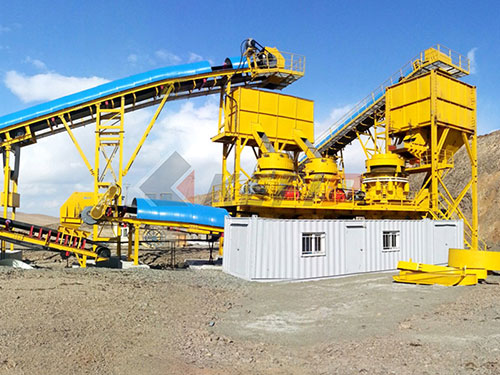
- Primary Crusher: Often a jaw crusher for initial size reduction.
- Secondary Crusher: Such as a cone crusher or impact crusher for further refinement.
- Tertiary Crushers/VSI Crushers: For producing finely cubical aggregates.
- Vibrating Screens: For sorting material by size.
- Conveyor Belts: For material transfer between stages.
- Dust Suppression System: Critical for environmental compliance and worker safety.
- Control Panel & Electrical Systems: For automation and operation.
- Structural Base Frame: The supporting skeleton of the entire plant.
Deconstructing the “Import Price”: Key Cost Components
The total landed cost of an imported slag crusher plant comprises far more than the machine’s ex-works price.
1. Core Machine Cost (FOB Price):
This is the baseline price quoted by the manufacturer at their factory gate (Free On Board). It varies dramatically based on:
- Capacity & Configuration: Plants range from 50 TPH (tons per hour) to over 500 TPH. Higher capacity necessitates larger motors, heavier structures, and more robust components, exponentially increasing cost. A mobile/track-mounted plant is typically 20-40% more expensive than a stationary one due to its integrated mobility chassis.
- Technology & Automation Level: Basic manual plants are cheaper. Those with PLC-based automation, remote monitoring, hydraulic adjustment systems, and advanced control panels command a premium but offer superior efficiency and lower long-term operating costs.
- Brand & Origin:
- European/North American Brands (e.g., Metso, Sandvik): Represent the premium segment. Prices are highest due to advanced R&D, superior metallurgy (longer-wearing wear parts), stringent quality control, and extensive after-sales support networks. You pay for unparalleled reliability and performance.
- Chinese Brands: Dominate the mid-range and budget markets. They offer exceptional value-for-money with competitive pricing—often 30-60% lower than European counterparts for similar nominal capacity. Quality has improved significantly, though it can vary between manufacturers. The focus is on functional robustness rather than cutting-edge innovation.
- Indian & Turkish Brands: Occupy a strong middle ground, often blending reasonable cost with decent quality and better cultural/linguistic alignment for many importers.
2. Logistics & Shipping Costs:
This includes ocean freight (containerized or break-bulk), insurance (marine cargo insurance), and port handling charges. A complete plant is shipped in modules. Heavier lifts (like the main crusher body) may require special flat-rack containers or roll-on/roll-off (RORO) services, increasing cost significantly compared to standard container shipping.
3. Import Duties and Taxes:
This is a critical variable determined by the importer’s country:
- Customs Duty: Tariffs on heavy machinery vary by nation’s trade policies (e.g., HS Code 8474 series).
- Value Added Tax (VAT) / Goods and Services Tax (GST): Applied to the cumulative value of CIF (Cost, Insurance, Freight) price plus duty.
- Other Levies: Possible port surcharges, customs processing fees.
4. Installation & Commissioning:
Often overlooked in initial budgeting. It involves:
- Site preparation and foundation construction.
- Erection of the plant by skilled technicians.
- Electrical hook-up to local power grids.
- Commissioning trials with actual material.
Many buyers opt to send their engineers to the supplier’s factory for training (“Factory Acceptance Test”) or pay for overseas technicians to supervise installation—a cost that must be factored in.
5. Ancillary Costs:
- Spare Parts Kit: An initial inventory of critical wear parts (liners, hammers, bearings) is essential to avoid prolonged downtime.
- Modifications for Local Standards: Electrical systems may need adaptation to meet local voltage/frequency standards or safety certifications (e.g., CE marking vs. local equivalents).
- Clearance Agent Fees: Hiring a reliable customs broker is advisable.
Strategic Considerations Beyond Sticker Price
A savvy importer looks at Total Cost of Ownership (TCO), not just purchase price.
- Quality vs. Cost Trade-off: A cheaper plant may have lower-grade bearings, less effective dust sealing, or thinner steel plates in non-critical areas. This leads to higher downtime frequency, greater power consumption per ton processed (“cost per ton”), and shorter overall lifespan.
- After-Sales Service & Technical Support: The most critical non-price factor.Can you get timely technical assistance? How quickly can you receive spare parts? A European brand may have faster spare part logistics globally than a regional Chinese supplier without an international network.
- ergy Efficiency: Motors are long-term consumers of power.Differences in efficiency ratings can translate into hundreds of thousands of dollars in electricity costs over the plant’s life cycle.A higher initial investment in an energy-efficient model often pays for itself
4..Material Suitability: Not all slags are identical.They vary in abrasiveness hardness moisture contentand chemistry.The plant must be engineeredfor your specific slag type.Suppliers should provide test crushing services
5..Supplier Credibility&Reputation Due diligenceis paramount Visitingthe factory inspectingprevious installationsand checkingreferencesare indispensable steps Bewareof”too-good-to-be-true”quotations that often hide compromisesin qualityormask hiddenfees
Sample Price Ranges(Indicative Only)
These are broad estimatesfor stationary plants(50-100TPH range)FOB pricesbefore shippingand duties:
| Origin/Type |
Low-End Estimate |
Mid-Range Estimate |
High-End/Premium Estimate |
| Chinese Standard Plant |
$80 000 – $150 000 |
$150 000 – $300 000 |
$300 000+ |
| Indian/Turkish Plant |
$120 000 – $250 000 |
$250 000 – $450 000 |
N/A |
| European Brand Plant |
N/A |
$350 000 – $600 000+ |
$600 000 – $1M+ |
Mobile/track-mountedplantsstartat approximately$200kfor basicChinese modelsandcan exceed$1Mfor largeEuropeanunits
Recommended Procurement Strategy
1..Define Specifications Clearly Detail your exact capacity requirements feed size desired output sizes slag characteristicsand site conditions
2..Conduct Global Supplier Shortlisting Identify3-5 reputable manufacturersfrom different regions Requestdetailedquotationson identicalspecifications
3..Scrutinize Quotations Break down every line item Ensure they are comprehensive(FOB CIF etc.) Clarifywhatis included(e g starter spares tools)
4..Evaluate TCO Model projectedoperating costs(downtime energy wear part consumption)over5-10 years
5..Engage Technically Insiston avirtualor physicalfactoryinspection Witnessa test run if possible Negotiateon technicalimprovementsratherthanjustprice cuts
6..Plan Logistically&Financially Engagea freight forwarder early Secureall necessaryimport permitsandallocatesufficientbudgetfor duties taxesand installation
Conclusion
The priceof importinga slagcrusherplantis amultifaceted financial commitmentthat extends wellbeyondthe initial invoice It representsa balancebetween upfrontcapital expenditureand long-term operational efficiency reliabilityand productivity The mostcost-effectiveimportis not necessarilythe cheapestbutthe onethat deliversoptimalperformancewith predictable operatingcosts overits servicelife By conductingthorough due diligence prioritizingtotal costof ownershipand selectinga reputable supplierwho understandsyour specific needs businessescan makean informedinvestmentthat will enhancetheir recyclingoperationsprofitabilityandsustainabilityfor yearsto come
