Procurement Guide for a 250-300 TPH Stone Crushing Plant: A Strategic Framework for Project Success

Introduction

The establishment of a 250-300 tons per hour (TPH) stone crushing plant represents a significant capital investment and a cornerstone project for any aggregate producer, mining operation, or large-scale infrastructure contractor. This capacity range is strategically vital, bridging the gap between medium-sized operations and high-volume mega-plants, making it ideal for supplying raw materials for highways, railways, large commercial developments, and regional concrete/asphalt production. The procurement process for such a plant is not merely about purchasing equipment; it is a complex, multi-stage strategic undertaking that determines the project’s long-term profitability, operational efficiency, and compliance. This guide provides a detailed, professional framework for the procurement of a 250-300 TPH stone crushing plant.

Phase 1: Pre-Procurement Planning & Feasibility Analysis

Before engaging with any supplier, meticulous internal planning is paramount.

  1. Feed Material Characteristics: Comprehensive analysis of the source material (quarry face, river gravel deposit) is non-negotiable. Key parameters include:

    • Type & Hardness: Is it abrasive granite/basalt, softer limestone, or recycled concrete? This dictates crusher type and wear part metallurgy.
    • Maximum Feed Size: The dimensions of the largest boulder from the quarry.
    • Abrasion Index (Ai) & Silica Content: Critical for predicting wear rates on liners, blow bars, and conveyor belts.
    • Moisture and Clay Content: High moisture/clay can cause clogging in crushers and screens, influencing the need for pre-screening or washing equipment.
  2. Final Product Specifications: Define the exact gradation requirements (sizes and proportions) for each end product (e.g., base course, sub-base, concrete aggregates, asphalt chips). This directly influences the plant’s screening and crushing stages.

  3. Site-Specific Constraints & Logistics:

    • Topography: A steeply sloped site might favor a modular vertical design to minimize conveyors.
    • Space Limitations: A compact layout may require track-mounted or hybrid mobile setups instead of traditional fixed steel structures.
    • Power Availability: A reliable high-voltage electrical supply is essential; otherwise, diesel generator sets become a major CAPEX/OPEX factor.
    • Environmental Regulations: Dust suppression (mist cannons, enclosures), noise abatement (acoustic panels), and water runoff management systems must be budgeted for from the start.
  4. Operational Philosophy: Decide between:

    • Stationary Plant: Highest efficiency and lowest operating cost per ton for long-life quarries (>10 years).
    • Track-Mounted Mobile Plant: Offers relocation flexibility within a large site or between multiple sites but at a higher cost per ton and slightly lower energy efficiency.
    • Semi-Mobile/Skid-Mounted Plant: A compromise offering some relocation flexibility with near-stationary plant performance.

Phase 2: Process Design & Flowsheet Development

A well-designed process flowsheet is the blueprint of an efficient plant. For 250-300 TPH output, a typical three-stage crushing circuit is standard:250 300tph Stone Crushing Plant Producer Procurement

  1. Primary Crushing Stage (Jaw Crusher): Handles the largest feed size. A robust jaw crusher with a large feed opening is selected based on maximum lump size and desired reduction ratio.
  2. Secondary Crushing Stage (Cone Crusher or Impact Crusher):
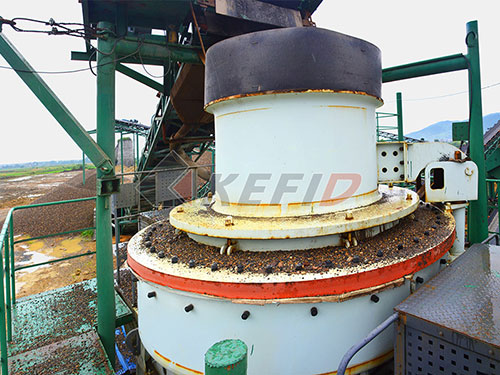
    • For hard, abrasive stone (Cone Crusher): Provides interparticle compression crushing for superior product shape and lower wear costs in abrasive applications.
    • For softer stone or where shape is less critical (Impact Crusher): Offers high reduction ratios and good cubical shape but higher wear costs in abrasive rock.
  3. Tertiary/Final Crushing Stage (Cone Crusher or Vertical Shaft Impactor – VSI): Fine-tunes product gradation. A cone crusher in closed circuit with screens ensures precise sizing. A VSI is used specifically to produce premium-shaped sand (“manufactured sand”) from crusher fines.

Key Considerations:

  • Closed-Circuit Design: Returning oversize material from screens back to crushers is essential for consistent product control at this capacity.
  • Scalping & Screening Efficiency: Powerful vibrating grizzly feeders remove fines before the primary crusher to increase efficiency. Multiple deck sizing screens are critical bottlenecks; their size and selection are crucial.
  • Material Handling System: Conveyor belt width, speed, idler quality, and transfer point design must handle peak loads with minimal spillage and dust generation.

Phase 3: The Procurement Process – Vendor Selection & Negotiation

With a defined flowsheet and specifications:250 300tph Stone Crushing Plant Producer Procurement
  1. Request for Quotation (RFQ) Package: Develop a comprehensive RFQ including:

    • Detailed technical specifications for each major item.
    • Required performance guarantees (throughput on specific material types).
    • Key component brands preference (e.g., bearings, motors).
    • Delivery schedule milestones.
    • Commercial terms (Incoterms®, payment schedule).
    • Requirements for after-sales service support.
  2. Supplier Qualification:

    • Evaluate suppliers based on their experience with similar capacity plants in similar materials.
    • Scrutinize their engineering capability—do they offer proper foundation drawings, GA layouts?
    • Assess their global/local service network availability of spare parts.
  3. Technical Evaluation:

    • Compare proposed flowsheets from different vendors side-by-side.
    • Analyze power consumption estimates per ton crushed—a key OPEX driver.
    • Review proposed equipment brands/models for reliability reputation.
  4. **Commercial Negotiation & Contracting: Beyond initial price:

  • Negotiate performance-based liquidated damages clauses tied to guaranteed throughput/power consumption/product gradation. Clarify warranty terms—what’s covered? Wear parts are typically excluded. Secure pricing schedules/availability guarantees on critical spare parts. Define responsibilities clearly—scope split between vendor-supplied items vs customer-furnished items like foundations or electrical grid connection.

Phase Four : Project Execution And Commissioning

Procurement extends beyond signing contract It includes managing delivery installation commissioning

1 Installation Supervision Foundation work by local contractor must be meticulously checked against supplier drawings before equipment arrival Proper alignment leveling critical prevent premature failures

2 Commissioning Acceptance Testing FAT Factory Acceptance Test witness major component assembly SFAT Site Acceptance Test run plant under vendor supervision Performance Guarantee Test Most critical phase Run plant over extended period e g hours using defined feedstock verify meets guaranteed throughput gradation power consumption dust/noise levels

3 Training Documentation Ensure comprehensive operator maintenance training provided Receive complete documentation package including detailed manuals P ID drawings wiring diagrams lubrication schedules recommended spare parts list

Phase Five : Lifecycle Cost Considerations Total Cost Ownership TCO

Smart procurement focuses on minimizing TCO not just initial capital expenditure CAPEX

1 Energy Efficiency Difference between efficient well designed circuit inefficient one can be kW per ton Over year operation kWh saving translates tens thousands dollars

2 Wear Parts Consumption Cost Availability Evaluate proposed crusher liner designs expected lifetime get quotes replacement sets Establish reliable local supply chain fast delivery minimize downtime

3 Maintenance Accessibility Design ease maintenance hydraulic adjustment tramp release systems automated lubrication all reduce labor time safety risks

4 Flexibility Future Expansion Consider potential future changes feed material product demand Can plant be easily modified Modular designs allow adding washing system extra screen deck later

Conclusion
Procuring TPH stone crushing plant complex multidisciplinary project requiring deep technical knowledge strategic commercial acumen Success hinges moving beyond simple equipment purchase embracing holistic process that begins thorough material site analysis culminates rigorous performance verified commissioning By investing time resources meticulous planning detailed specification robust supplier evaluation buyer transforms procurement from transactional cost center strategic investment that will deliver reliable low cost production decades come Ultimate goal secure not just collection machinery but fully integrated production system optimized specific operational financial objectives

Leave Message

*

If you have any questions about our products, please feel free to contact us. We take all inquiries and suggestions very seriously.