
Abstract:
Slag, a by-product of metal smelting and refining processes, represents both an environmental challenge and a valuable resource. Processing this material efficiently requires specialized machinery, with the Slag Crusher Plant standing as the core of any slag recycling operation. This article provides a detailed, objective examination of the specifications that define a high-quality slag crusher plant, offering insights for metallurgical plants, construction firms, and recycling facilities seeking to invest in this critical equipment. The focus is on the technical parameters set by manufacturers that dictate performance, durability, and return on investment.
Slag crusher plants are integrated systems designed to reduce large chunks of slag—from blast furnace (BF slag), steel furnace (BOF or EAF slag), or non-ferrous processing—into uniformly sized aggregates suitable for downstream applications. These applications include use as raw feed in cement production (granulated blast furnace slag), aggregate for road base and construction, railway ballast, and soil conditioning. The plant’s primary function is size reduction, but a modern system also incorporates stages for feeding, crushing, screening, separation, and sometimes washing. The manufacturer’s specifications are the blueprint that determines whether the plant can handle a specific slag’s abrasiveness, hardness (often 6-7 Mohs), and initial feed size to produce the required end product.
A slag crusher plant is not a single machine but a synchronized circuit. Key components and their critical specs include:
A. Primary Crusher:
B. Secondary & Tertiary Crushers:
C. Vibrating Feeders & Screens:
D. Conveying System:
Manufacturers specify the entire system’s capabilities:
Slag is highly abrasive.Manufacturer specs must guarantee longevity:
A responsible manufacturer’s quote will include :
*Auxiliary Equipment Specs :
-Sound enclosures /acoustic damping materials to meet noise level limits(<85 dB(A) at operator stations ).
-Water recycling system specs if washing is involved(clarifier tank capacity,silt handling).
-Safety Features :
-Guarded drive units ,emergency stop cords along conveyors ,lock-out/tag-out provisions .
-Non-slip platforms ,handrails compliant with OSHA /ISO standards .
When comparing plants,focus on :
1.Application Match :Ensure specs align with your specific slag type(ferrous/non-ferrous ),feed size,and desired products .
2.Throughput vs.Capital Cost :Do not over-specify capacity ;a slightly undersized plant running consistently is better than an oversized one running intermittently .
3.Total Cost of Ownership(TCO):Evaluate specs impacting operating costs(power draw ),wear life(spare part consumption rates ),and maintenance ease(lube system centralization ).
4.Manufacturer’s Proven References :Request case studies from similar applications to validate performance claims against their published specifications.
Emerging trends influencing new generation plant specs include :
-Hybrid /Electric Drives :Specifications may include options for diesel-electric hybrid power packs for fuel savings in remote locations .
-Smart Technology Integration :Specs now cover IoT sensors(for predictive maintenance ),automated CSS adjustment,and real-time production tracking via cloud platforms .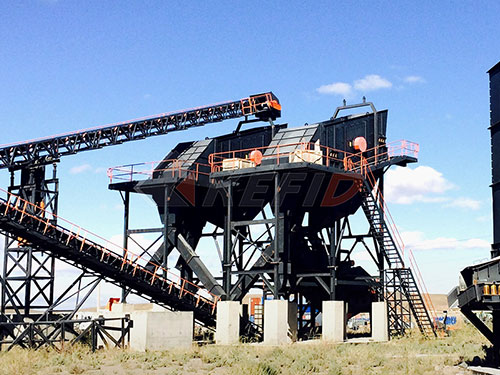
-Modular Design :Plants specified as skid-mounted or containerized modules allow faster installation/deployment with clear interface specs between modules .
The specification sheet provided by a slag crusher plant manufacturer is a comprehensive technical document that defines the system’s capability,build quality,and operational efficiency.Investing time in understanding these details—from the grade of manganese steel in a jaw plate to the air-to-cloth ratio of the dust collector—is not merely an engineering exercise;it is fundamental due diligence.A well-specified plant,based on accurate feed characterization and clear output goals,directly translates into higher availability,better product quality control,and lower long-term operating costs,thereby maximizing the economic value extracted from slag while fulfilling environmental stewardship responsibilities.Ultimately,the right specifications bridge the gap between metallurgical waste and a valuable secondary raw material
If you have any questions about our products, please feel free to contact us. We take all inquiries and suggestions very seriously.