Stone Quarry Crushing Plant Wholesaler Testing: Ensuring Quality, Performance, and Value in the Aggregate Supply Chain
In the global construction and infrastructure development industry, the reliability of raw materials is paramount. At the heart of this supply chain lies the stone quarry crushing plant—a complex assembly of machinery designed to transform blasted rock into precisely graded aggregates like crushed stone, gravel, and sand. For contractors, ready-mix concrete producers, and large-scale project developers, purchasing these plants directly from manufacturers can be capital-intensive and logistically challenging. This is where stone quarry crushing plant wholesalers enter the picture, acting as critical intermediaries. However, given the significant investment and operational stakes involved, testing—a comprehensive evaluation process conducted by or for the wholesaler—becomes a non-negotiable practice to ensure quality, verify performance claims, and mitigate risk for all parties.
The Role of the Wholesaler: More Than a Middleman
A reputable wholesaler is not merely a reseller of equipment. They serve as technical consultants, logistics coordinators, and value-added filters for the market. Their portfolio typically includes new plants from established brands, but a significant segment involves high-quality used or refurbished crushing plants. The wholesaler’s value proposition hinges on their ability to provide:
- Cost-Effectiveness: Lower prices than direct OEM sales for comparable capacity.
- Market Access: Sourcing equipment from global markets (e.g., European manufacturers to Asian buyers).
- Pre-Selection: Evaluating multiple equipment options to match specific client needs (rock type—granite vs. limestone vs. basalt—required output sizes, mobility needs).
- Refurbishment & Reconfiguration: Upgrading used plants with new wear parts, modern control systems, or re-engineering layouts.
It is precisely this value addition that makes rigorous testing protocols essential. The wholesaler’s reputation and commercial viability depend on the performance of the plants they sell.
The Multifaceted Testing Regime: From Inspection to Load Simulation
Wholesaler testing is a phased process that moves from visual assessment to full operational validation.
Phase 1: Documentation & Visual Inspection Audit
Before any machine is powered on, a paper trail and physical inspection set the baseline.
- Certification Verification: Checking for CE marks, ISO certifications of origin, and machinery directives compliance.
- Service History Analysis: For used plants, reviewing maintenance logs, hour meters/mileage readings (for mobile units), and major overhaul records.
- Structural & Wear Inspection: Engineers examine the plant’s chassis/frame for cracks or repairs. Critical wear components are measured:
- Crusher jaws/liners (jaw crushers), mantles/concaves (cone crushers), blow bars (impact crushers).
- Screen deck condition and cloth panel integrity.
- Conveyor belt wear, idler roller alignment, and pulley lagging.
- Hydraulic system integrity for leaks or hose degradation.
- Electrical panel condition and cable integrity.
Phase 2: Component-Level Functional Testing
This involves running subsystems independently in a controlled environment.
- Mechanical Drive Systems: Checking V-belt tensions, gearbox oil analysis for contaminants (in some advanced tests), alignment of crusher drives and screen vibrators.
- Hydraulic & Lubrication Systems: Verifying pressure settings on crusher adjustment cylinders (e.g., cone crusher clamping pressure), testing hydraulic ram functionality for settings adjustment or clearing blockages. Ensuring automatic lubrication systems are fully operational and programmed correctly.
- Electrical & Control Systems: Powering up control panels to test PLC functionality sensor inputs (level probes temperature sensors) motor starters Variable Frequency Drives (VFDs) for conveyors or feeders Safety interlocks emergency stop circuits are rigorously validated.
Phase 3: Static Load Testing & Assembly Verification
For modular stationary plants or mobile units reassembled after transport wholesalers often conduct static tests
- Laser Alignment: Using laser tools to ensure perfect alignment between discharge feeders crusher in-feed chutes transfer conveyors This prevents material spillage premature belt wear
- Bolt Torque Audits: Critical structural bolts especially on crusher bases screen frames vibrating mounts are checked with calibrated torque wrenches to specified manufacturer values
- Vibration Analysis Baseline Readings: On key rotating components like screen vibrators crusher eccentric assemblies accelerometers may be used to record baseline vibration spectra Any abnormal frequencies can indicate underlying imbalance misalignment bearing defects
Phase 4: Dynamic Operational Testing – The Core Validation
This is the most critical phase simulating real-world conditions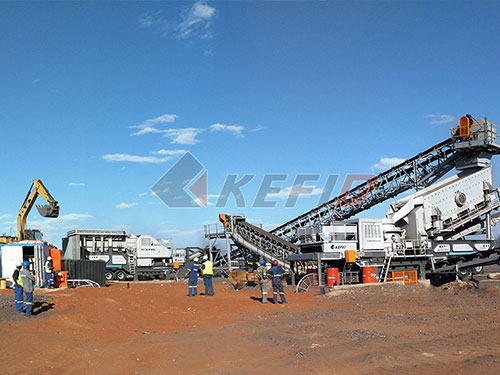
- Cold Run Test The entire plant circuit is run empty verifying smooth operation of all motors bearings drives Listening for unusual noises monitoring amperage draws against expected no-load values
- Material Feed Test with Representative Rock Using a sample batch of material matching the target application e.g., hard abrasive granite medium-hard limestone
- Throughput Measurement Material is fed at a controlled rate Output is weighed over time to calculate actual tons per hour TPH comparing it against rated capacity
- Product Gradation Analysis Output material from each product conveyor is collected sampled sieved using stack test sieves The resulting particle size distribution PSD curve is compared against client specifications e.g., ASTM C33 aggregates road base materials This validates screen efficiency crusher settings
- Power Consumption Monitoring Key motors primary secondary crushers main screen are monitored under load ensuring they operate within rated amperage without tripping indicating proper sizing health
- Dust Emission Observation While not always formal emission testing visible dust generation at transfer points informs recommendations about dust suppression system upgrades needed
Phase 5: Post-Test Evaluation & Certification
Following operational testing a comprehensive report is generated This includes photographic evidence before/during/after test data logs gradation analysis results list of any replaced components recommendations A credible wholesaler will provide this test dossier as part of their sales package Some offer limited performance warranties based on their own test outcomes
Advanced Technological Integration in Modern Testing
Leading wholesalers now incorporate sophisticated technology into their testing protocols:
- Drone Thermography: Using drones equipped with thermal cameras to identify overheating bearings electrical connections during load tests pinpointing potential failure points invisible to naked eye
- Wear Part Scanning with 3D Profilometry: For critical crusher liners using laser scanning to create precise 3D models comparing them against original CAD drawings quantifying remaining wear life more accurately than manual measurement
- Data Logging Predictive Analytics: Installing temporary IoT sensors during test capturing vibration temperature pressure data over several hours This data can be analyzed using software algorithms establishing baseline health signature predicting maintenance intervals
Economic Operational Implications
Thorough wholesaler testing delivers tangible benefits across supply chain:
- For Buyer Reduces post-purchase surprises downtime ensures plant meets production quality specs from day one Provides leverage price negotiation if test reveals minor deficiencies Lowers total cost ownership TCO by preventing catastrophic early failures
- For Wholesaler Builds market trust reduces costly warranty claims returns Enhances brand as quality-assured supplier not just equipment broker Justifies premium pricing for fully tested certified plants
- For Industry Raises overall equipment quality standards promotes safer more reliable operations jobsites Encourages circular economy by validating refurbished equipment giving it second life reducing environmental impact new manufacturing
Challenges Limitations Future Outlook
Testing not without challenges It requires significant capital investment in test yards skilled technicians diagnostic tools Cost comprehensive testing must be balanced against plant value leading tiered testing approaches based on price point Complexity fully simulating years field conditions few hours impossible Hidden defects subsurface cracks fatigued metal may remain undetected Future trends point towards digital twins virtual simulation paired physical testing blockchain-secured immutable test records providing transparent history each machine sold market
Conclusion
In high-stakes world aggregate production where hourly downtime costs thousands dollars stone quarry crushing plant wholesaler testing far from optional procedural step It fundamental engineering discipline underpins integrity entire secondary equipment market By subjecting plants rigorous multi-phase evaluation encompassing visual inspection functional checks dynamic load simulation advanced diagnostics responsible wholesalers transform themselves from passive intermediaries active guarantors performance Their role becomes that critical validation node ensuring every jaw crusher cone crusher screening unit conveyor they sell not just collection mechanical parts but verified integrated production system capable delivering specified tonnage required gradation reliably Through this meticulous process they de-risk major capital investments clients while fostering culture transparency accountability ultimately contributing safer more efficient sustainable global construction infrastructure development
