Coke Vibration Screen Processing Plant: Design, Operation, and Optimization
Introduction
Coke, a carbonaceous material derived from the destructive distillation of coal in the absence of air, is a critical feedstock for the metallurgical industry, particularly in iron and steel production. The quality of coke directly influences blast furnace efficiency, hot metal quality, and overall plant economics. One of the most crucial steps in coke production is the screening and sizing process, which ensures that the coke delivered to the blast furnace meets strict particle size specifications. The Coke Vibration Screen Processing Plant is the heart of this operation, employing advanced vibratory screening technology to separate coke into various size fractions, remove fines, and prepare the material for downstream use or storage.
This article provides a comprehensive, professional, and objective analysis of a typical coke vibration screen processing plant. It covers the fundamental principles of vibratory screening, the specific challenges posed by coke as a material, the key equipment components, process flow design, operational parameters, maintenance strategies, and recent technological advancements. The goal is to offer a detailed reference for engineers, plant managers, and industry professionals involved in coke handling and processing.
1. The Role of Screening in Coke Processing
Raw coke, as it exits the coke oven and undergoes quenching (either wet or dry), is a heterogeneous mixture ranging from large lumps (often exceeding 100 mm) to fine dust (less than 0.5 mm). The blast furnace requires a specific size distribution, typically between 20 mm and 80 mm, with minimal fines (less than 5 mm) and minimal oversize material (greater than 80 mm). Oversize coke can cause bridging and uneven burden distribution, while fines can impede gas flow and reduce permeability.
The primary functions of a coke vibration screen processing plant are:
- Size Classification: Separating the raw coke into distinct size fractions (e.g., +80 mm, 40-80 mm, 20-40 mm, 10-20 mm, and -10 mm).
- Fines Removal: Extracting the smallest particles (coke breeze) for use in sintering or power generation.
- Quality Control: Ensuring that the product coke meets the stringent specifications required by the blast furnace.
- Blending: In some plants, multiple screen decks are used to blend different size fractions to achieve a target particle size distribution.
2. Material Characteristics and Screening Challenges
Coke presents unique challenges for vibratory screening that differentiate it from other bulk materials like iron ore or limestone.
- Abrasive Nature: Coke is highly abrasive due to its hard, angular, and porous structure. This accelerates wear on screen decks, side plates, and discharge chutes.
- Brittleness: Coke is brittle and prone to breakage during handling. Excessive vibration or impact can generate additional fines, reducing yield and product quality.
- Moisture Content: Wet-quenched coke retains significant moisture (typically 3-6%), which can cause blinding (clogging) of screen apertures, especially for finer mesh sizes. Dry-quenched coke is drier but may still have residual moisture.
- Particle Shape: Coke particles are irregular and angular, which can lead to wedging in screen openings and reduced screening efficiency.
- Dust Generation: The handling of dry, fine coke generates significant airborne dust, requiring effective dust collection and suppression systems.
3. Core Equipment: The Vibrating Screen
The vibrating screen is the central piece of equipment in the processing plant. For coke applications, the most common types are:
- Linear Motion Vibrating Screens: These screens use two counter-rotating vibrator motors to produce a linear, straight-line vibration. They are highly efficient for dewatering and fines removal, and are often used for final sizing.
- Circular Motion Vibrating Screens: These screens use a single eccentric shaft or vibrator to produce a circular or elliptical motion. They are robust and suitable for heavy-duty scalping and coarse sizing.
- Banana Screens (Multi-Slope Screens): These screens have a curved profile with multiple slopes, allowing for a high material bed depth at the feed end and a thin bed at the discharge end. They offer high capacity and efficiency, especially for difficult-to-screen materials like coke.
Key design features for coke screening include:
- Screen Deck Material: High-wear-resistant materials such as polyurethane, rubber, or specially hardened steel are used for screen panels. Polyurethane is preferred for its abrasion resistance, noise reduction, and flexibility, which reduces blinding.
- Screen Aperture Shape: Square or rectangular openings are common. For fine screening, slotted openings may be used to minimize blinding.
- Vibration Mechanism: The amplitude and frequency of vibration are critical. For coke, a moderate amplitude (6-10 mm) and a frequency of 800-1000 rpm are typical. Higher amplitudes can cause particle breakage.
- Support Structure: The screen must be mounted on a robust, vibration-isolated support structure to prevent transmission of vibrations to the building or surrounding equipment.
4. Process Flow Design of a Typical Coke Vibration Screen Plant
A well-designed coke screening plant typically follows a multi-stage process to maximize efficiency and minimize degradation.
Stage 1: Primary Scalping
Raw coke from the quench tower or coke wharf is fed via a belt conveyor to a primary scalping screen. This screen, often a heavy-duty circular motion screen with large apertures (e.g., 80-100 mm), removes oversize material. The oversize (+80 mm) is typically sent to a crusher (e.g., a toothed roll crusher) to reduce it to a manageable size, which is then recirculated back to the screen.
Stage 2: Secondary Sizing
The undersize from the primary screen (typically -80 mm) is conveyed to a secondary sizing screen. This is often a high-efficiency banana screen or a linear motion screen with multiple decks. Common deck configurations include:
- Top Deck: 40 mm or 50 mm aperture to separate large nut coke.
- Middle Deck: 20 mm or 25 mm aperture to produce blast furnace coke.
- Bottom Deck: 10 mm or 5 mm aperture to remove coke breeze.
Stage 3: Fines Removal and Dedusting
The finest fraction (-10 mm or -5 mm) is collected as coke breeze. This material is often further screened to remove ultra-fines (-0.5 mm) using a dedicated fine screen or a vibrating fluidized bed separator. A dedicated dust collection system (baghouse or wet scrubber) is installed at all transfer points and screen discharge chutes to capture airborne dust.
Stage 4: Product Conveying and Storage
Each size fraction is conveyed to its respective storage silo or stockpile. Blast furnace coke (20-80 mm) is typically stored in a covered silo to protect it from moisture and contamination. Nut coke (10-40 mm) and coke breeze (-10 mm) are stored separately for use in sintering or other processes.
5. Operational Parameters and Optimization
To achieve optimal performance, several operational parameters must be carefully controlled:
- Feed Rate: The screen must be fed at a consistent, controlled rate. Overfeeding leads to a deep material bed, reduced stratification, and poor screening efficiency. Underfeeding reduces throughput.
- Vibration Amplitude and Frequency: These must be tuned to the specific material characteristics. For coke, a lower amplitude is preferred to minimize breakage.
- Screen Angle: The inclination of the screen deck affects material velocity and bed depth. A typical angle for coke screens is 15-25 degrees.
- Moisture Management: For wet coke, the use of heated screen decks or air knives can reduce blinding. In some plants, a pre-drying step is employed.
- Blinding and Pegging: Regular inspection and cleaning of screen panels are essential. Self-cleaning screen designs (e.g., with bouncing balls or flexible panels) are often used for fine decks.
6. Maintenance and Wear Management
Given the abrasive nature of coke, a rigorous maintenance program is critical.
- Screen Panel Replacement: Polyurethane panels typically last 6-12 months, while steel panels may need replacement every 3-6 months. Regular inspection for wear, cracking, or hole enlargement is necessary.
- Vibrator Maintenance: Bearings in the vibrator motors are subject to high loads and must be lubricated and replaced according to manufacturer schedules.
- Structural Integrity: The screen frame and support structure must be inspected for cracks, fatigue, and weld failures. Vibration analysis can be used to detect imbalances or bearing wear.
- Chute and Hopper Lining: All transfer points should be lined with wear-resistant materials (ceramic tiles, rubber, or hardox steel) to prevent premature failure.
7. Technological Advancements
Recent innovations in coke vibration screen processing plants focus on improving efficiency, reducing downtime, and enhancing product quality.
- Smart Screens: Integration of sensors (vibration, temperature, load) and IoT (Internet of Things) technology allows for real-time monitoring of screen performance. Predictive maintenance algorithms can alert operators to impending failures.
- Variable Frequency Drives (VFDs): VFDs on vibrator motors allow for on-the-fly adjustment of vibration frequency, enabling the screen to adapt to changes in feed rate or moisture content.
- Advanced Screen Media: New materials such as high-performance polyurethane with ceramic inserts or modular, snap-in panels reduce downtime for replacement.
- Automated Sampling and Analysis: Online particle size analyzers (e.g., image-based systems) provide continuous feedback on product quality, allowing for automatic adjustment of screen parameters.
- Dry Screening Innovations: For dry-quenched coke, electrostatic or air-assisted screens are being explored to improve fines removal without the need for water.
8. Environmental and Safety Considerations
A modern coke vibration screen plant must comply with stringent environmental and safety regulations.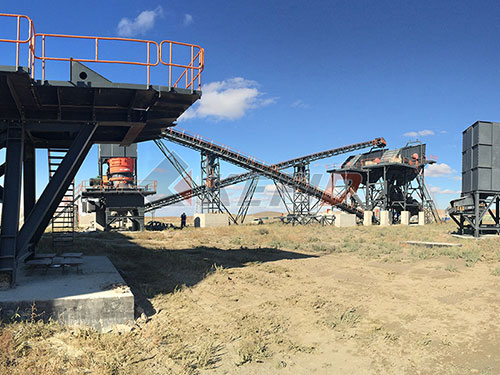
- Dust Control: Enclosed screens, negative pressure ventilation, and high-efficiency baghouse filters are standard. Water spray systems may be used for dust suppression, but they must be carefully controlled to avoid adding moisture.
- Noise Reduction: Vibrating screens are inherently noisy. Enclosures, rubber linings, and the use of polyurethane screen panels can reduce noise levels.
- Safety: Lockout/tagout procedures, guarding of moving parts, and proper training for maintenance personnel are essential. The risk of falling from heights during screen deck inspection must be mitigated with guardrails and safety harnesses.
Conclusion
The coke vibration screen processing plant is a sophisticated and critical component of any integrated steel mill or merchant coke producer. Its design and operation must balance the conflicting demands of high throughput, precise size classification, minimal product degradation, and long equipment life. By understanding the unique challenges posed by coke—its abrasiveness, brittleness, and moisture sensitivity—engineers can select the appropriate screen type, design the optimal process flow, and implement effective maintenance strategies. With the advent of smart sensors, variable frequency drives, and advanced screen media, the modern coke screening plant is becoming more efficient, reliable, and environmentally friendly. As the steel industry continues to demand higher quality coke for larger and more efficient blast furnaces, the role of the vibration screen processing plant will only grow in importance.
