
Title: Comprehensive Analysis of a RoHS Compliant Stone Quarry Crushing Plant: OEM Factory Standards, Design, and Operational Excellence
Introduction
In the modern era of industrial manufacturing and construction, the demand for high-quality aggregates has never been greater. Stone quarry crushing plants serve as the backbone of infrastructure development, producing essential materials such as gravel, sand, and crushed stone for roads, bridges, buildings, and concrete production. However, as global environmental regulations tighten and consumer awareness of hazardous substances increases, the concept of “RoHS compliance” has extended beyond electronics and consumer goods into heavy machinery and industrial equipment. A “RoHS Compliant Stone Quarry Crushing Plant OEM Factory” represents a convergence of environmental stewardship, engineering precision, and manufacturing reliability. This article provides a detailed, objective, and professional examination of what constitutes such a facility, its design principles, regulatory adherence, operational benefits, and the role of Original Equipment Manufacturer (OEM) factories in delivering these systems.
1. Understanding RoHS Compliance in the Context of Heavy Machinery
RoHS, short for the Restriction of Hazardous Substances Directive, originally emerged from the European Union (Directive 2002/95/EC and subsequent updates, including 2011/65/EU and 2015/863/EU). It restricts the use of six (and later ten) hazardous materials, including lead (Pb), mercury (Hg), cadmium (Cd), hexavalent chromium (Cr6+), polybrominated biphenyls (PBB), and polybrominated diphenyl ethers (PBDE), among others. While RoHS is most commonly associated with electrical and electronic equipment, its application to stone quarry crushing plants is increasingly relevant due to the integration of electrical control systems, motors, sensors, wiring, and electronic monitoring components.
A RoHS compliant stone quarry crushing plant ensures that all electrical and electronic subassemblies—such as programmable logic controllers (PLCs), variable frequency drives (VFDs), motor starters, control panels, and cabling—do not contain restricted substances above the maximum concentration values (MCVs). This compliance is not merely a legal checkbox; it reflects a commitment to reducing environmental pollution during manufacturing, operation, and end-of-life disposal. For an OEM factory, achieving RoHS compliance requires rigorous supply chain management, material testing, and documentation.
2. The Role of an OEM Factory in Stone Quarry Crushing Plants
An Original Equipment Manufacturer (OEM) factory specializing in stone quarry crushing plants designs, engineers, and produces complete crushing systems or key components under its own brand. Unlike generic assemblers or third-party resellers, an OEM factory possesses proprietary design capabilities, in-house manufacturing, and quality control processes. For a RoHS compliant stone quarry crushing plant, the OEM factory must integrate environmental compliance into every stage of production.
Key characteristics of a reputable OEM factory include:
3. Design and Engineering of a RoHS Compliant Crushing Plant
A typical stone quarry crushing plant consists of several stages: feeding, primary crushing, secondary crushing, screening, and material handling. Each stage involves mechanical and electrical components that must be evaluated for RoHS compliance.
3.1 Primary Crushing Unit
The primary crusher, often a jaw crusher or gyratory crusher, handles large boulders. While the mechanical structure is predominantly steel (which is inherently RoHS compliant if free from hazardous coatings), the electrical drive system—including the motor, starter, and control wiring—must use RoHS compliant components. For instance, the motor windings should be insulated with materials free from restricted phthalates, and the control panel should use lead-free solder.
3.2 Secondary and Tertiary Crushers
Cone crushers, impact crushers, and vertical shaft impactors (VSIs) are common in later stages. These machines often incorporate hydraulic systems, lubrication pumps, and electronic sensors for gap adjustment and overload protection. Hydraulic fluids and lubricants must be selected to avoid restricted substances, and all electronic sensors (e.g., temperature, vibration, and level sensors) must be RoHS certified.
3.3 Screening and Conveying Systems
Vibrating screens and belt conveyors are critical for material separation and transport. The screen decks may be made of polyurethane or rubber, which must be free from restricted flame retardants. Conveyor belt materials should also comply with RoHS, particularly if they contain plasticizers or stabilizers. Electrical components such as motorized pulleys, safety switches, and pull cords must be sourced from RoHS compliant suppliers.
3.4 Control and Automation Systems
Modern crushing plants rely heavily on automation. PLCs, HMIs (human-machine interfaces), VFDs, and remote monitoring systems are standard. These electronic devices are the primary focus of RoHS compliance. An OEM factory must ensure that all printed circuit boards (PCBs), connectors, and wiring harnesses meet the directive’s requirements. This often involves using lead-free soldering processes and selecting components from manufacturers who provide RoHS declarations.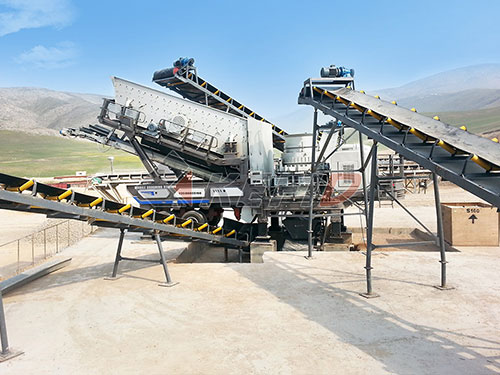
4. Regulatory and Certification Framework
For a stone quarry crushing plant to be marketed as RoHS compliant, the OEM factory must adhere to a structured certification process. This includes:
It is important to note that RoHS compliance does not apply to the entire machine if it contains no electrical or electronic components. However, modern crushing plants are heavily electrified, making full compliance necessary for market access in regions like the EU, UK, and increasingly in Asia and North America.
5. Benefits of RoHS Compliance for Quarry Operators
Investing in a RoHS compliant stone quarry crushing plant from an OEM factory offers several tangible advantages:
6. Challenges in Achieving RoHS Compliance for Crushing Plants
Despite the benefits, OEM factories face several challenges: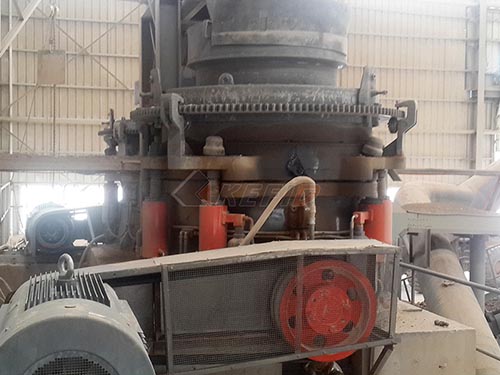
7. Case Study: A Hypothetical OEM Factory Implementation
Consider a mid-sized OEM factory in China specializing in mobile stone crushing plants. To achieve RoHS compliance, the factory undertakes the following steps:
The resulting crushing plant is marketed as “RoHS Compliant” and gains access to European and North American markets, where competitors without such certification face restrictions.
8. Future Trends and Innovations
The concept of RoHS compliance in heavy machinery is evolving. Future trends include:
Conclusion
A RoHS Compliant Stone Quarry Crushing Plant OEM Factory represents a sophisticated intersection of mechanical engineering, electrical systems design, and environmental regulation. By ensuring that all electrical and electronic components—and increasingly, mechanical and fluid systems—are free from restricted hazardous substances, these factories not only meet legal requirements but also contribute to safer workplaces, cleaner environments, and sustainable industrial practices. For quarry operators, choosing a RoHS compliant OEM factory is a strategic investment that enhances market access, reduces risk, and aligns with global trends toward greener construction and mining. As regulations continue to tighten and expand, the role of OEM factories in pioneering compliant, high-performance crushing solutions will only grow in importance.
If you have any questions about our products, please feel free to contact us. We take all inquiries and suggestions very seriously.