
Title: The Wholesale Stone Quarry Crushing Plant Exporter: A Comprehensive Guide to Global Sourcing and Operational Excellence
Introduction
In the global construction and infrastructure development sector, the demand for aggregates, sand, and crushed stone is insatiable. As nations invest heavily in highways, bridges, commercial real estate, and residential projects, the backbone of these developments relies on the efficient extraction and processing of raw materials. Central to this supply chain is the Wholesale Stone Quarry Crushing Plant Exporter. These entities serve as the critical bridge between heavy industrial manufacturing and the operational needs of quarry owners, mining companies, and construction contractors worldwide. This article provides a detailed examination of the role, operational scope, technological requirements, and strategic importance of wholesale exporters in the stone crushing industry.
Defining the Role of the Wholesale Exporter
A wholesale stone quarry crushing plant exporter is a specialized industrial supplier that manufactures, assembles, and distributes complete crushing and screening systems to international markets. Unlike local dealers who may focus on retail sales or single-unit transactions, wholesale exporters operate on a business-to-business (B2B) model, catering to large-scale quarry operations, aggregate producers, and government infrastructure projects.
The exporter’s role extends far beyond simply shipping machinery. It encompasses a comprehensive suite of services including feasibility studies, plant design, equipment customization, logistics management, installation supervision, and after-sales technical support. The “wholesale” designation implies the ability to supply entire production lines—from primary jaw crushers and secondary cone crushers to tertiary impact crushers, vibrating feeders, screens, and conveyor systems—often at a scale and price point that individual retail buyers cannot access.
The Technological Composition of a Modern Crushing Plant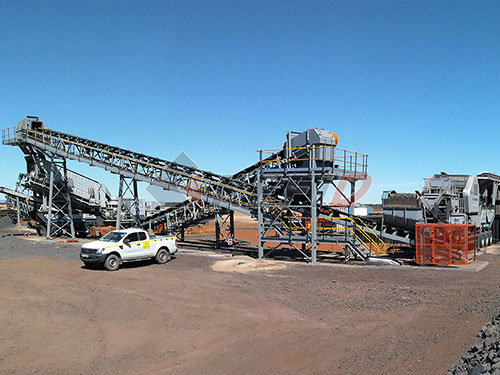
To understand the value proposition of a wholesale exporter, one must first appreciate the complexity of the machinery involved. A modern stone quarry crushing plant is an integrated system designed to reduce large rocks into smaller rocks, gravel, sand, or rock dust. The configuration of the plant depends heavily on the material’s hardness, abrasiveness, and the desired end-product specification.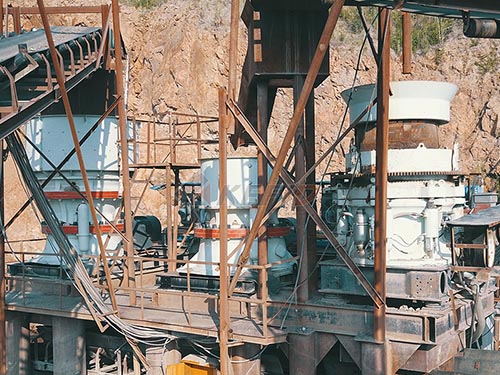
Primary Crushing Stage: This is typically handled by a jaw crusher or a gyratory crusher. These machines are designed to accept large feed sizes—sometimes exceeding one meter in diameter—and reduce them to a size suitable for conveyor transport. Jaw crushers are favored for their high reduction ratio and ability to handle hard, abrasive materials.
Secondary and Tertiary Crushing: For finer reduction, cone crushers (for hard rock) or impact crushers (for softer, less abrasive materials) are employed. The choice between these technologies significantly impacts the particle shape and gradation of the final aggregate. Wholesale exporters must provide both options and guide clients on the most cost-effective selection based on the quarry’s geological survey.
Screening and Classification: Vibrating screens are critical for separating crushed stone into various grades (e.g., 0-5mm, 5-10mm, 10-20mm). The efficiency of the screening process determines the quality of the final product and the operational cost per ton.
Auxiliary Equipment: Feeders, belt conveyors, dust suppression systems, and central control systems are integral to a seamless operation. A wholesale exporter must ensure that all components are compatible, durable, and compliant with international safety and environmental standards.
Key Considerations for Selecting a Wholesale Exporter
For quarry owners and project managers, selecting the right wholesale exporter is a strategic decision that impacts the long-term viability of their operation. Several factors distinguish a top-tier exporter from a mediocre one.
1. Customization and Engineering Capability
No two quarries are identical. The geological composition, terrain, and climate of a site in Southeast Asia differ vastly from one in South America or Africa. A reputable wholesale exporter does not sell “off-the-shelf” plants. Instead, they employ a team of mechanical and civil engineers who design a crushing circuit tailored to the client’s specific feed material and output requirements. This includes calculating the required throughput (tons per hour), selecting the correct crusher chamber geometry, and designing the foundation layout.
2. Manufacturing Quality and Durability
Crushing plants operate in extremely harsh environments. Equipment must withstand constant vibration, abrasive dust, and heavy loads. Wholesale exporters must utilize high-grade steel, robust bearings, and advanced wear-resistant materials (such as manganese steel or ceramic inserts) in their manufacturing processes. Exporters with their own foundries and CNC machining centers can better control quality and reduce lead times.
3. Logistics and Export Compliance
Shipping a complete crushing plant—which can weigh hundreds of tons and occupy thousands of cubic meters—requires sophisticated logistics. The exporter must manage containerization, break-bulk shipping, and customs documentation. Compliance with international standards such as CE (Europe), ISO (International), or EPA (USA) is non-negotiable for market access. A wholesale exporter with a dedicated export department can navigate these complexities, ensuring that equipment arrives at the port of destination without damage or delay.
4. After-Sales Support and Spare Parts Supply
The true cost of a crushing plant is not just the purchase price but the total cost of ownership. Downtime is the enemy of profitability. Therefore, a wholesale exporter must offer robust after-sales support. This includes:
Market Trends and the Future of Wholesale Exporting
The stone crushing industry is undergoing a significant transformation driven by environmental regulations and digitalization. Wholesale exporters must adapt to these trends to remain competitive.
1. Green Manufacturing and Sustainability
Quarries face increasing pressure to reduce dust, noise, and carbon emissions. Modern crushing plants are being designed with enclosed structures, water spray systems, and dust collectors. Furthermore, the shift toward electric-powered crushers (as opposed to diesel) is gaining traction in regions with reliable grid power. Wholesale exporters that prioritize energy-efficient motors and recyclable materials will have a competitive edge.
2. Modular and Mobile Solutions
While stationary plants are the norm for large-scale quarrying, there is a growing demand for mobile and semi-mobile crushing plants. These are particularly useful for construction projects with short timelines or for quarries that need to move frequently. Wholesale exporters are increasingly offering track-mounted and wheel-mounted units that can be transported on standard trailers.
3. Digital Integration and Automation
The concept of the “smart quarry” is becoming a reality. Automated control systems that adjust crusher settings in real-time based on feed size and load, as well as advanced telemetry that reports production data to a central dashboard, are now standard features in high-end plants. Exporters who integrate PLC (Programmable Logic Controller) systems and cloud-based analytics into their offerings provide significant value to clients seeking to optimize productivity.
The Strategic Advantage of Buying Wholesale
For buyers, engaging directly with a wholesale exporter eliminates middlemen, reducing costs by 15-30% compared to purchasing through local distributors. Furthermore, wholesale exporters often have the flexibility to bundle equipment—such as including a wheel loader or dump truck in the package—and can offer flexible payment terms, including letters of credit (L/C) and equipment financing partnerships.
However, buying wholesale also requires a higher level of technical competence from the buyer. The buyer must clearly articulate their needs and be prepared to handle the logistics of receiving a large shipment. This is why the most successful transactions occur when the exporter acts as a consultant, not just a vendor.
Conclusion
The Wholesale Stone Quarry Crushing Plant Exporter is a linchpin in the global construction materials supply chain. By providing integrated, high-capacity processing solutions, these exporters empower quarry operators to meet the world’s growing demand for aggregates. As the industry moves toward greater automation, environmental sustainability, and operational efficiency, the role of the exporter will continue to evolve. For quarry owners and investors, partnering with a reputable wholesale exporter is not merely a procurement decision; it is a strategic investment in the reliability and profitability of their entire operation. In an era of rapid infrastructure development, the expertise and machinery provided by these exporters will remain fundamental to building the foundations of modern society.
If you have any questions about our products, please feel free to contact us. We take all inquiries and suggestions very seriously.