
Understanding OEM 250–300 TPH Stone Crushing Plants: Features, Pricing Factors, and Buying Guide
In the aggregate, mining, and construction industries, the demand for reliable, high-capacity crushing equipment continues to grow. Among the most sought-after configurations is the OEM 250–300 TPH (tons per hour) stone crushing plant. This capacity range strikes an effective balance between production output and operational flexibility, making it suitable for mid-to-large-scale quarrying, road construction, concrete batching, and mineral processing projects. For buyers searching for the “best price,” however, it is essential to understand that price is not simply a number—it reflects engineering quality, component selection, customization, after-sales support, and long-term operating costs. This article provides a detailed, objective overview of OEM 250–300 TPH stone crushing plants, the factors that influence their price, and practical guidance for selecting the most cost-effective solution.
What Does “OEM” Mean in Stone Crushing Plants?
OEM stands for Original Equipment Manufacturer. In the context of crushing plants, an OEM is a company that designs, engineers, and manufactures the core equipment—such as jaw crushers, cone crushers, impact crushers, vibrating feeders, screens, and conveyors—under its own brand and specifications. When a buyer purchases an OEM plant, they are typically acquiring equipment built to the manufacturer’s standardized engineering standards, with genuine parts, documented performance parameters, and warranty coverage.
This differs from purchasing a generic or assembled plant from a trading company, where components may be sourced from multiple third-party suppliers with inconsistent quality control. OEM plants generally offer greater reliability, better compatibility between components, and more predictable maintenance schedules. However, OEM status alone does not guarantee the best price; buyers must evaluate the total value proposition.
Typical Configuration of a 250–300 TPH Stone Crushing Plant
A 250–300 TPH plant is usually designed as a multi-stage crushing and screening system. The exact configuration depends on the raw material (limestone, granite, basalt, river stone, etc.), feed size, desired product gradation, and site conditions. A common setup includes:
The 250–300 TPH capacity is typically achieved when processing medium-hard limestone with a bulk density of about 1.6 t/m³. For harder rocks like granite or basalt, the effective capacity may drop by 10–20%, and the plant may require higher-powered crushers.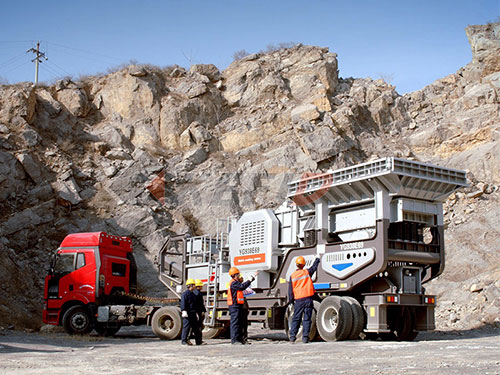
Key Factors That Determine the Best Price
When buyers search for the “best price” on an OEM 250–300 TPH stone crushing plant, they often encounter a wide range—from roughly USD 150,000 to USD 600,000 or more, depending on the following variables:
1. Raw Material Characteristics
Hardness, abrasiveness, moisture content, and feed size directly affect equipment selection. Hard, abrasive rock (e.g., granite, basalt) requires wear-resistant liners, higher crushing forces, and more robust bearings, increasing cost. Soft limestone allows lighter, less expensive components.
2. Equipment Brand and Quality
OEM brands with a strong reputation for durability and after-sales service typically charge more than lesser-known manufacturers. However, the lower initial price of a cheap plant may be offset by frequent breakdowns, costly spare parts, and downtime. The “best price” is therefore not the lowest purchase price but the lowest cost per ton of production over the plant’s life.
3. Degree of Automation
Manual control panels are cheaper; PLC-based automation with touch screens, remote monitoring, and fault diagnostics adds cost but improves efficiency and reduces labor. For a 250–300 TPH plant, automation is often worth the investment.
4. Customization and Site Layout
Standard, containerized, or modular designs are more cost-effective. Custom layouts for limited space, mobile or semi-mobile configurations, or special structural requirements increase engineering and fabrication costs.
5. Component Suppliers
The use of premium components—such as Siemens motors, SKF bearings, Schneider electrics, or Hardox wear plates—raises the price but enhances reliability. Buyers should ask for a detailed component list to compare apples to apples.
6. Shipping, Installation, and Training
OEMs may quote FOB, CIF, or turnkey prices. Turnkey includes installation, commissioning, and operator training, which adds 10–20% to the total but reduces the buyer’s risk. For remote sites, logistics can be a significant cost.
7. Warranty and After-Sales Support
A longer warranty (e.g., 24 months vs. 12 months) and guaranteed spare parts availability often justify a higher initial price. Some OEMs offer performance guarantees, which are valuable for critical projects.
How to Evaluate Whether a Price Is “Best”
To determine if a quoted price is truly the best for your project, consider the following metrics: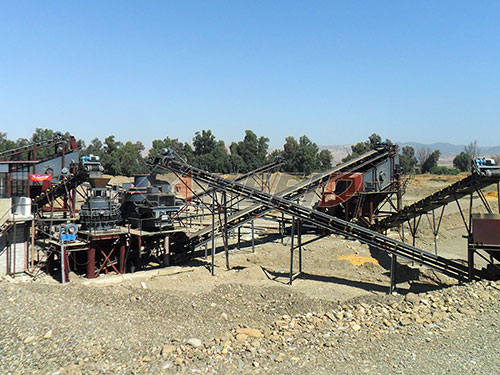
Typical Price Ranges (Indicative Only)
As of recent market conditions, an OEM 250–300 TPH stationary stone crushing plant with standard configuration (jaw + cone + screen + conveyors, manual or basic PLC control) may range from:
Mobile or semi-mobile versions typically cost 20–40% more. Prices also fluctuate with steel prices, shipping costs, and exchange rates.
Questions to Ask Before Buying
Conclusion
The search for an OEM 250–300 TPH stone crushing plant at the best price requires a shift from chasing the lowest quote to evaluating total value. The best price is the one that delivers reliable production, low downtime, efficient energy use, and strong after-sales support over the plant’s lifetime. Buyers should request detailed technical proposals, compare component lists, visit reference sites if possible, and negotiate on total cost of ownership rather than just the initial invoice. By doing so, they can secure a crushing plant that not only meets their capacity requirements but also maximizes return on investment for years to come.
If you have any questions about our products, please feel free to contact us. We take all inquiries and suggestions very seriously.