Title: Sustainable Jc5000 Jaw Crusher Dealers: A Comprehensive Analysis of Eco-Friendly Crushing Solutions
Introduction
The global mining and construction industries are under increasing pressure to adopt sustainable practices. As environmental regulations tighten and corporate social responsibility (CSR) becomes a core business metric, equipment manufacturers and dealers are pivoting toward greener technologies. Among the critical machinery in these sectors is the jaw crusher, a primary crushing device used for reducing large rocks into smaller, manageable aggregates. The JC5000 jaw crusher, a mid-to-large capacity model known for its robust design and high throughput, has become a focal point for sustainability initiatives. This article provides a professional, objective examination of sustainable JC5000 jaw crusher dealers, exploring what constitutes a sustainable dealer, the environmental and economic benefits of such partnerships, and how to identify and evaluate these dealers in a competitive market.
1. Defining Sustainability in the Context of Jaw Crusher Dealers
Sustainability in heavy machinery dealerships extends beyond simply selling equipment with lower emissions. A truly sustainable JC5000 jaw crusher dealer integrates environmental, social, and economic considerations into every facet of their operations. This includes:
- Product Lifecycle Management: Offering machines designed for longevity, ease of repair, and eventual recyclability. Sustainable dealers prioritize models with high wear-part durability and modular designs that reduce the need for complete replacements.
- Energy Efficiency: Promoting JC5000 models that incorporate energy-saving technologies, such as variable frequency drives (VFDs), optimized crushing chambers, and hydraulic systems that reduce power consumption per ton of material processed.
- Emissions and Noise Control: Ensuring that the JC5000 units they sell comply with or exceed local and international emission standards (e.g., Tier 4 Final, Stage V). They also offer noise-dampening solutions and dust suppression systems to minimize environmental impact.
- Circular Economy Practices: Implementing take-back programs for worn-out parts, offering refurbished or remanufactured components, and facilitating the recycling of scrap metal from decommissioned crushers.
- Supply Chain Transparency: Sourcing parts from manufacturers that adhere to ethical labor practices and environmental standards. Sustainable dealers audit their supply chains to ensure compliance.
2. The JC5000 Jaw Crusher: A Technical Overview for Sustainability
To understand the role of sustainable dealers, one must first appreciate the JC5000’s design. Typically, the JC5000 is a heavy-duty jaw crusher with a feed opening of approximately 1,200 mm x 1,000 mm, capable of processing up to 500–600 tons per hour, depending on material hardness and settings. Key sustainable features often highlighted by responsible dealers include: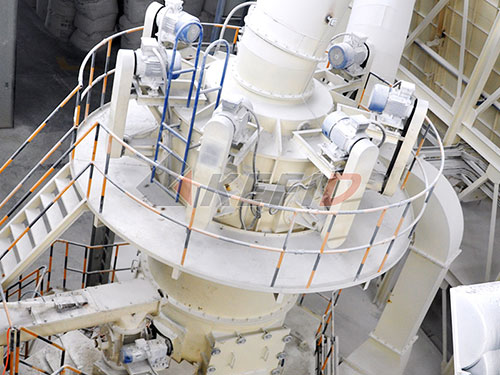
- High Reduction Ratio: The JC5000’s deep, symmetrical crushing chamber allows for a higher reduction ratio (often 6:1 or more), reducing the number of passes required and thus lowering energy consumption.
- Hydraulic Adjustment Systems: Modern JC5000 models feature hydraulic wedge adjustment for closed side setting (CSS), which reduces downtime and manual labor. This precision also ensures consistent product size, minimizing waste.
- Wear Part Longevity: Premium manganese steel jaw plates and toggle plates are designed to last longer, reducing the frequency of replacements and the associated environmental cost of manufacturing and shipping new parts.
- Modular Frame Construction: Many JC5000 units are built with bolted, modular frames that can be disassembled and relocated, extending the machine’s useful life across multiple projects and reducing the need for new manufacturing.
3. The Role of Sustainable Dealers in the Value Chain
A sustainable JC5000 dealer is not merely a distributor; they are a partner in environmental stewardship. Their responsibilities include:
- Education and Consultation: They advise clients on optimal machine sizing and configuration to avoid oversizing (which wastes energy) or undersizing (which causes excessive wear and downtime). They also provide guidance on site layout to minimize material handling distances.
- Lifecycle Cost Analysis (LCA): Instead of focusing solely on purchase price, sustainable dealers present total cost of ownership (TCO) models that account for energy costs, maintenance intervals, spare parts consumption, and end-of-life disposal. This transparency helps clients make economically and environmentally sound decisions.
- Aftermarket Support for Sustainability: They offer remanufactured components (e.g., rebuilt bearings, reconditioned hydraulic cylinders) that consume less energy and raw materials than new parts. They also provide on-site maintenance training to extend equipment life.
- Digital Monitoring and Optimization: Many sustainable dealers now offer telematics systems that monitor fuel consumption, load cycles, and wear patterns in real time. This data allows operators to optimize crusher settings, reduce idle time, and schedule maintenance proactively, all of which contribute to lower carbon footprints.
4. Economic Benefits of Partnering with Sustainable Dealers
Contrary to the misconception that sustainability comes at a premium, working with a sustainable JC5000 dealer often yields significant economic advantages:
- Reduced Operating Costs: Energy-efficient crushers and optimized maintenance schedules directly lower electricity or diesel bills. For example, a JC5000 with a VFD can reduce energy consumption by 15–20% compared to a fixed-speed model.
- Lower Downtime Costs: Sustainable dealers prioritize reliability and rapid parts availability. By stocking genuine, high-quality wear parts and offering predictive maintenance services, they minimize unplanned shutdowns, which can cost thousands of dollars per hour in lost production.
- Regulatory Compliance and Incentives: In many jurisdictions, using energy-efficient or low-emission equipment qualifies for tax credits, grants, or preferential permitting. Sustainable dealers help clients navigate these incentives, improving project ROI.
- Resale Value: Well-maintained, sustainably operated JC5000 crushers retain higher resale value. Dealers that offer certified pre-owned programs with full service histories provide a premium product in the secondary market.
5. How to Identify a Genuinely Sustainable JC5000 Dealer
Not all dealers claiming to be “green” are truly sustainable. To separate authentic operators from those engaging in greenwashing, consider the following objective criteria:
- Certifications and Standards: Look for dealers with ISO 14001 (Environmental Management), ISO 50001 (Energy Management), or OHSAS 18001/ISO 45001 (Occupational Health and Safety). These certifications require third-party audits and continuous improvement.
- Transparent Reporting: A sustainable dealer should publish annual sustainability reports detailing their carbon footprint, waste reduction targets, and community engagement. They should be willing to share data on the energy efficiency of the JC5000 models they sell.
- Partnerships with Eco-Conscious Manufacturers: Dealers that exclusively represent manufacturers with strong environmental records (e.g., those using recycled steel in castings, or those with zero-waste factories) are more likely to be sustainable themselves.
- Customer Testimonials and Case Studies: Request references from clients who have used the dealer’s sustainability services. Look for evidence of reduced energy consumption, lower parts consumption, or successful recycling programs.
- Innovation in Service Offerings: Sustainable dealers often invest in mobile service units that reduce travel emissions, offer remote diagnostics to avoid unnecessary site visits, and provide training on eco-friendly operating techniques.
6. Challenges and Considerations for Sustainable Dealerships
While the benefits are clear, sustainable JC5000 dealers face several challenges:
- Higher Initial Costs: Energy-efficient components (e.g., premium motors, advanced hydraulics) and telematics systems increase the upfront price of the crusher. Dealers must effectively communicate the long-term payback period.
- Market Education: Many buyers still prioritize lowest purchase price over TCO. Sustainable dealers must invest in educating customers about lifecycle costs and environmental risks.
- Supply Chain Complexity: Ensuring that every component—from bearings to hydraulic hoses—is sourced sustainably requires rigorous supplier management and may limit sourcing flexibility.
- Regional Variations: Sustainability standards differ globally. A dealer operating in Europe may face stricter regulations than one in a developing market, making it challenging to maintain consistent practices across regions.
7. The Future of Sustainable JC5000 Dealerships
The trend toward sustainability in heavy equipment is irreversible. Future JC5000 dealers will likely incorporate:
- Electric and Hybrid Drives: As battery technology advances, dealers will offer fully electric or hybrid JC5000 models for stationary and semi-mobile applications, drastically reducing on-site emissions.
- Artificial Intelligence (AI) for Optimization: AI-driven crusher automation will optimize feed rates, CSS adjustments, and power usage in real time, further reducing energy waste.
- Blockchain for Parts Traceability: Dealers may use blockchain to verify the origin and sustainability of every component, providing immutable proof of ethical sourcing.
- Circular Business Models: Instead of selling crushers outright, dealers may offer “crushing as a service” (CaaS), where they retain ownership and responsibility for maintenance, upgrades, and end-of-life recycling.
Conclusion
Sustainable JC5000 jaw crusher dealers represent a critical evolution in the mining and construction supply chain. By prioritizing energy efficiency, lifecycle management, and circular economy principles, these dealers not only reduce environmental harm but also deliver tangible economic benefits to their clients. However, genuine sustainability requires more than marketing claims—it demands verifiable certifications, transparent reporting, and a commitment to continuous improvement. For buyers seeking to align their operations with global sustainability goals, partnering with a reputable, eco-conscious JC5000 dealer is not just a responsible choice; it is a strategic one that enhances profitability, compliance, and long-term resilience. As the industry moves toward a net-zero future, the role of these dealers will only grow in importance, making them indispensable partners in the quest for sustainable resource extraction and infrastructure development.
