Wholesale 250–300 TPH Stone Crushing Plant: Competitive Pricing in a Demanding Market
In the aggregate, mining, and construction industries, the demand for efficient, high-capacity stone crushing solutions has never been greater. As infrastructure projects expand and urbanization accelerates worldwide, operators require equipment that can deliver consistent output, minimal downtime, and long-term reliability. Among the most sought-after configurations is the 250–300 TPH (tons per hour) stone crushing plant. When sourced at wholesale, with competitive pricing, this capacity range offers an exceptional balance between productivity and capital investment. This article provides a detailed, objective analysis of what a 250–300 TPH stone crushing plant entails, the factors that influence wholesale pricing, key technical considerations, and how to evaluate suppliers to secure the best value.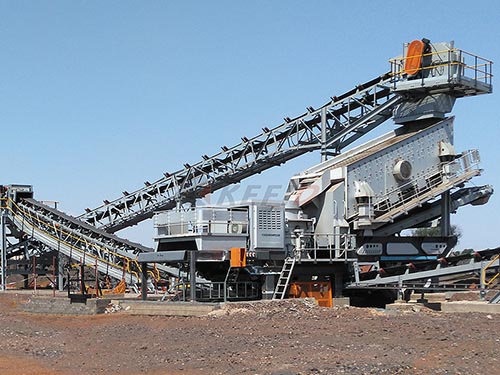
Understanding the 250–300 TPH Capacity Range
A 250–300 TPH stone crushing plant is classified as a medium-to-large-scale stationary or mobile processing facility. It is designed to reduce various raw materials—such as granite, basalt, limestone, river stone, andesite, and construction waste—into specified aggregate sizes for applications including concrete production, asphalt mixing, road base, and railway ballast.
The nominal capacity of 250–300 TPH refers to the throughput of finished product under optimal conditions. Actual output depends on factors such as feed size, material hardness, moisture content, and the specific configuration of crushers and screens. This capacity range is particularly popular among quarry operators who need to supply regional markets without the massive capital expenditure associated with 500+ TPH plants, yet require more output than smaller 100–150 TPH units can provide.
Typical Process Flow and Equipment Configuration
A standard 250–300 TPH stone crushing plant follows a multi-stage reduction process. While configurations vary by application, a common setup includes:
- Vibrating Feeder (e.g., ZSW 490×110 or similar): Ensures uniform material feed to the primary crusher, preventing overload and extending equipment life.
- Primary Jaw Crusher (e.g., PE 750×1060 or PE 900×1200): Handles large feed sizes (up to 600–800 mm) and performs initial coarse crushing. Jaw crushers are preferred for hard, abrasive materials due to their robust construction and high reduction ratio.
- Secondary Impact or Cone Crusher: For medium-hard to hard rock, a cone crusher (e.g., CS 160 or HPC 220) provides excellent shape and capacity. For softer materials like limestone, an impact crusher (e.g., PF 1214 or PFW 1315) may be more cost-effective and produce a better cubical product.
- Vibrating Screen (e.g., 3YK 2160 or 4YK 2160): Classifies crushed material into multiple sizes (e.g., 0–5 mm, 5–10 mm, 10–20 mm, 20–40 mm). Multi-deck screens are essential for product diversification.
- Belt Conveyors: Transfer material between stages. The total length and width depend on layout and capacity.
- Control System: PLC-based automation for monitoring feed rate, crusher load, and fault detection.
Optional equipment includes dust suppression systems, magnetic separators for removing tramp iron, and sand washing units if manufactured sand is required.
Wholesale Pricing: What Determines Cost?
The term “wholesale” in the context of stone crushing plants typically refers to direct-from-manufacturer or bulk purchasing arrangements, bypassing distributors or intermediaries. Competitive pricing for a 250–300 TPH plant can range significantly—from approximately USD 150,000 to USD 500,000 or more—depending on the following factors:
- Configuration and Equipment Quality: A plant using high-chrome blow bars, heavy-duty jaw plates, and premium bearings will cost more upfront but reduce downtime and maintenance costs over the plant’s 10–20 year lifespan.
- Brand Reputation: Established manufacturers with proven track records often command higher prices, but their equipment typically offers better after-sales support and spare parts availability.
- Automation Level: Fully automated plants with remote monitoring and centralized control systems cost 15–30% more than manual or semi-automatic versions.
- Material of Construction: Standard carbon steel frames versus stress-relieved, reinforced structures affect both durability and price.
- Logistics and Installation: Wholesale pricing may or may not include shipping, foundation design, erection, and commissioning. Always clarify Incoterms (FOB, CIF, EXW) and whether technical supervision is included.
- Customization: Non-standard feed sizes, special discharge requirements, or integration with existing conveyors add engineering costs.
When comparing wholesale quotes, it is critical to normalize the scope of supply. A lower price may exclude critical components such as motors, starters, or control panels, leading to hidden costs later.
Key Technical Considerations for Optimal Performance
To achieve the rated 250–300 TPH capacity consistently, several technical parameters must be carefully matched:
- Feed Size Distribution: The primary crusher’s feed opening must be at least 10–20% larger than the largest lump to prevent bridging. For a 300 TPH plant, a jaw crusher with a 900×1200 mm opening is often suitable for feed sizes up to 750 mm.
- Reduction Ratio Management: Over-reducing in the primary stage increases wear and energy consumption. A typical three-stage crushing (jaw → cone → cone or impact) achieves a final product of 0–40 mm with minimal fines.
- Screen Efficiency: Screening area must be sufficient to handle the circulating load. Undersized screens cause bottlenecks and recirculation, reducing net output.
- Crusher Chamber Selection: For cone crushers, the choice between coarse, medium, and fine chambers directly impacts capacity and product gradation. A 250 TPH cone crusher may only deliver 180 TPH if the wrong chamber is installed.
- Moisture and Stickiness: High-moisture feed (above 8–10%) can blind screens and choke crushers. Pre-screening or adding a grizzly feeder can mitigate this.
Evaluating Wholesale Suppliers: A Checklist
To secure a competitive price without compromising quality, buyers should evaluate suppliers against the following criteria:
- Manufacturing Capability: Does the supplier own its foundry, machining, and assembly facilities, or are they a trading company? Direct manufacturers typically offer better wholesale pricing and faster spare parts service.
- Reference Projects: Request contacts for similar 250–300 TPH installations. Ask about actual throughput, downtime, and wear part life.
- Warranty and After-Sales: A minimum 12-month warranty on major components is standard. Check whether the supplier provides on-site installation supervision, operator training, and 24/7 technical support.
- Spare Parts Availability: Critical wear parts (jaw plates, cone liners, blow bars, screen meshes) should be available within 48–72 hours. Delays in sourcing these can cost thousands of dollars per day in lost production.
- Compliance and Certification: CE, ISO 9001, and local safety certifications may be required depending on the destination country.
- Total Cost of Ownership (TCO): Calculate not only the purchase price but also energy consumption (kW per ton), wear part cost per ton, and expected maintenance intervals. A slightly higher initial price often yields a lower TCO.
Market Trends and Competitive Pricing Dynamics
The global market for stone crushing equipment has become increasingly competitive, particularly with strong manufacturing bases in China, Turkey, India, and Europe. Wholesale pricing has benefited from:
- Economies of Scale: Large manufacturers producing dozens of units per month can spread fixed costs over more units.
- Standardization: Modular designs allow faster assembly and lower engineering costs.
- Digital Quoting: Online platforms and direct factory sales reduce intermediary markups.
However, buyers should be wary of abnormally low prices, which may indicate:
- Use of recycled or low-grade steel in critical components.
- Omission of safety guards, dust covers, or proper guarding.
- Lack of testing before shipment.
- Poor documentation and no genuine warranty.
Conclusion
A wholesale 250–300 TPH stone crushing plant represents a strategic investment for quarry and construction operators seeking high productivity at a competitive price point. The key to securing the best value lies in understanding the technical requirements, normalizing supplier quotes, and prioritizing total cost of ownership over the lowest initial bid. By focusing on reputable manufacturers, proven configurations, and comprehensive after-sales support, buyers can achieve a reliable, efficient crushing operation that delivers consistent returns for years. As global demand for aggregates continues to rise, the 250–300 TPH range will remain a cornerstone of medium-to-large-scale stone processing—and wholesale pricing, when negotiated transparently, makes this capacity accessible to a broader range of operators.
