
Stone Crusher Machine Wholesaler Customization: A Comprehensive Guide for Aggregate and Mining Professionals
Introduction
In the aggregate production, mining, construction, and recycling industries, stone crushing equipment forms the backbone of material processing operations. While standard, off-the-shelf crushers serve many general applications, a growing number of enterprises are turning to wholesaler customization to obtain machines tailored precisely to their operational demands. This article examines the concept of stone crusher machine wholesaler customization, its technical foundations, business advantages, key customization parameters, and the factors that buyers should consider when selecting a wholesale partner capable of delivering bespoke solutions.
Defining Wholesaler Customization
Wholesaler customization refers to the practice whereby a manufacturer or wholesale supplier modifies the design, configuration, or performance parameters of a stone crusher to meet a client’s specific requirements. Unlike retail-level customization, which often involves minor cosmetic or attachment changes, wholesale customization typically encompasses engineering-level adjustments: changes to the crushing chamber geometry, throughput capacity, motor power, wear-part metallurgy, control systems, and even the structural frame of the machine.
This model differs from pure custom manufacturing in that the wholesaler already possesses a proven base platform—such as a jaw crusher, cone crusher, impact crusher, or hammer crusher—and adapts it rather than designing from a blank slate. The result is a machine that retains the reliability of a standardized product while delivering application-specific performance.
Why Customization Matters in Stone Crushing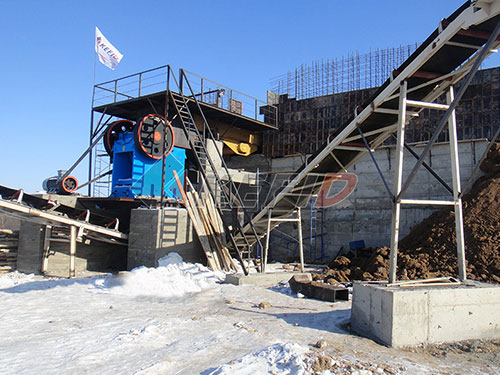
Stone crushing is not a uniform process. The variables involved are numerous: feed material hardness (from soft limestone to abrasive granite and basalt), moisture content, feed size, desired product gradation, throughput targets, and site conditions. A crusher optimized for one set of conditions may underperform or incur excessive wear in another.
For example, a quarry producing railway ballast requires a tight, cubical product shape with minimal fines. A recycling operation processing demolition waste needs a machine resistant to tramp metal and rebar. A mining operation crushing copper ore may prioritize throughput and reduction ratio over product shape. Standard crushers can handle many of these tasks, but customization allows the equipment to operate at peak efficiency, reducing energy consumption per ton and extending service life.
Key Customization Parameters
Wholesale customization of stone crushers generally addresses several technical dimensions:
Crushing Chamber Design: The geometry of the crushing chamber—whether in a jaw, cone, or impact crusher—determines the reduction ratio, capacity, and product shape. Custom liners and chamber profiles can be engineered for specific feed sizes and output requirements.
Throughput Capacity: By adjusting eccentric throw, stroke, speed, and motor power, wholesalers can tune a crusher to deliver a precise ton-per-hour range, avoiding the inefficiency of oversized or undersized equipment.
Wear Part Material: Manganese steel, chrome alloy, and ceramic-inserted wear parts offer different balances of cost, hardness, and toughness. Customization allows the selection of metallurgy matched to the abrasiveness of the feed material.
Drive and Power Configuration: Electric motor, diesel engine, or hydraulic drive systems can be specified according to site power availability and mobility requirements. Variable frequency drives may be added for precise speed control.
Automation and Control: Modern crushers increasingly incorporate PLC-based control systems with remote monitoring, automatic gap adjustment, and overload protection. Wholesalers can integrate these features to match a client’s existing plant control architecture.
Mobility and Mounting: Customization may include skid-mounted, trailer-mounted, or track-mounted configurations for portable or semi-mobile operations.
Material Handling Interfaces: Feed hoppers, discharge conveyors, and magnetic separators can be sized and positioned to integrate seamlessly with upstream and downstream equipment.
The Wholesale Advantage
Purchasing customized crushers through a wholesaler, rather than directly from a manufacturer or through a dealer, offers distinct advantages. Wholesalers typically maintain relationships with multiple manufacturers and component suppliers, giving them flexibility in sourcing. They can often achieve economies of scale on base units and pass cost savings to buyers. Moreover, experienced wholesalers employ engineers who understand both the equipment and the application, acting as intermediaries who translate operational needs into technical specifications.
For buyers purchasing multiple units—such as a crushing plant with primary, secondary, and tertiary stages—wholesaler customization ensures interoperability. The wholesaler can coordinate chamber designs, discharge settings, and control systems across the entire circuit, optimizing the plant as a system rather than a collection of individual machines.
Technical Considerations in Customization
Customizing a stone crusher is not merely a matter of selecting options from a catalog. It requires a rigorous engineering process:
Economic and Operational Benefits
The primary motivation for customization is economic. A crusher tailored to the application can deliver:
Challenges and Risk Management
Customization is not without risks. Longer lead times, higher upfront costs, and the potential for design errors are real concerns. To mitigate these risks, buyers should:
Selecting the Right Wholesale Partner
Not all wholesalers are equipped to handle customization. The ideal partner should possess:
Future Trends in Crusher Customization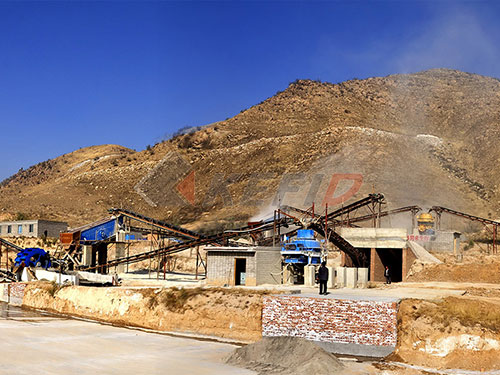
Several trends are shaping the future of stone crusher customization. Digitalization is enabling remote diagnostics and predictive maintenance, allowing wholesalers to offer performance-based service contracts. Modular design is making customization faster and less expensive, as standardized interfaces allow quick swapping of chambers, drives, and control modules. Sustainability concerns are driving demand for energy-efficient crushers and wear parts with longer service lives. Finally, the rise of electric and hybrid drives is opening new possibilities for customized power configurations, particularly in underground mining and urban recycling.
Conclusion
Stone crusher machine wholesaler customization represents a strategic approach to equipment procurement that aligns machinery performance with specific operational realities. By leveraging the engineering resources and sourcing flexibility of a capable wholesaler, businesses can obtain crushers that deliver higher productivity, lower operating costs, and superior product quality. While customization demands careful planning and a rigorous selection process, the long-term benefits—measured in tons produced, energy saved, and downtime avoided—typically justify the investment. As industries continue to demand greater efficiency and sustainability, the role of the customized crusher, delivered through expert wholesale channels, is set to expand.
For buyers, the key is to view the crusher not as a commodity but as a critical component of a larger production system. When that perspective is combined with a wholesaler’s technical expertise, customization becomes not a luxury but a competitive necessity.
If you have any questions about our products, please feel free to contact us. We take all inquiries and suggestions very seriously.