Sustainable Stone Quarry Crushing Plant Importers: Navigating Environmental Compliance, Operational Efficiency, and Global Supply Chains
Introduction
The global construction and infrastructure sectors are undergoing a paradigm shift, driven by two seemingly contradictory forces: an unprecedented demand for aggregate materials (crushed stone, sand, and gravel) and a stringent regulatory push toward environmental sustainability. At the epicenter of this tension lies the stone quarry crushing plant—a complex assembly of crushers, screens, conveyors, and washing systems that transforms raw rock into usable construction aggregate. For importers of these heavy machinery systems, the term “sustainable” is no longer a marketing buzzword but a technical, legal, and financial imperative. This article provides a comprehensive, professional analysis of the role, challenges, and strategic considerations for importers of sustainable stone quarry crushing plants, covering regulatory frameworks, technology selection, supply chain logistics, lifecycle assessment, and future market trends.
1. Defining “Sustainable” in the Context of Quarry Crushing Plants
Sustainability in quarry crushing operations extends far beyond reducing CO₂ emissions. For an importer, a sustainable crushing plant must satisfy a multi-dimensional criteria set: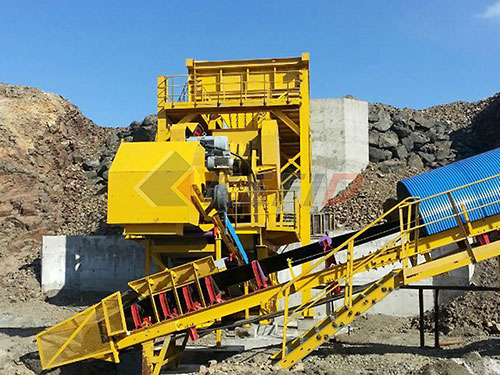
- Environmental Dimension: Minimization of dust emissions (PM10 and PM2.5), noise pollution, water consumption, and energy intensity per ton of crushed material. It also includes the use of closed-loop water systems and the reduction of virgin material waste through recycling capabilities.
- Economic Dimension: Long-term operational cost efficiency, including lower fuel/electricity consumption, reduced wear part replacement frequency, and higher uptime. A sustainable plant must be economically viable over a 15–20 year lifespan.
- Social Dimension: Compliance with local labor safety standards, reduced operator exposure to hazardous dust, and community acceptance through lower visual and acoustic impact.
- Circular Economy Dimension: The ability to process recycled concrete and asphalt (RAP) alongside virgin stone, thereby closing the material loop.
Importers must therefore evaluate suppliers not only on machine specifications but on the entire ecosystem of the plant—from primary jaw crushers to tertiary vertical shaft impactors (VSI)—as an integrated system designed for minimal environmental footprint.
2. The Regulatory Landscape: A Patchwork of Global Standards
Importers operate in a complex regulatory environment that varies significantly by destination market. Key frameworks include:
- European Union (EU): The EU’s Industrial Emissions Directive (IED) and the Best Available Techniques (BAT) Reference Document for the Management of Waste from Extractive Industries set strict limits on dust and noise. Additionally, the EU’s Carbon Border Adjustment Mechanism (CBAM), while initially targeting cement and steel, is expected to expand to aggregates, meaning importers must track the embedded carbon of their machinery.
- United States: The Environmental Protection Agency (EPA) regulates fugitive dust under the Clean Air Act, while state-level agencies (e.g., California’s CARB) impose even stricter diesel engine emission standards for mobile crushing units. Importers must ensure Tier 4 Final or equivalent engine compliance.
- Middle East and North Africa (MENA): Countries like Saudi Arabia and the UAE are rapidly adopting green building codes (e.g., Estidama in Abu Dhabi). Importers face requirements for water recycling in arid regions, where dust suppression is critical.
- Asia-Pacific: China’s “Blue Sky” campaign and India’s Central Pollution Control Board (CPCB) guidelines mandate the installation of dust extraction systems and water sprinklers. Importers must also navigate local content requirements and customs tariffs on “green” machinery.
A professional importer must conduct a pre-import regulatory audit, including environmental impact assessments (EIA) for the end-user site, and ensure that the plant’s design allows for retrofitting of future emission controls.
3. Technology Selection: Core Components of a Sustainable Plant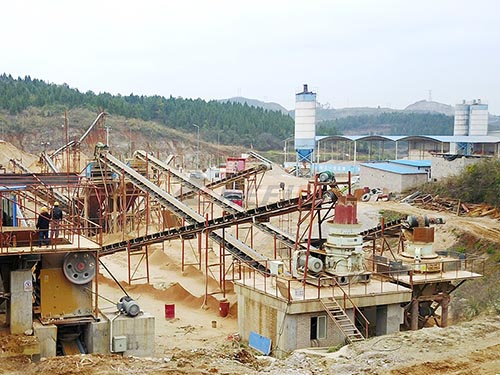
The choice of crushing technology directly determines sustainability metrics. Importers should prioritize the following:
- Primary Crushing (Jaw & Gyratory Crushers): Modern hydraulic jaw crushers with variable speed drives (VSD) reduce energy consumption by up to 15% compared to fixed-speed models. Look for crushers with “smart” load-sensing systems that automatically adjust the closed side setting (CSS) to optimize throughput while minimizing recirculation loads.
- Secondary & Tertiary Crushing (Cone & Impact Crushers): High-pressure grinding rolls (HPGR) and vertical shaft impactors (VSI) with rock-on-rock crushing reduce wear part consumption and produce better-shaped aggregates, reducing the need for additional washing. Importers should specify crushers with ceramic wear liners and oil-lubricated bearings to lower maintenance frequency.
- Screening & Classification: High-frequency vibrating screens with polyurethane mesh panels reduce blinding and require less water for washing. For wet processing, hydrocyclones and dewatering screens enable water recovery rates of over 90%, essential for drought-prone regions.
- Dust Suppression Systems: A sustainable plant must integrate dry fog systems, baghouse filters, or electrostatic precipitators. Importers should verify that the supplier provides a complete dust management plan, not just a bolt-on spray bar.
- Energy Source: Hybrid or fully electric plants (using grid power or on-site solar) are increasingly preferred over diesel-hydraulic units. For remote sites, consider mobile crushers with battery-electric drives and regenerative braking on conveyors.
4. Supply Chain and Logistics: The Importer’s Strategic Role
Importing a crushing plant is a capital-intensive, high-logistics operation. Key considerations include:
- Sourcing and Supplier Audits: Importers must conduct factory audits of manufacturers (e.g., Metso Outotec, Sandvik, Terex, or Chinese OEMs like Sany and Zoomlion) to verify ISO 14001 (environmental management) and ISO 45001 (occupational health) certifications. A supplier’s own supply chain—e.g., sourcing of steel from low-carbon mills—affects the plant’s embedded carbon footprint.
- Shipping and Breakbulk Cargo: Crushing plants are often shipped as breakbulk or project cargo, requiring specialized heavy-lift vessels. Importers must plan for port infrastructure capable of handling 40-ton crusher components. Sustainable logistics include using rail over road for inland transport and optimizing container loading to reduce voyages.
- Customs and Tariffs: Many countries offer reduced import duties for “environmentally friendly” machinery. For example, India’s GST rate on crushing equipment is 18%, but certain green technology components may qualify for concessional rates. Importers must work with customs brokers to classify equipment under HS codes 8474 (machinery for sorting, screening, separating, washing, crushing) and ensure compliance with local certification (e.g., CE marking for EU, EAC for Eurasian Economic Union).
- Lead Time and Inventory: Sustainable plants often require longer lead times due to custom engineering for dust control. Importers should maintain a buffer stock of critical wear parts (e.g., manganese liners) to avoid downtime, which indirectly reduces the carbon footprint per ton of output.
5. Lifecycle Assessment (LCA) and Total Cost of Ownership (TCO)
A truly sustainable import decision is based on LCA, not just purchase price. Importers must calculate:
- Manufacturing Phase: The carbon footprint of producing the steel and components. A plant made with 30% recycled steel has a significantly lower embodied carbon.
- Transportation Phase: Emissions from shipping and inland haulage. Importers can offset by choosing suppliers closer to the destination or using carbon-neutral shipping options.
- Operational Phase (10–20 years): This dominates the LCA. Key metrics include specific energy consumption (kWh per ton), water usage (liters per ton), and wear part replacement rate (kg per ton). A high-efficiency plant may cost 20% more upfront but save 30% in energy costs over its life.
- End-of-Life Phase: Design for disassembly and recyclability. Importers should contract suppliers that offer buy-back or component remanufacturing programs.
A professional TCO model must include the cost of environmental compliance (permits, monitoring, penalties for non-compliance), which can be substantial in jurisdictions with active enforcement.
6. Case Study: Importing a Sustainable Plant for a Middle East Quarry
Consider a hypothetical importer sourcing a 500-ton-per-hour stationary crushing plant for a limestone quarry in Oman. The importer selects a European manufacturer with a hybrid electric drive, a closed-loop water system, and a baghouse filter. Key decisions include:
- Regulatory: Oman’s Ministry of Environment requires a dust emission limit of 50 mg/Nm³. The selected plant achieves 30 mg/Nm³, providing a compliance buffer.
- Logistics: The plant is shipped in 12 breakbulk packages from Rotterdam to Sohar Port, then transported by heavy-haul trucks. The importer uses a logistics provider with ISO 14064-certified carbon accounting.
- Operational: The plant’s VSI crusher reduces the need for a separate washing unit, saving 200,000 liters of water per day. Solar panels on the plant’s canopy provide 15% of auxiliary power.
- Financial: The total landed cost is $8.5 million, but the TCO over 15 years is 18% lower than a conventional diesel plant due to fuel savings and reduced water trucking costs.
7. Challenges and Risk Mitigation
Importers face several risks that can undermine sustainability goals:
- Greenwashing by Suppliers: Some manufacturers claim “eco-friendly” without third-party verification. Mitigation: Require EPDs (Environmental Product Declarations) and independent test reports from entities like SGS or TÜV.
- Operational Mismatch: A plant designed for European hard rock may fail in softer, abrasive limestone. Mitigation: Conduct pilot tests with actual quarry material before finalizing the order.
- Regulatory Changes: Carbon taxes or stricter noise limits may be introduced post-installation. Mitigation: Design the plant with modular upgrades (e.g., additional sound enclosures) and negotiate service contracts that include compliance updates.
- Spare Parts Dependency: Importers reliant on a single overseas supplier face carbon-heavy air freight for urgent parts. Mitigation: Establish regional warehousing or partner with local fabrication shops for non-critical components.
8. Future Trends: Digitalization and Autonomous Operation
The next generation of sustainable crushing plants will be digital-first. Importers should look for:
- IoT-Enabled Predictive Maintenance: Sensors on bearings and crusher liners that predict failure, reducing unplanned downtime and waste.
- AI-Based Process Optimization: Machine learning algorithms that adjust crusher settings in real-time to minimize energy per ton while maintaining product quality.
- Electric and Hydrogen-Powered Mobile Crushers: While still nascent, hydrogen fuel cells for large mobile units are being tested by major OEMs, offering zero-emission operation for remote sites.
- Blockchain for Carbon Tracking: Importers may soon be required to provide a digital passport for each plant, tracking its carbon footprint from factory to end-of-life.
9. Conclusion: The Importer as a Sustainability Enabler
The role of the sustainable stone quarry crushing plant importer is evolving from a mere transactional buyer to a strategic partner in the global green transition. Importers who succeed will be those who:
- Integrate sustainability into procurement criteria—not as an add-on but as a core technical specification.
- Build long-term relationships with transparent, certified manufacturers who can provide full LCA data.
- Invest in local capacity for maintenance and spare parts to reduce logistics emissions.
- Stay ahead of regulatory curves by participating in industry associations and standard-setting bodies.
The demand for crushed stone is projected to grow by 5% annually through 2030, driven by urbanization and renewable energy infrastructure (e.g., wind turbine foundations, solar panel mounting systems). This growth must be met with responsible machinery. Importers who embrace this responsibility will not only comply with the law but will also gain a competitive advantage through lower operating costs, better financing terms (green loans), and enhanced reputation among environmentally conscious clients.
In summary, sustainable stone quarry crushing plant importation is a complex, multi-disciplinary discipline that requires technical acumen, regulatory foresight, and a commitment to lifecycle thinking. It is not merely about buying a machine; it is about engineering a future where infrastructure development and environmental stewardship coexist. The importer, therefore, stands at the critical junction of global trade and planetary health—a position of immense responsibility and, equally, immense opportunity.
