
In the world of aggregate production and infrastructure development, the demand for high-quality, specification-compliant quarry ballast is constant. Ballast, the carefully graded crushed stone that forms the bed for railway tracks or the base layer for roads, is fundamental to structural integrity and longevity. For quarry operators and contractors, investing in crushing equipment that is both cost-effective and compliant with stringent regulations is not merely a purchase—it’s a strategic business decision. This article delves into the critical importance of CE-marked quarry ballast crushing equipment, exploring how it represents a genuinely “cheap” solution when evaluated through the lens of total cost of ownership, regulatory compliance, operational efficiency, and long-term project viability.
Before assessing cost, one must understand what the CE mark signifies. The letters “CE” stand for Conformité Européenne (European Conformity). It is a mandatory certification for machinery sold within the European Economic Area (EEA), indicating that the product meets the essential health, safety, and environmental protection requirements set out in relevant EU directives, primarily the Machinery Directive (2006/42/EC).
For crushing equipment, this is not a trivial matter. The CE mark assures that:
The term “cheap” in equipment procurement is dangerously ambiguous. A low initial purchase price can be catastrophically expensive if it leads to downtime, non-compliance fines, poor product yield, or safety incidents. CE-marked equipment should be viewed as a cost-optimized solution rather than merely “low-cost.”
1. Avoiding Catastrophic Capital Costs: Fines and Project Stoppages
Operating non-CE-marked equipment in regions where it’s required is a direct legal violation. Health and Safety Executive (HSE) inspections can result in immediate prohibition notices, shutting down an entire quarry or construction site indefinitely. The resulting daily losses from idle labor and delayed projects can dwarf any initial savings from buying uncertified machinery. Furthermore, substantial financial penalties can be levied against companies and individual directors. In this context, CE-marked equipment is incredibly “cheap” insurance against regulatory ruin.
2. Operational Efficiency and Product Quality
Ballast has precise gradation specifications (e.g., Network Rail standards in the UK). Producing off-spec material means stockpiles cannot be sold or used, representing wasted energy, wear on machinery, and lost revenue. Modern CE-marked crushing plants are engineered for efficiency: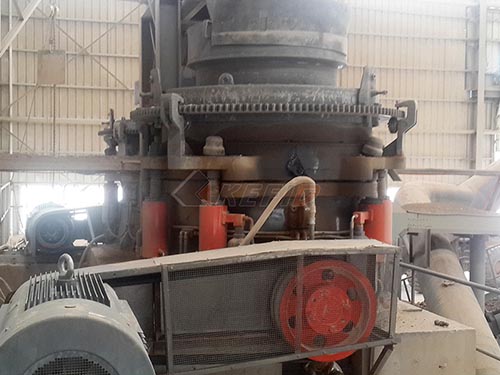
3. Durability & Reduced Downtime
CE marking involves conformity to harmonized standards (EN standards) covering materials durability testing protocols etc While not explicitly guaranteeing quality adherence to these standards typically results in robust construction using certified components reliable bearings proper welding etc This translates to higher availability (uptime) Reduced unplanned downtime means more tons crushed per day lower maintenance costs over time and less expenditure on costly emergency parts shipments Again TCO favors well-engineered compliant equipment
4 Safety as a Financial Imperative
Beyond the moral imperative workplace accidents are devastatingly costly They lead to human tragedy potential criminal prosecution immense insurance premium increases litigation costs and reputational damage that can lose future contracts CE marked crushers come with essential safeguards guarded access points lock out tag out LOTO provisions emergency stop systems noise enclosures dust suppression ports These features proactively prevent incidents saving millions in potential liabilities A safe site is also a more productive one as workers operate with greater confidence
A complete ballast production circuit typically includes:
1 Primary Crusher Jaw Crusher A heavy duty CE marked jaw crusher reduces run of quarry rock to manageable sizes Its robust construction ensures continuous operation under high impact loads Key for TCO here are replaceable wear liners made from high quality manganese steel offering long service life
2 Secondary Crusher Cone Crusher This is critical for ballast shaping A CE marked cone crusher particularly one with an aggressive crushing cavity produces the cubical fractured particles essential for ballast interlock providing stability Wear parts cost per ton is a vital metric here
3 Screening Plant High capacity vibrating screens accurately separate crushed material into specified size fractions Multideck screens allow for simultaneous production of ballast sub base aggregates etc maximizing product portfolio from one feed stock
4 Conveyors & Transfer Points All conveyors must be CE marked featuring guards emergency pull cords proper design to minimize spillage which represents lost product Efficient transfer points with impact beds reduce belt wear another OPEX saving
5 Control System A modern PLC based control system automates sequencing monitors wear tracks production data facilitates quick changeovers between product specs This optimizes human resources reduces human error boosts overall plant efficiency
To source truly cost effective CE marked equipment consider:
In conclusion describing CEmarked quarry ballast crushing equipment as cheap does it a disservice It represents intelligent economical strategic procurement The initial price tag must be evaluated within the comprehensive framework of Total Cost of Ownership Regulatory compliance enforced through CEmarking protects your business from existential financial risks Operational efficiency inherent in modern certified machinery maximizes your revenue generating capability Durability minimizes your maintenance OPEX Integrated safety protects your most valuable assets your people reputation balance sheet Therefore investing in CEmarked crushing equipment provides foundational stability much like railway ballast itself It ensures your operation runs smoothly safely profitably avoiding derailments making it undoubtedly most cost effective choice long term For any serious operator committed sustainable growth regulatory adherence lowest possible lifecycle cost CEmarked machinery isn t just best option its only logical choice
If you have any questions about our products, please feel free to contact us. We take all inquiries and suggestions very seriously.