
In the vast and intricate supply chain of construction and infrastructure development, the Stone Quarry Crushing Plant Factory stands as a fundamental and indispensable node. It represents the critical industrial process where raw, blasted rock is transformed into the essential aggregates that form the literal bedrock of our built environment. This facility is not merely a collection of machinery but a sophisticated, engineered system designed for efficiency, product consistency, and operational reliability. Understanding its components, processes, and strategic importance—particularly in the context of Minimum Order Quantity (MOQ)—is key for anyone involved in construction, mining, or heavy industrial supply.
A stone quarry crushing plant factory is an on-site or semi-permanent industrial installation established at or near a quarry’s location. Its primary mission is to reduce large rocks (run-of-quarry stone) into specific, marketable sizes of aggregate material. These products include coarse aggregates (like crushed stone for concrete and road base), fine aggregates (manufactured sand), railway ballast, riprap for erosion control, and specialty materials for asphalt mixes.
The strategic placement of the crushing plant at the quarry source is a logistical imperative. It eliminates the astronomically costly transport of waste material (overburden and unusable size fractions), processing raw material where it is extracted to maximize yield and minimize freight expenses for finished products. This factory is thus the value-adding engine of a quarry operation, determining its profitability, product range, and market competitiveness.
The operation follows a defined sequence, often arranged in “stages” of size reduction.
A. The Feeding System: The process begins with a primary feed system, typically using dump trucks from the blast site or loaders to deposit raw rock into a primary crusher. A vibrating grizzly feeder often precedes the crusher, scalping off fine material that bypasses initial crushing and removing deleterious dirt.
B. The Crushing Circuit – The Heart of the Factory:
C. The Screening System: Interwoven with every crushing stage is screening. Vibrating screens separate crushed material into predefined size fractions. Oversize material is recirculated back to the appropriate crusher (closed-circuit crushing), while correctly sized product is sent to stockpiles. This ensures precise grading control.
D. Material Handling Conveyors: A network of belt conveyors acts as the circulatory system, linking all components—feeders, crushers, screens—and transporting material to final stockpile destinations efficiently and with minimal degradation.
E. Washing and Beneficiation Plants (Optional): In markets requiring high-specification aggregates free of clay, silt, or organic contaminants, washing plants with log washers, sand screws, or hydrocyclones are integrated into the factory layout.
F. Control Systems: Modern plants are governed by sophisticated Programmable Logic Controller (PLC) systems that monitor motor loads, conveyor speeds, bin levels, and crusher parameters from a central control room. This allows for optimized throughput predictive maintenance scheduling.
For suppliers operating these plants—and crucially for buyers sourcing materials—the concept of Minimum Order Quantity (MOQ) is a pivotal commercial and operational factor.
From the Supplier/Factory Perspective:
From the Buyer/Contractor Perspective:
1 Project Planning & Costing: Understanding supplier MOQs is essential during project tendering budgeting It influences decisions on bulk material procurement timing storage onsite requirements Contractors must consolidate needs meet MOQs negotiate pricing tiers
2 Price Negotiation Leverage: Orders meeting exceeding MOQs provide significant negotiating power Buyers can secure substantial per-ton price discounts committing larger volumes ensuring supply priority
3 Supply Chain Security: Placing an order meeting an established MOQ often guarantees allocation within supplier’s production schedule crucial for large-scale projects with tight timelines preventing delays due material shortages
Typical MOQs vary widely based on:
The modern crushing plant factory increasingly prioritizes automation energy efficiency environmental stewardship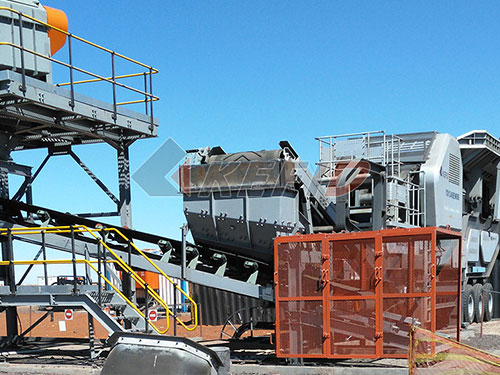
Operators face persistent challenges: fluctuating demand cyclical construction industry stringent environmental regulations rising energy costs scarcity skilled technicians Future developments point toward greater integration Internet Things (IoT) sensors enabling real-time performance monitoring predictive maintenance fully autonomous haulage feeding systems within quarry Furthermore growing emphasis circular economy drives innovation recycling construction demolition waste through mobile crushing plants creating secondary aggregate sources reducing virgin material extraction
The Stone Quarry Crushing Plant Factory far more than simple rock-breaking operation; it complex highly engineered production facility sits nexus resource extraction construction industries Its design directly dictates quality availability cost fundamental building materials our world The commercial framework surrounding it particularly principles Minimum Order Quantity reflects deep interplay between industrial engineering economics logistics For stakeholders across value chain—from quarry owner project manager civil engineer procurement officer—comprehensive understanding this facility its operational parameters not just academic exercise but practical necessity ensuring successful cost-effective timely completion infrastructure projects that underpin modern society
If you have any questions about our products, please feel free to contact us. We take all inquiries and suggestions very seriously.