
The Strategic Role of Stone Crusher Machine Trading Companies in the Global Wholesale Market
In the intricate ecosystem of the global construction, mining, and infrastructure sectors, the stone crusher machine trading company occupies a pivotal and often underappreciated role. While original equipment manufacturers (OEMs) focus on engineering and production, and end-users focus on operational output, the trading company serves as the essential bridge that connects supply with demand, facilitates cross-border commerce, and provides a comprehensive suite of value-added services. This article provides a detailed, objective examination of the stone crusher machine trading sector, with a particular focus on the dynamics of wholesale pricing and the factors that define this critical industry.
A stone crusher machine trading company is not merely a passive intermediary. Its primary function is to aggregate supply from various manufacturers and distribute it to a diverse global clientele. This role is vital for several reasons.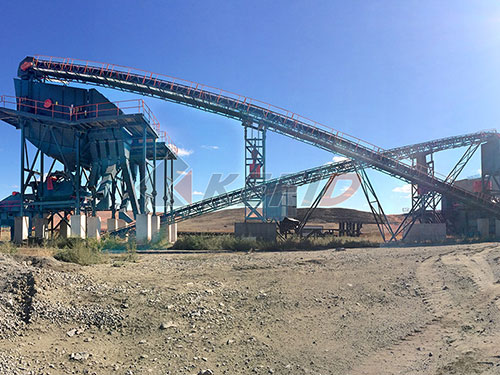
First, it reduces transaction costs for both parties. For a manufacturer, maintaining a dedicated sales force in every potential market is prohibitively expensive. A trading company, with its established networks, local market intelligence, and logistical expertise, provides immediate access to a wide customer base. For the buyer—whether a large-scale quarry operator or a smaller construction firm—sourcing directly from a foreign OEM can be a complex, risky, and capital-intensive endeavor. The trading company simplifies this process, offering a single point of contact for machine selection, negotiation, financing, shipping, and after-sales support.
Second, trading companies offer product diversification. A single trading firm may represent multiple manufacturers, each specializing in different types of crushers—jaw crushers, cone crushers, impact crushers, and hammer crushers. This allows a buyer to compare and select the optimal machine for their specific material, capacity requirement, and budget, all under one roof. This one-stop-shop model is a significant value proposition, saving clients considerable time and resources.
Finally, these companies are experts in risk mitigation. They navigate the complexities of international trade, including customs regulations, import duties, currency fluctuations, and shipping logistics. They often provide quality assurance by inspecting machines before shipment and can offer warranties and spare parts supply, acting as a reliable guarantor of the product’s performance and longevity.
The concept of “wholesale price” in the stone crusher machine trade is multifaceted and dynamic. It is not a simple sticker price but the result of a complex interplay of numerous factors. Understanding these factors is crucial for any buyer seeking to make an informed and cost-effective purchase.
1. Manufacturer and Brand Tier:
The most significant determinant of price is the brand and its perceived quality. The market is broadly segmented into three tiers:
2. Machine Specifications and Capacity:
The technical specifications of a crusher directly correlate with its price. Key parameters include:
3. Material and Component Quality:
The wholesale price is heavily influenced by the quality of materials and components used. Crushers are subjected to immense abrasive and impact forces. The use of high-grade manganese steel for jaw plates and cone liners, high-chrome alloys for blow bars in impact crushers, and high-quality bearings and seals from reputable suppliers (e.g., SKF, Timken, Siemens motors) significantly increases manufacturing costs but also extends the machine’s service life and reduces downtime. A trading company must clearly communicate these differences to justify price variations.
4. Order Volume and Terms:
As the term “wholesale” implies, price is directly linked to volume. A trading company will offer tiered pricing based on the quantity of machines ordered. A single-unit order will be priced higher than an order for five or ten units. Furthermore, the terms of the sale—such as the payment method (e.g., T/T, L/C), delivery time, and Incoterms (e.g., FOB, CIF)—also affect the final price. A buyer willing to pay in full upfront or accept a longer delivery time may secure a more favorable price.
5. Market Conditions and Logistics:
The global economic climate, raw material prices (especially steel), and shipping costs are external factors that can cause price fluctuations. For instance, a surge in freight rates or a shortage of shipping containers can increase the CIF (Cost, Insurance, and Freight) price of a crusher by a considerable margin. A skilled trading company actively monitors these variables to provide accurate and competitive quotes.
A reputable trading company does more than just pass on a manufacturer’s price. It leverages its position to create value for the buyer. This is achieved through:
Engaging with a stone crusher machine trading company is not without its challenges. The market can be opaque, and the risk of encountering disreputable actors is real. Buyers must conduct thorough due diligence. This includes:
The stone crusher machine trading company is a vital component of the global industrial machinery supply chain. It provides a necessary service that bridges the gap between manufacturers and end-users, offering convenience, expertise, and cost savings. The wholesale price of a stone crusher is a complex figure, determined by a combination of brand prestige, technical specifications, material quality, order volume, and prevailing market conditions. A professional and reputable trading company does not just sell machines; it provides a comprehensive solution. It leverages its sourcing power, negotiation skills, and logistical expertise to secure competitive pricing and ensure a smooth transaction. For any business looking to invest in crushing equipment, partnering with a knowledgeable and trustworthy trading company is often the most strategic and cost-effective path to acquiring the right machinery for the job. In an industry driven by efficiency and reliability, the trading company remains an indispensable player, facilitating the flow of essential technology that builds and powers our world.
If you have any questions about our products, please feel free to contact us. We take all inquiries and suggestions very seriously.