
Private Label Stone Crusher Machine Supplier: A Comprehensive Guide to Sourcing, Manufacturing, and Market Dynamics
In the global construction, mining, and aggregate industries, stone crusher machines are indispensable for reducing large rocks into smaller, usable materials such as gravel, sand, or dust. While many well-known original equipment manufacturers (OEMs) dominate the market, a significant and growing segment is the private label stone crusher machine supplier. These suppliers offer a unique value proposition: they manufacture high-quality crushing equipment that is rebranded and sold under a distributor’s or buyer’s own brand name. This article provides a detailed, professional, and objective analysis of private label stone crusher machine suppliers, covering their role, advantages, manufacturing processes, quality considerations, market trends, and key factors for selecting a reliable partner.
1. Understanding the Private Label Model in Stone Crushing
Private labeling, also known as original equipment manufacturing (OEM) for branding purposes, involves a supplier producing equipment that is then marketed and sold by another company under its own trademark. In the context of stone crushers, this model allows companies—ranging from regional distributors to large construction firms—to offer a complete product line without investing in heavy R&D, factory setup, or specialized engineering teams. The private label supplier handles the design, fabrication, assembly, and often the initial testing, while the buyer focuses on sales, distribution, after-sales service, and brand building.
Stone crushers covered under private label agreements typically include jaw crushers, cone crushers, impact crushers, hammer mills, and mobile crushing plants. These machines vary in capacity, feed size, and output specifications, catering to different applications such as primary, secondary, or tertiary crushing.
2. The Role and Advantages of Private Label Suppliers
Private label stone crusher machine suppliers play a critical role in democratizing access to high-quality crushing technology. Their primary advantages include:
Cost Efficiency: By leveraging existing manufacturing infrastructure, economies of scale, and specialized supply chains, private label suppliers can produce crushers at a lower cost than if a buyer were to start production from scratch. This cost saving is often passed on to the end customer or retained as higher margin for the brand owner.
Speed to Market: Developing a new crusher model from concept to production can take years. Private label suppliers offer pre-engineered, tested designs that can be customized with minor modifications (e.g., color, branding, control panel layout) and delivered in weeks or months.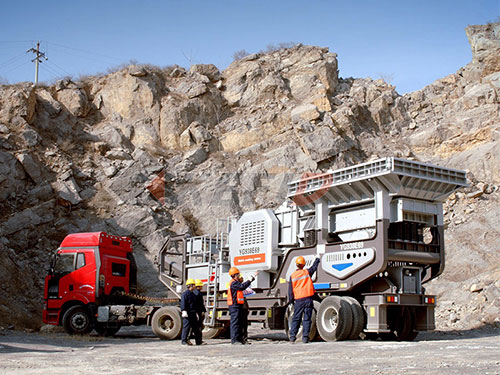
Technical Expertise: Reputable private label suppliers possess deep engineering knowledge in metallurgy, hydraulics, wear parts, and crushing dynamics. They continuously improve their designs based on field feedback, ensuring that branded machines meet industry standards for durability and performance.
Flexibility and Scalability: Buyers can start with small orders and scale up as demand grows, without committing to large capital expenditures. This is particularly beneficial for emerging markets or niche applications.
Focus on Core Competencies: Brand owners can concentrate on sales, marketing, customer relationships, and service, while leaving the complex manufacturing and quality control to the supplier.
3. Manufacturing Process and Quality Control
A professional private label stone crusher supplier follows a rigorous manufacturing process to ensure consistency and reliability. Key stages include:
Design and Engineering: The supplier’s team uses computer-aided design (CAD) and finite element analysis (FEA) to optimize crusher geometry, stress distribution, and wear life. Designs are often modular to allow for customization.
Material Selection: High-grade steel (e.g., manganese steel for jaw plates, high-chrome iron for blow bars) is sourced from certified mills. The supplier must ensure that materials meet international standards such as ASTM or ISO.
Fabrication: Components are cut, welded, machined, and heat-treated using CNC equipment. Precision is critical for bearing housings, eccentric shafts, and toggle mechanisms.
Assembly and Testing: Each crusher is assembled by skilled technicians. Before shipment, the machine undergoes a no-load test run to check for vibration, noise, and alignment. Some suppliers also perform load testing with actual stone to verify throughput and power consumption.
Quality Assurance: A dedicated QA team inspects incoming materials, in-process components, and final products. Certifications such as ISO 9001:2015 are common indicators of a supplier’s commitment to quality.
4. Key Considerations When Selecting a Private Label Supplier
Choosing the right private label stone crusher machine supplier is a strategic decision that impacts product reputation, customer satisfaction, and long-term profitability. The following factors should be objectively evaluated:
Technical Capability: Does the supplier have experience manufacturing the specific type of crusher you need? Request case studies, reference lists, and sample specifications. Verify their ability to produce machines that comply with local safety and environmental regulations (e.g., CE marking for Europe, GOST for Russia).
Customization Options: Can the supplier modify the crusher’s feed opening, discharge setting, motor power, or control system to match your market requirements? Some suppliers offer a range of standard models, while others provide full custom engineering.
Quality and Warranty: Insist on detailed quality reports and a clear warranty policy. A typical warranty for a stone crusher is 12–24 months, covering defects in materials and workmanship. Understand the supplier’s after-sales support for spare parts and technical assistance.
Production Capacity and Lead Time: Assess the supplier’s manufacturing capacity. Can they handle your projected order volumes without compromising quality? Lead times for private label crushers typically range from 30 to 90 days, depending on complexity and customization.
Supply Chain and Logistics: The supplier should have reliable access to raw materials and components. Additionally, they must be capable of arranging safe, cost-effective shipping—especially for heavy machinery that may require special containers or break-bulk shipping.
Intellectual Property Protection: If you are providing proprietary designs or modifications, ensure that the supplier signs a non-disclosure agreement (NDA) and respects your brand’s intellectual property.
Reputation and Financial Stability: Conduct due diligence through trade references, online reviews, and financial checks. A financially stable supplier is less likely to disrupt your supply chain.
5. Market Trends and Future Outlook
The private label stone crusher market is influenced by several global trends:
Rise of Mobile Crushing: Demand for mobile and semi-mobile crushers is increasing due to their flexibility in construction and demolition waste recycling. Private label suppliers are expanding their mobile plant offerings.
Automation and IoT: Modern crushers are incorporating sensors, remote monitoring, and automated adjustment systems. Private label suppliers that invest in smart technology can offer brand owners a competitive edge.
Sustainability: There is growing pressure to reduce energy consumption and emissions. Suppliers are developing more efficient crushers with lower power requirements and better dust suppression systems.
Regional Manufacturing Hubs: Countries like China, India, Turkey, and South Korea are major sources of private label crushers. However, buyers should be aware of trade tariffs, shipping costs, and geopolitical risks.
Aftermarket Services: Brand owners increasingly expect suppliers to provide not just machines but also wear parts, service manuals, and training. Full-service private label partnerships are becoming the norm.
6. Conclusion
A private label stone crusher machine supplier offers a viable and often advantageous path for companies seeking to enter or expand in the crushing equipment market without the burden of manufacturing. By partnering with a technically competent, quality-focused, and flexible supplier, brand owners can deliver reliable machines that meet customer expectations while maintaining healthy profit margins. However, success depends on thorough due diligence, clear contractual agreements, and ongoing collaboration. As the construction and mining industries continue to evolve, private label suppliers will remain a vital part of the ecosystem, enabling innovation and accessibility in stone crushing technology.
For any organization considering this route, the key takeaway is clear: invest time in selecting a supplier that aligns with your quality standards, market needs, and long-term vision. The right partnership can transform a simple machine into a trusted brand.
If you have any questions about our products, please feel free to contact us. We take all inquiries and suggestions very seriously.