
Title: Comprehensive Analysis of the 250-300 TPH Stone Crushing Plant: Factory Specifications, MOQ, and Operational Considerations
Introduction
In the global aggregate and mining industry, the 250-300 tons per hour (TPH) stone crushing plant represents a critical mid-to-high capacity production line. This throughput range is widely adopted for medium-to-large scale construction projects, road base material production, and commercial quarry operations. Understanding the factory specifications, particularly the Minimum Order Quantity (MOQ), is essential for procurement managers, project planners, and investors. This article provides a detailed, professional, and objective examination of the 250-300 TPH stone crushing plant, focusing on factory production standards, MOQ determinants, equipment configuration, and market dynamics.
1. Definition and Typical Configuration of a 250-300 TPH Plant
A 250-300 TPH stone crushing plant is designed to process raw materials such as granite, basalt, limestone, river stone, or diabase into various grades of aggregates (e.g., 0-5mm, 5-10mm, 10-20mm, 20-40mm). The plant typically comprises a primary jaw crusher, secondary cone crusher or impact crusher, vibrating feeders, vibrating screens, belt conveyors, and control systems. The exact configuration depends on the material hardness, moisture content, and final product specifications.
For hard and abrasive rocks (e.g., granite, basalt), the preferred configuration is:
For softer materials (e.g., limestone), impact crushers may replace cone crushers to reduce capital cost and improve reduction ratios.
2. Factory Production and MOQ (Minimum Order Quantity)
The MOQ for a 250-300 TPH stone crushing plant varies significantly based on the manufacturer’s production capacity, customization level, and market strategy. In general, MOQ is expressed in terms of the number of complete sets or the total value of the order.
2.1 Typical MOQ Ranges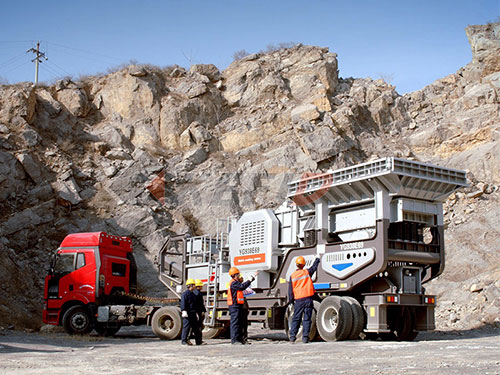
2.2 Factors Influencing MOQ
3. Technical Specifications and Performance Metrics
A 250-300 TPH plant must meet stringent performance criteria to ensure profitability and compliance with environmental regulations.
3.1 Key Technical Parameters
3.2 Efficiency and Reliability
4. Market Analysis and Supplier Landscape
4.1 Major Manufacturing Regions
4.2 Price Range and MOQ Implications
5. Procurement Considerations for Buyers
5.1 Evaluating MOQ Against Project Needs
For a single quarry or construction project, a MOQ of 1 set is ideal. However, if the buyer is a contractor with multiple sites, ordering 2-3 sets may reduce per-unit cost and secure volume discounts. Factories often offer 5-10% discount for orders of 2+ sets.
5.2 Hidden Costs and MOQ Compliance
5.3 Quality Assurance and MOQ Flexibility
Reputable factories often allow a trial order of 1 set if the buyer provides a letter of credit (L/C) or a 30% deposit. Some manufacturers offer “semi-knocked-down” (SKD) kits with lower MOQ for local assembly. However, this may compromise warranty and performance.
6. Environmental and Regulatory Compliance
Modern 250-300 TPH plants must incorporate dust suppression (water sprays or baghouse filters), noise reduction (enclosures), and wastewater treatment. Factories that offer compliant designs may have stricter MOQ policies due to the cost of environmental engineering. For example, a plant with a full dust collection system may require a minimum order of 2 sets to amortize design costs.
7. Future Trends and MOQ Evolution
As modular and mobile crushing plants gain popularity, MOQ for 250-300 TPH mobile units is often 1 set, but prices are 30-50% higher than stationary plants. The trend toward digitalization (IoT-enabled crushers) may lead to higher MOQ for software-integrated systems. However, competition among Asian manufacturers is driving MOQ downward, with some factories now accepting orders for 0.5 sets (i.e., partial lines) for expansion projects.
Conclusion
The 250-300 TPH stone crushing plant is a versatile and widely demanded production system in the global aggregates market. The factory MOQ typically ranges from 1 complete set for standardized designs to 2-3 sets for highly customized or environmentally compliant systems. Buyers must carefully assess their project scale, budget, and technical requirements when negotiating MOQ. Partnering with a reputable manufacturer that offers transparent pricing, quality certifications (ISO, CE), and after-sales support is crucial. By understanding the interplay between MOQ, equipment configuration, and operational costs, procurement professionals can make informed decisions that maximize return on investment.
If you have any questions about our products, please feel free to contact us. We take all inquiries and suggestions very seriously.