Premium Harga Hammer Mill Vendor: A Comprehensive Analysis of Quality, Cost, and Market Dynamics
In the industrial processing landscape, the hammer mill stands as a cornerstone of material size reduction, serving sectors ranging from agriculture and biomass to mining and waste management. The term “Premium Harga Hammer Mill Vendor” encapsulates a critical intersection of quality, pricing, and supplier reliability. This article provides a detailed, objective examination of what constitutes a premium vendor in the hammer mill market, the factors influencing pricing (harga), and the strategic considerations for buyers seeking optimal value.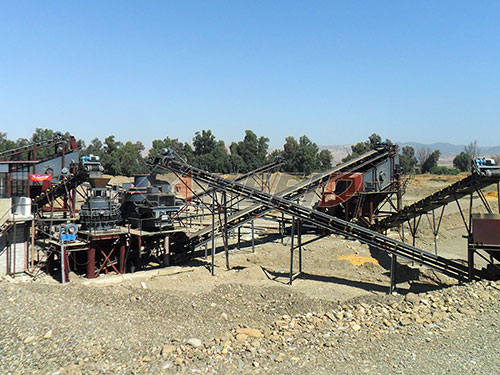
1. Defining “Premium” in the Hammer Mill Context
A “premium” vendor is not merely one that charges high prices. Instead, it is a supplier that consistently delivers superior product quality, robust engineering, exceptional after-sales support, and long-term operational reliability. Key attributes include:
- Material and Build Quality: Premium vendors use high-grade steel alloys, hardened hammers, and precision-machined components. This ensures resistance to wear, corrosion, and fatigue, even under continuous heavy-duty operation. For example, hammers made from AR500 or equivalent abrasion-resistant steel offer significantly longer service life than standard mild steel alternatives.
- Design and Engineering Excellence: Advanced hammer mills from premium vendors feature optimized rotor geometry, balanced shaft assemblies, and adjustable screen configurations. These design elements maximize throughput, minimize energy consumption, and produce consistent particle size distribution. Computational fluid dynamics (CFD) and finite element analysis (FEA) are often employed during design to predict performance and stress points.
- Compliance and Certifications: Premium vendors adhere to international standards such as ISO 9001 for quality management, CE marking for European markets, and OSHA or ANSI safety guidelines. They also provide detailed documentation, including material certificates, load test reports, and installation manuals.
- After-Sales Support: A hallmark of premium vendors is their commitment to customer success. This includes comprehensive warranties (often 12–24 months), readily available spare parts, remote troubleshooting, and on-site service teams. Training for operators and maintenance personnel is also typically offered.
2. Understanding “Harga” (Pricing) in the Hammer Mill Market
The price of a hammer mill is not a static figure; it is a function of multiple variables. For a premium vendor, the pricing structure reflects the total cost of ownership (TCO) rather than just the initial purchase price. Key pricing determinants include:
- Capacity and Throughput: Hammer mills are rated by their processing capacity, typically measured in tons per hour (TPH). A small laboratory-scale mill might cost between $5,000 and $15,000, while an industrial unit capable of 50 TPH can range from $100,000 to over $500,000. Premium vendors offer scalable solutions with precise capacity guarantees.
- Motor Power and Drive System: The electric motor size (measured in kilowatts or horsepower) directly impacts price. A 200 kW motor is significantly more expensive than a 50 kW unit. Premium vendors often use high-efficiency (IE3 or IE4) motors and variable frequency drives (VFDs) to optimize energy use, which adds to upfront cost but reduces operational expenses.
- Material of Construction: Carbon steel is the baseline, but stainless steel (304 or 316) is required for food-grade, pharmaceutical, or corrosive applications. Premium vendors offer these options with certified weld procedures and surface finishes (e.g., 320-grit polish for sanitary mills). The cost premium for stainless steel can be 30–50% over carbon steel.
- Customization and Automation: Standard models are more affordable, but premium vendors excel in customization. Features like automated screen changers, integrated dust collection systems, PLC-based control panels, and remote monitoring capabilities add to the price. A fully automated, turnkey system can cost 2–3 times more than a basic manual unit.
- Geographical Factors: Pricing varies by region due to labor costs, raw material availability, and logistics. Premium vendors in Europe or North America typically charge higher base prices than those in Southeast Asia or India, but they often compensate with superior quality control and shorter lead times for critical components.
3. The Premium Vendor Landscape: Global and Regional Players
The hammer mill market is fragmented, with vendors ranging from small local fabricators to multinational corporations. Premium vendors are distinguished by their market reputation, R&D investment, and global service networks.
- Global Leaders: Companies like Schutte Hammermill (USA), Hosokawa Micron (Japan), and Andritz (Austria) are recognized as premium vendors. They offer extensive product lines, from laboratory mills to heavy-duty industrial grinders. Their pricing is at the higher end, but they provide comprehensive engineering support, long warranties, and proven reliability. For example, Schutte’s 24×36 series hammer mill, with a 200 HP motor and carbon steel construction, is priced in the $80,000–$120,000 range, depending on options.
- Regional Premium Vendors: In Asia, companies such as Jiangsu Yongli (China) and Retsch (Germany, with strong Asian presence) offer premium products at competitive prices. A Chinese premium vendor might offer a 30 TPH hammer mill for $60,000–$90,000, while a European equivalent could be $120,000–$180,000. The price difference is often due to lower labor costs and local material sourcing, but buyers must verify quality consistency and after-sales support.
- Niche Premium Vendors: Some vendors specialize in specific applications. For example, Bliss Industries (USA) focuses on heavy-duty grinding for the feed industry, while Munson Machinery (USA) offers hammer mills for sanitary applications. These niche players command premium prices due to their deep domain expertise and tailored solutions.
4. Cost-Benefit Analysis: Why Premium Vendors Justify Higher Prices
While the initial investment in a premium hammer mill is higher, the total cost of ownership often favors such a choice. Consider the following factors:
- Operational Efficiency: Premium mills typically have higher throughput per unit of energy. A study by the American Society of Agricultural and Biological Engineers (ASABE) found that well-designed hammer mills can achieve energy savings of 10–20% compared to poorly designed counterparts. Over a 10-year lifespan, this translates to tens of thousands of dollars in electricity savings.
- Maintenance and Downtime: Premium vendors use standardized, easily replaceable parts. For instance, a premium mill might have a quick-change screen system that reduces screen replacement time from 2 hours to 15 minutes. Lower-quality mills often require custom fabrication for wear parts, leading to extended downtime and higher maintenance costs.
- Resale Value: Premium equipment retains value better. A used Schutte or Andritz hammer mill can fetch 40–60% of its original price after 5–7 years, while a generic mill might only retain 20–30%.
- Risk Mitigation: In industries like pharmaceuticals or food processing, a mill failure can lead to product contamination, regulatory fines, and brand damage. Premium vendors provide traceability, validation documentation, and compliance with Good Manufacturing Practices (GMP), reducing these risks.
5. Practical Guidance for Selecting a Premium Harga Hammer Mill Vendor
To make an informed decision, buyers should follow a structured evaluation process:
- Define Requirements Clearly: Specify the material type (e.g., corn, wood chips, limestone), target particle size (e.g., 200 microns or 1/4 inch), moisture content, and desired throughput. This information is critical for vendor quoting.
- Request Detailed Quotations: Ask for a breakdown of costs, including the mill itself, motor, controls, shipping, installation, and training. Premium vendors will provide transparent pricing with no hidden fees.
- Evaluate Vendor Credentials: Check for certifications (ISO, CE), customer references, and case studies. Visit the vendor’s manufacturing facility if possible, or request a virtual tour. Look for evidence of quality control, such as in-house testing labs and non-destructive testing (NDT) capabilities.
- Compare Total Cost of Ownership: Use a spreadsheet to estimate energy costs, spare parts consumption, and maintenance labor over 5–10 years. A premium vendor’s higher upfront cost may be offset by lower annual operating expenses.
- Negotiate Service Agreements: Premium vendors often offer extended warranties, preventive maintenance contracts, and guaranteed spare parts availability. These agreements can be negotiated as part of the purchase price.
6. Market Trends and Future Outlook
The hammer mill market is evolving, and premium vendors are at the forefront of innovation. Key trends include:
- Digitalization: Smart hammer mills with IoT sensors, predictive maintenance algorithms, and real-time performance dashboards are becoming standard. Premium vendors are integrating these features to help customers optimize operations and reduce unplanned downtime.
- Sustainability: Energy-efficient designs and the use of recycled materials in construction are gaining traction. Premium vendors are also offering mills that can process alternative fuels (e.g., biomass, refuse-derived fuel) to support circular economy goals.
- Modularity: To reduce capital expenditure, some premium vendors are offering modular hammer mills that can be expanded as production needs grow. This approach lowers initial investment while maintaining premium quality.
Conclusion
A “Premium Harga Hammer Mill Vendor” represents a strategic partnership rather than a simple transaction. The higher price tag reflects superior engineering, durability, and support that translate into lower total cost of ownership and reduced operational risk. For buyers in industries where reliability, efficiency, and compliance are paramount, investing in a premium vendor is not an expense but a long-term asset. By carefully evaluating capacity, material, customization, and after-sales service, organizations can select a vendor that delivers optimal value—balancing the “harga” (price) with the true cost of quality. As the market continues to advance, premium vendors will remain essential partners in driving industrial productivity and sustainability.
