Title: Comprehensive Market Analysis and Procurement Guide for the Jc5000 Jaw Crusher: Importer Pricing, Cost Factors, and Strategic Sourcing Considerations
Introduction
The global mineral processing and aggregate production industries rely heavily on robust, high-throughput primary crushing equipment. Among the mid-to-large capacity machines available, the Jc5000 Jaw Crusher—a designation commonly associated with heavy-duty single-toggle jaw crushers produced by leading Chinese manufacturers (often modeled after or competing with international brands like Terex, Sandvik, or Metso)—has gained significant traction among importers, contractors, and mining operators. This article provides a professional, objective, and data-driven examination of the Jc5000 Jaw Crusher importer price, breaking down the factors that influence pricing, regional market variations, total cost of ownership (TCO), and strategic recommendations for procurement professionals. The goal is to equip importers with the knowledge needed to negotiate effectively and avoid common pitfalls in international machinery trade.
1. Defining the Jc5000 Jaw Crusher: Technical Baseline
Before discussing price, it is essential to establish what the Jc5000 typically represents. In most manufacturer catalogs, the “JC” series denotes a jaw crusher with a deep, symmetrical crushing chamber, a heavy-duty eccentric shaft, and a hydraulic wedge adjustment system. The “5000” usually refers to the feed opening size in millimeters—typically 5000 mm × 1200 mm (or 50″ x 48″ in imperial terms). Key specifications include:
- Feed Opening: ~1200 x 1000 mm to 1500 x 1200 mm (varies by OEM)
- Max Feed Size: 800–1000 mm
- Capacity Range: 200–500 tons per hour (depending on closed side setting, CSS)
- Motor Power: 160–250 kW
- Weight: 50–75 metric tons (excluding ancillary equipment)
These machines are designed for primary crushing of hard rock (granite, basalt, quartzite) and abrasive ores. The price of such equipment is not a fixed number; it is a function of configuration, build quality, and commercial terms.
2. Base Importer Price Range: Global Benchmarking
As of 2024–2025, the ex-works (EXW) price for a standard Jc5000 jaw crusher from a Tier-1 Chinese manufacturer (e.g., Shanghai Shibang, Zhengzhou Yifan, or similar) ranges between USD 180,000 and USD 320,000. However, the importer price—the landed cost at the destination port—varies significantly. Based on recent trade data and industry reports, the following benchmark ranges apply:
- FOB (Free On Board) China Port: USD 160,000 – 280,000
- CIF (Cost, Insurance, Freight) to major ports (e.g., Rotterdam, Durban, Santos, Jakarta): USD 190,000 – 340,000
- DDP (Delivered Duty Paid) to inland project sites: USD 230,000 – 420,000
It is critical to note that these figures exclude optional features such as hydraulic toggle adjustment, vibration isolation frames, or specialized wear-resistant liners (e.g., Manganese 18% vs. 22%). A fully optioned Jc5000 with a motor, V-belt drive, and base frame can exceed USD 380,000 FOB.
3. Deconstructing the Importer Price: Cost Components
The final importer price is a composite of several distinct cost layers. Understanding each is vital for negotiation and budget planning.
3.1. Manufacturing and Material Costs (50–60% of FOB)
- Steel and Castings: The main frame and swing jaw are typically cast from high-grade ductile iron or welded from heavy steel plates. Fluctuations in global steel prices (e.g., HRC steel) directly impact the base price. A 10% increase in steel cost can add 3–5% to the crusher price.
- Bearings and Eccentric Shaft: Imported bearings (SKF, FAG, NSK) or high-end domestic bearings account for 8–12% of the cost. The eccentric shaft, forged from alloy steel, is a high-value component.
- Labor and Overhead: Chinese manufacturing labor costs have risen, but remain lower than in Europe or North America. However, Tier-1 factories invest heavily in CNC machining and robotic welding, which adds to the price but ensures precision.
3.2. Quality Certification and Compliance (5–8%)
- Crushers destined for the EU must meet CE certification; for North America, they may require ASME or specific OSHA compliance. For mining operations, ISO 9001 and ISO 14001 are standard. These certifications add testing, documentation, and third-party inspection costs.
3.3. Logistics and Freight (10–20% of CIF)
- Ocean Freight: A Jc5000 weighs ~60 tons. Shipping as breakbulk (flat rack or open top container) is more expensive than containerized cargo. Freight rates from Shanghai to the US West Coast have stabilized at USD 2,500–4,000 per 40ft container, but breakbulk costs are calculated per freight ton (W/M). Expect USD 8,000–15,000 for sea freight alone.
- Inland Transport: From the port to the project site, especially in Africa or South America, can add USD 5,000–20,000 depending on road conditions, permits for oversized loads, and escorts.
3.4. Import Duties and Taxes (10–30% of CIF)
- Tariff Classification: Jaw crushers fall under HS Code 8474.20 (Crushing or grinding machines). Most developing countries impose 5–15% import duty. However, some nations (e.g., India, Brazil) have higher protective tariffs (up to 25%) to encourage local manufacturing.
- VAT/GST: Value-added tax (10–20%) is levied on the CIF value plus duty. This is often the largest hidden cost. For example, in Nigeria, import duty is 10% and VAT is 7.5%; in the EU, VAT can be 20–25%.
3.5. Agent Commissions and Financing Costs (3–7%)
- If using a trading company or local agent, a commission of 2–5% is typical. For Letters of Credit (L/C) or bank guarantees, financing fees and currency hedging costs add another 1–2%.
4. Regional Price Variations: A Comparative Analysis
The importer price is not uniform globally. Below is a comparative breakdown for a standard Jc5000 (FOB USD 200,000) delivered to different regions:
| Region |
Freight (USD) |
Duty (%) |
VAT/GST (%) |
Landed Cost (USD) |
Effective Price per Ton (USD/ton) |
| Southeast Asia (Indonesia) |
8,000 |
5% |
11% |
~238,000 |
3,967 |
| Sub-Saharan Africa (Kenya) |
12,000 |
10% |
16% |
~256,000 |
4,267 |
| South America (Peru) |
10,000 |
7% |
18% |
~252,000 |
4,200 |
| Middle East (UAE) |
9,000 |
5% |
5% |
~224,000 |
3,733 |
| Europe (Poland) |
11,000 |
2.7% |
23% |
~252,000 |
4,200 |
| North America (USA) |
14,000 |
0% (if MFN) |
0% (state varies) |
~214,000 |
3,567 |
Note: The US often has zero duty on crushing machinery under certain trade agreements, but importers must pay customs processing fees and state sales tax.
Key Insight: The most cost-effective import destinations are those with free trade agreements (e.g., Chile, Australia) or low VAT regimes (e.g., UAE, Singapore). Importers in high-duty regions should consider knock-down (SKD) kits—shipping the crusher in semi-disassembled form to classify it as parts, which often attract lower duty rates.
5. Price vs. Quality: The Hidden Cost of “Cheap” Jc5000
A critical, objective observation is that the market is flooded with “Jc5000” clones from small workshops. These may be priced 30–40% lower (FOB USD 110,000–140,000). However, the importer price is only the beginning. A professional procurement strategy must evaluate Total Cost of Ownership (TCO) over a 10-year lifespan:
- Wear Parts Life: A genuine Jc5000 with high-chrome jaw plates lasts 8,000–12,000 hours. A low-quality clone may last only 3,000–5,000 hours. Replacement jaw plates cost USD 8,000–15,000 per set. Over 5 years, the clone may require 3 additional sets, adding USD 30,000–45,000.
- Downtime Costs: A crusher failure in a quarry costs USD 500–2,000 per hour in lost production. A cheap crusher with substandard bearings or a poorly heat-treated shaft may fail within 18 months. One major failure (e.g., cracked frame) can cost USD 50,000 in repairs and 2 weeks of downtime.
- Spare Parts Availability: Tier-1 manufacturers maintain global warehouses. Clone manufacturers often disappear or change brand names, making parts sourcing impossible.
Conclusion: The lowest FOB price is rarely the lowest importer price when TCO is considered. A professional importer should demand a performance guarantee (e.g., throughput at a specific CSS) and a wear parts warranty (minimum 12 months or 2,000 hours).
6. Negotiation Strategies and Price Reduction Levers
To secure a favorable importer price, procurement professionals should employ the following tactics:
6.1. Bulk Purchase and Bundling
- Importing two or more Jc5000 units (or bundling with a cone crusher and screen) can reduce per-unit FOB price by 5–10%. Manufacturers prefer large orders to amortize setup costs.
6.2. Off-Season Ordering
- Chinese factories are less busy during Q1 (after Chinese New Year) and Q3 (summer heat). Placing orders during these periods can yield 3–5% discounts.
6.3. Payment Terms
- Offering a 30% T/T deposit and 70% balance against a copy of B/L (Bill of Lading) is standard. However, paying 100% T/T in advance can secure a 2–3% discount. Alternatively, using a confirmed L/C at sight protects the buyer but may add 1% to the price.
6.4. Specification Optimization
- Request a standard configuration rather than custom modifications. For example, opting for a manual wedge adjustment instead of hydraulic adjustment saves USD 15,000–25,000. If your feed material is not highly abrasive, standard manganese steel (12-14%) is sufficient.
6.5. Incoterms Selection
- Choose FOB and arrange your own freight and insurance. This gives you control over logistics costs and allows you to use a freight forwarder with negotiated rates. Avoid DDP unless you have no local import expertise, as DDP prices often include a 10–15% markup for the seller’s logistics risk.
7. Case Study: A Realistic Import Scenario
Scenario: A mining contractor in Ghana (West Africa) requires a Jc5000 for a gold ore crushing plant.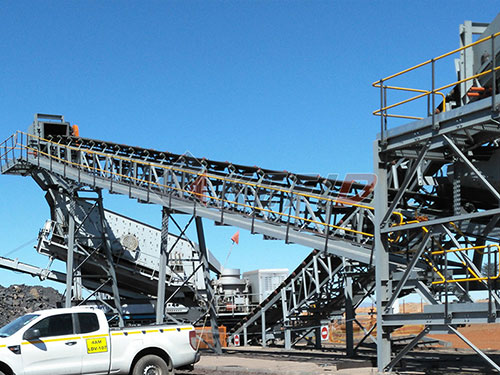
- FOB Price (Tier-1 Manufacturer): USD 210,000 (including hydraulic toggle, motor, and base frame)
- Ocean Freight (Shanghai to Tema, Ghana): USD 9,500 (breakbulk, 60 tons)
- Marine Insurance (0.3% of CIF): USD 660
- CIF Price: USD 220,160
- Import Duty (Ghana: 10% of CIF): USD 22,016
- NHIL (National Health Insurance Levy, 2.5%): USD 5,504
- VAT (15% of CIF + Duty + NHIL): USD 37,152
- Customs Clearance & Port Handling: USD 3,000
- Inland Transport (Tema to site, 200 km): USD 4,500
- Total Landed Cost: USD 292,332
Analysis: The importer price is 39% higher than the FOB price. A novice importer might have accepted a quote of USD 260,000 DDP from a middleman, which seems cheaper but may exclude the motor, installation supervision, or warranty service. The professional approach above ensures full transparency.
8. Future Price Trends and Market Outlook
- Steel Prices: Global steel prices are expected to remain volatile due to energy costs and carbon tariffs (CBAM in Europe). This will push crusher prices upward by 3–5% annually.
- Freight Rates: The Red Sea crisis and Panama Canal restrictions have increased shipping times and costs. Importers should book cargo 4–6 weeks in advance to secure lower rates.
- Technological Upgrades: New Jc5000 models are incorporating IoT sensors for predictive maintenance. These “smart” crushers cost 10–15% more but reduce downtime by 20%. For long-term projects, this is a justified premium.
- Local Manufacturing Pressure: Countries like India and Indonesia are imposing higher tariffs on imported crushers to promote local assembly. Importers should consider setting up a local assembly partnership to avoid duties.
9. Conclusion and Professional Recommendations
The Jc5000 Jaw Crusher importer price is a dynamic figure, typically ranging from USD 190,000 to USD 420,000 depending on destination, configuration, and commercial terms. To ensure a successful procurement:
- Always request a detailed quotation breaking down FOB, freight, insurance, and optional accessories. Reject lump-sum quotes that lack transparency.
- Verify the manufacturer’s credentials via on-site audits or third-party inspections (e.g., SGS, Bureau Veritas) before paying the deposit.
- Negotiate a performance-based contract with penalties for failure to meet throughput or power consumption guarantees.
- Plan for spare parts (jaw plates, toggle plate, bearings) at the time of purchase. Buying a full set of wear parts with the initial order often secures a 10–15% discount.
- Consider the residual value. A well-maintained Jc5000 from a reputable brand retains 40–50% of its value after 5 years, making it a better asset than a cheap clone that is worthless after the first major breakdown.
In summary, the importer price is not merely a number on a proforma invoice; it is a strategic investment decision. By applying the analytical framework presented in this article, importers can navigate the complexities of international machinery trade, avoid hidden costs, and secure a Jc5000 jaw crusher that delivers reliable performance for decades. Always consult with a licensed customs broker and a trade finance specialist to finalize the exact landed cost for your specific port and project location.
