Gold Ore Crushing Equipment Supplier Sourcing: A Comprehensive Guide for Mining Operations
The procurement of gold ore crushing equipment is a critical decision for any mining operation, from small-scale artisanal mines to large industrial complexes. The efficiency, reliability, and cost-effectiveness of the crushing circuit directly influence downstream processing, recovery rates, and overall project viability. Sourcing the right supplier, therefore, requires a systematic evaluation of technical specifications, operational requirements, financial considerations, and logistical support. This article provides a detailed, objective analysis of the key factors, supplier landscape, and best practices for sourcing gold ore crushing equipment.
1. Understanding the Gold Ore Crushing Process
Before engaging suppliers, it is essential to understand the fundamental role of crushing in gold extraction. Gold ore is typically hard and abrasive, often hosted in quartz veins or disseminated in igneous rocks. The crushing stage aims to reduce run-of-mine (ROM) ore from a particle size of up to 1.5 meters to a product size of 10–50 mm, suitable for grinding mills. The process usually involves two or three stages:
- Primary Crushing: Jaw crushers or gyratory crushers handle the largest feed sizes. They are robust, high-capacity machines designed for continuous operation.
- Secondary Crushing: Cone crushers or impact crushers further reduce the ore to a finer size. Cone crushers are preferred for hard, abrasive gold ores due to their low wear costs and consistent product shape.
- Tertiary/Quaternary Crushing: High-pressure grinding rolls (HPGRs) or vertical shaft impact (VSI) crushers may be used for fine crushing, especially in operations employing heap leaching or intensive cyanidation.
The choice of equipment depends on ore characteristics (hardness, abrasiveness, moisture content), throughput requirements, and the specific comminution strategy (e.g., SAG mill vs. conventional ball mill circuits).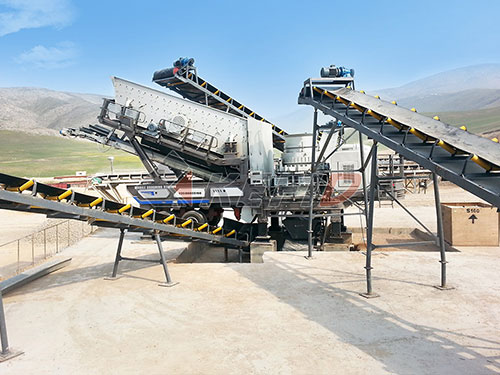
2. Key Criteria for Supplier Evaluation
Sourcing a supplier is not merely about comparing price lists. A comprehensive evaluation should cover the following dimensions:
2.1 Technical Capability and Product Range
- Crusher Types: Does the supplier offer a full range of jaw, cone, impact, and HPGR crushers? Specialized suppliers may excel in one type but lack diversity.
- Customization: Can the supplier design machines for specific ore properties (e.g., high clay content, high moisture, or extreme hardness)? Off-the-shelf solutions may not optimize performance.
- Throughput and Power: Evaluate the supplier’s ability to meet your target throughput (tons per hour) and power consumption (kWh/t). Suppliers should provide detailed capacity curves and power draw calculations.
- Wear Parts and Liners: The quality of manganese steel or ceramic liners directly impacts crusher availability and operating costs. Suppliers with in-house foundries or strategic partnerships for wear parts offer better lifecycle value.
2.2 Reliability and Proven Track Record
- Reference Installations: Request a list of similar gold ore crushing installations, ideally in comparable geological settings. Visit operating sites if possible.
- Mean Time Between Failures (MTBF): Ask for documented MTBF data for their crushers in gold mining applications. Low MTBF indicates poor design or manufacturing quality.
- Aftermarket Support: Evaluate the supplier’s global service network. Can they provide on-site commissioning, training, and rapid spare parts delivery? For remote mine sites, local service centers are crucial.
2.3 Cost Considerations (Total Cost of Ownership)
- Initial Capital Expenditure (CAPEX): This includes the purchase price, shipping, installation, and commissioning costs. However, low CAPEX often correlates with higher operating costs.
- Operating Expenditure (OPEX): Key OPEX components include energy consumption, wear parts replacement frequency, and maintenance labor. A supplier offering energy-efficient crushers with longer liner life may have a higher CAPEX but lower OPEX over 5–10 years.
- Lifecycle Cost Analysis: Request a detailed lifecycle cost model from shortlisted suppliers. This should account for inflation, spare parts price escalation, and expected downtime costs.
2.4 Safety and Environmental Compliance
- Safety Features: Crushers must comply with international safety standards (e.g., OSHA, ISO 12100). Look for features like automatic tramp iron release, hydraulic adjustment, and dust suppression systems.
- Environmental Impact: Noise and dust emissions are significant concerns. Suppliers should provide data on sound levels (dB) and offer integrated dust control solutions (e.g., water sprays, enclosed chutes).
2.5 Innovation and Technology
- Automation and Digitalization: Modern crushers often come with advanced control systems (e.g., ASRi for cone crushers) that optimize settings in real-time based on feed conditions. Suppliers offering remote monitoring and predictive maintenance capabilities add value.
- Energy Efficiency: HPGRs and high-speed cone crushers can reduce energy consumption by 20–30% compared to older technologies. Evaluate suppliers’ R&D investments in energy-saving designs.
3. Major Supplier Categories and Market Landscape
The global market for gold ore crushing equipment is dominated by a mix of multinational corporations, regional specialists, and niche manufacturers.
3.1 Tier 1 Global Suppliers
- Metso Outotec (now Metso): A leading provider of complete comminution circuits, including Nordberg® jaw and cone crushers, HPGRs, and Vertimills. They offer strong aftermarket support and digital solutions (e.g., Metso Metrics).
- Sandvik Mining and Rock Solutions: Known for their CH and CS series cone crushers, Sandvik emphasizes automation and wear life. Their “Stationary Crushing and Screening” division provides modular plants.
- FLSmidth: Offers a comprehensive range of crushers, including the EV™ hammer impact crusher and Raptor® cone crushers. They are strong in large-scale, high-throughput operations.
- ThyssenKrupp (now thyssenkrupp Industrial Solutions): Specializes in gyratory crushers and HPGRs for ultra-large mines. Their “Crusher” division is known for robust, heavy-duty designs.
3.2 Regional and Specialized Suppliers
- Terex MPS (Cedarapids, Simplicity, Canica): Strong in the Americas, offering a wide range of jaw, cone, and impact crushers. Their focus is on mid-range throughput applications.
- McCloskey International: Known for mobile and modular crushing solutions, popular in smaller gold operations and heap leach projects.
- Astec Industries (KPI-JCI, Osborn): Offers a diverse portfolio, including the Kodiak® Plus cone crushers and Andreas-style impact crushers.
- Chinese Manufacturers (e.g., Sandvik China, Metso China, local brands like Shanbao, Shibang, and Liming): These suppliers offer competitive pricing, especially for standard jaw and cone crushers. However, quality control, aftermarket support, and compliance with international standards can vary significantly. Due diligence is essential.
3.3 Niche and Emerging Suppliers
- Weir Minerals (Trio®): Focuses on heavy-duty crushers for abrasive ores, with strong expertise in wear-resistant materials.
- Hazemag: Specializes in impact crushers for softer gold ores and recycling applications.
- RUBBLE MASTER: Offers compact, mobile crushers suitable for small-scale or pilot operations.
4. Sourcing Strategy and Best Practices
4.1 Define Your Requirements Clearly
Create a detailed Request for Quotation (RFQ) that includes:
- Ore characterization data (Bond Work Index, abrasion index, moisture content, feed size distribution).
- Target product size (P80) and throughput (tph).
- Operating hours per year and expected availability.
- Site conditions (altitude, temperature, power supply voltage).
- Safety and environmental regulations.
4.2 Conduct a Multi-Stage Evaluation
- Stage 1 – Technical Pre-qualification: Shortlist suppliers based on product range, reference installations, and technical compliance.
- Stage 2 – Commercial and Financial Analysis: Compare CAPEX, OPEX, and lifecycle costs. Request a breakdown of spare parts pricing and warranty terms.
- Stage 3 – Site Visits and Audits: Visit the supplier’s manufacturing facility and at least two reference sites. Assess quality control processes, inventory management, and aftermarket responsiveness.
- Stage 4 – Pilot Testing (if feasible): For complex ores, consider sending a sample to the supplier’s test center for crushing trials. This validates performance claims.
4.3 Negotiate Comprehensive Contracts
Ensure the contract covers:
- Performance Guarantees: Throughput, product size, and power consumption with penalties for non-compliance.
- Warranty Terms: Typically 12–24 months, but negotiate extended warranties for critical components (e.g., main frame, eccentric assembly).
- Spare Parts Availability: Agree on a minimum stock level and lead times for critical wear parts.
- Training and Commissioning: Include on-site training for operators and maintenance personnel, plus remote support for the first year.
4.4 Consider Total System Integration
Crushing equipment does not operate in isolation. Evaluate suppliers who can provide a complete comminution circuit, including screens, conveyors, and dust control systems. Integrated solutions reduce interface risks and simplify project management.
5. Challenges and Risk Mitigation
- Supply Chain Disruptions: Global events (e.g., pandemics, trade tariffs) can delay deliveries. Mitigate by ordering critical spares early and diversifying suppliers for non-critical components.
- Quality Variability: Especially with low-cost suppliers, quality can be inconsistent. Insist on third-party inspection of critical components (e.g., castings, welds) before shipment.
- Cultural and Language Barriers: When sourcing from non-English-speaking countries, use local agents or consultants to facilitate communication and contract enforcement.
- Obsolescence: Avoid proprietary designs that lock you into a single supplier for spare parts. Prefer industry-standard components.
6. Conclusion
Sourcing gold ore crushing equipment is a strategic investment that demands rigorous analysis beyond the initial purchase price. The optimal supplier is one that aligns with your specific ore characteristics, operational scale, and long-term cost objectives. While global Tier 1 suppliers offer reliability, advanced technology, and comprehensive support, regional and specialized suppliers may provide better value for mid-range or niche applications. A disciplined sourcing process—encompassing technical evaluation, lifecycle cost analysis, site visits, and robust contracting—will minimize risks and maximize the return on this critical capital expenditure. As the gold mining industry continues to evolve toward higher efficiency and lower environmental impact, partnering with a supplier that embraces innovation and sustainability will be a key competitive advantage.
