
Premium Ball Mill Sourcing: A Comprehensive Guide to Quality, Efficiency, and Strategic Procurement
In the modern landscape of mineral processing, cement production, chemical manufacturing, and advanced materials synthesis, the ball mill remains an indispensable piece of equipment. Its fundamental role—grinding and blending materials into fine powders—underpins the quality and consistency of countless downstream products. However, not all ball mills are created equal. The term “premium ball mill” denotes a class of machinery that goes beyond basic functionality to deliver superior durability, energy efficiency, precision control, and long-term reliability. Sourcing such equipment is a complex strategic decision that can significantly impact operational costs, product quality, and environmental compliance. This article provides a detailed examination of premium ball mill sourcing, covering technical specifications, material considerations, supplier evaluation criteria, cost-benefit analysis, and emerging trends.
1. Defining “Premium” in Ball Mill Technology
A premium ball mill is distinguished by several key attributes that separate it from standard or economy-grade alternatives:
2. Technical Specifications: What to Look For
When sourcing a premium ball mill procurement teams must evaluate several technical parameters: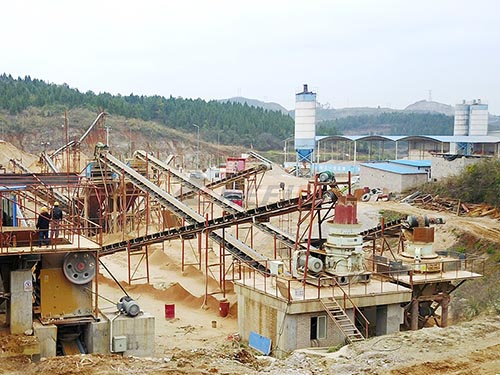
3. Sourcing Strategies: Supplier Evaluation Criteria
Selecting a supplier for premium ball mills requires rigorous due diligence beyond price comparison:
A) Manufacturing Capability & Quality Assurance
Does the supplier operate ISO 9001 certified facilities? Do they perform non-destructive testing (NDT) on welds castings? Can they provide metallurgical certificates for raw materials? Leading suppliers like Metso Outotec FLSmidth ThyssenKrupp have dedicated R&D centers.
B) Customization vs Standardization
Premium sourcing often involves custom-engineered solutions—for example adapting the mill’s dimensions to fit existing plant layouts or modifying liner profiles for specific ore characteristics. Assess whether the supplier offers modular designs that balance customization with lead times.
C) After-Sales Support & Spare Parts Availability
A premium mill is only as good as its support network. Evaluate:
D) References & Track Record
Request case studies from similar industries—cement plants processing limestone gold mines handling abrasive ores chemical plants requiring corrosion-resistant alloys.
4. Cost-Benefit Analysis: Total Cost of Ownership
The initial purchase price of a premium ball mill can be 20–50% higher than standard alternatives but total cost of ownership (TCO) often favors investment in quality:
| Cost Factor | Standard Mill | Premium Mill |
|---|---|---|
| Initial Capital | Lower | Higher |
| Energy Consumption | Higher | Lower by 15–30% |
| Liner Replacement Frequency | Every 6–12 months | Every 18–24 months |
| Downtime Due to Failures | Moderate-High | Low |
| Maintenance Labor Hours/Year | High | Moderate |
| Residual Value at End-of-Life | Low | Higher |
For large-scale operations running 24/7 even modest energy savings translate into millions over a decade.
5. Emerging Trends in Premium Ball Mill Technology
The sourcing landscape is evolving rapidly due to digitalization sustainability demands:
AI-Driven Optimization: Some suppliers now embed machine learning algorithms that predict optimal feed rates media charge levels based on historical data reducing human error.
Eco-Friendly Designs: Carbon-neutral manufacturing processes recyclable liner materials waterless cooling systems are becoming differentiators among top-tier suppliers.
Modular Scalability: New generation mills feature bolt-on modules allowing capacity expansion without replacing entire units—a key consideration for growing operations.
Hybrid Grinding Systems: Combining ball milling with vertical roller mills or HPGR technology reduces overall energy consumption while maintaining product fineness.
6. Risk Mitigation in International Sourcing
Given that many premium ball mill manufacturers are based in Europe China India North America cross-border procurement carries risks:
7. Practical Steps for Successful Sourcing
Conclusion
Sourcing a premium ball mill is not merely a transactional purchase but a long-term partnership decision affecting productivity sustainability competitiveness The higher upfront investment yields dividends through reduced downtime lower energy bills extended equipment life As industries push toward finer grinds higher purity products carbon neutrality choosing the right supplier technology becomes paramount By systematically evaluating technical specifications supplier capabilities total cost dynamics buyers can secure equipment that delivers exceptional value over decades of operation In an era where every kilowatt-hour counts every minute of uptime matters investing in premium quality is no longer optional—it is strategic imperative
If you have any questions about our products, please feel free to contact us. We take all inquiries and suggestions very seriously.