Gyratory Crusher Trading Company: A Guide to Affordable Solutions in Mineral Processing
In the demanding world of mineral processing, aggregate production, and mining, the gyratory crusher stands as a cornerstone of primary crushing. Its ability to handle massive feed sizes and deliver high throughput with consistent product gradation makes it indispensable for large-scale operations. However, the capital expenditure (CAPEX) associated with new, top-tier gyratory crushers from OEMs (Original Equipment Manufacturers) can be prohibitive for many companies. This is where the Gyratory Crusher Trading Company emerges as a critical player, offering a pathway to affordable, reliable crushing solutions. This article explores the ecosystem of these trading companies, analyzing how they provide cost-effective access to gyratory crushers, the considerations involved, and best practices for engaging with them.
Understanding the Role of a Gyratory Crusher Trading Company
A Gyratory Crusher Trading Company operates as an intermediary in the secondary market for heavy industrial equipment. Unlike OEMs who manufacture new machinery, these traders specialize in the acquisition, refurbishment, and resale of used and surplus gyratory crushers. Their value proposition is built on affordability, flexibility, and often faster delivery times compared to new builds.
Their core activities include: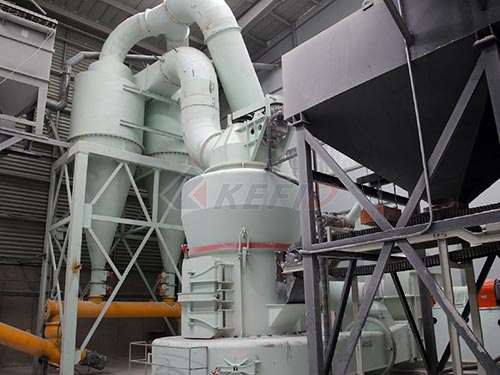
- Sourcing: Procuring equipment from mine closures, operational upgrades, or surplus inventories worldwide.
- Assessment & Inspection: Conducting technical evaluations to determine the crusher’s condition, remaining wear life on components like mantles and concaves, and structural integrity.
- Refurbishment & Reconditioning: Performing varying levels of work—from basic cleaning and painting to complete mechanical overhauls involving mainshaft repair, eccentric bushing replacement, and hydraulic system servicing.
- Logistics & Commissioning Support: Managing the complex transport of these colossal machines (often shipped in major sub-assemblies) and sometimes providing technical support for installation.
The Economics of Affordability: How Trading Companies Reduce Costs
The term “affordable” in this context is relative but significant. Savings compared to a new equivalent can range from 30% to 70%, depending on age, condition, and specification. This affordability stems from several factors:
- Avoiding Depreciation: The most substantial initial depreciation hit on heavy equipment has already been absorbed by the first owner. Buyers acquire capable machinery at a fraction of its original cost.
- Reduced Lead Time: New gyratory crushers are engineered-to-order projects with lead times often exceeding 12-18 months. A trading company typically offers equipment that is already built and available for shipment within months.
- Flexibility in Specifications: While OEMs push latest models with advanced automation (which is beneficial), trading companies offer a wider historical range. A project might find a perfectly suitable older model (e.g., a robust Svedala or Allis-Chalmers design) that meets all capacity requirements without paying for newer digital features that may not be immediately necessary.
- Lower Insurance and Financing Costs: The insured value and financing amounts are based on the lower purchase price, reducing ongoing holding costs.
Critical Considerations When Pursuing an Affordable Gyratory Crusher
“Affordable” must not equate to “high risk.” Prudent due diligence is paramount when dealing with traded equipment.
1. Condition Assessment is Non-Negotiable:
A crusher’s history is more important than its age. Key areas require expert inspection: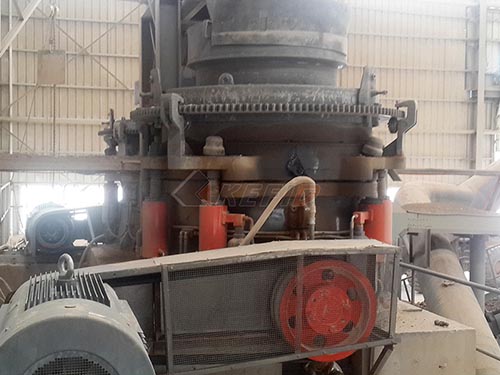
- Shell & Frame: Check for cracks or repairs in the main frame and top shell.
- Eccentric Assembly: The heart of the gyratory motion; inspect the eccentric bushing wear, gear condition, and mainshaft straightness.
- Crushing Surfaces: Assess mantle and concave wear profiles; their replacement represents a major future cost.
- Hydraulic System & Controls: Verify the functionality of the adjustment system for setting CSS (Closed Side Setting) and overload protection.
- Spider Assembly & Bushings: Wear in the spider bushing can affect performance significantly.
Reputable trading companies will provide detailed inspection reports, photographs/videos of critical components (often using borescopes), historical maintenance records if available.
2. Compatibility & Integration:
An affordable crusher becomes expensive if it doesn’t fit your plant flow sheet.
- Feed Size & Capacity: Ensure it matches your required throughput (TPH).
- Discharge Product Gradation: Confirm it can produce your desired product size profile.
- Physical Dimensions & Foundation Requirements: Verify it fits your prepared space; existing foundations may need modification—a hidden cost factor.
- Power Draw & Drive System Compatibility: Match motor specifications (kV, RPM) with your plant’s power supply.
3. Parts Availability & Technical Support:
Older or discontinued models pose parts availability challenges.
- Identify which critical wear parts (mantles/concaves) are still produced by OEMs or quality aftermarket foundries.
- Determine if drawings are available for custom fabrication if needed.
- Assess whether the trading company or third-party service providers can offer technical support during commissioning.
4. Total Cost of Ownership (TCO):
The purchase price is just one component:
- Refurbishment Costs: What immediate work is needed before commissioning?
- Shipping & Rigging: Transporting a 100+ tonne top shell requires specialized logistics.
Installation & Reassembly: Requires skilled millwrights familiar with gyratories.
Spare Parts Inventory: Budgeting for an initial set of critical spares.*
Best Practices for Engaging with a Gyratory Crusher Trading Company
- Select Reputable Partners: Look for companies with long-standing industry presence verifiable references from past clients transparent communication They should have engineering expertise not just sales focus
- Define Your Requirements Clearly Provide detailed specifications feed material characteristics desired output capacity required duty cycle This allows them to match you with suitable units
3 Insist On Comprehensive Documentation Request inspection reports previous service history OEM manuals if available Detailed photographic evidence pre-during post-refurbishment
4 Consider Refurbishment Scope Options Many traders offer tiered packages basic “as-is where-is” sale through fully rebuilt certified unit Understand exactly what you’re paying for Clarify warranty terms which are typically shorter limited compared new equipment but provide essential protection against latent defects
5 Plan For The Entire Project Engage your own engineering maintenance team early process Visit inspect equipment person whenever possible Develop detailed integration plan including all ancillary systems lubrication dust suppression electrical controls
Conclusion: A Strategic Pathway to Capability
An affordable gyratory crusher from a specialized trading company represents more than just a used machine; it represents strategic access to high-capacity primary crushing technology For greenfield projects expansions replacement strategies budget-conscious operators this route offers viable compelling alternative
Success hinges moving beyond mere price tag embracing rigorous technical commercial due diligence By partnering knowledgeable reputable trader conducting exhaustive condition assessment planning holistically integration costs companies can secure robust reliable crushing solution extends operational life decades significantly enhances productivity without incurring prohibitive capital outlay In dynamic cyclical industries like mining construction aggregates such flexibility affordability often key maintaining competitive edge ensuring project viability long term
