
OEM Slag Crusher Plant Manufacturers: Engineering Robust Solutions for Metallurgical Byproduct Processing
Introduction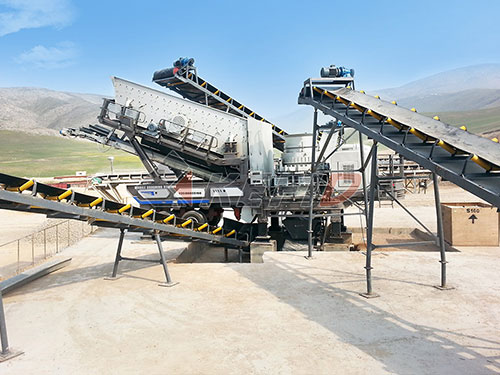
In the heavy industries of steelmaking, smelting, and metal refining, the efficient handling of slag—a byproduct of the smelting process—is a critical operational and environmental challenge. Slag, a molten or solidified mixture of metal oxides, silicates, and other impurities, must be crushed, screened, and processed to recover valuable metals and to produce aggregate for construction or other applications. An OEM slag crusher plant maker is a specialized original equipment manufacturer that designs, engineers, and fabricates complete turnkey crushing and separation systems tailored to the unique physical and chemical properties of slag. Unlike generic crusher suppliers, OEMs in this niche provide application-specific engineering, ensuring that the plant can withstand the abrasive, tough, and often hot nature of slag while maximizing metal recovery and operational uptime.
This article provides a detailed, professional overview of OEM slag crusher plant makers, covering their role, key design considerations, plant configurations, technological features, selection criteria, and future trends. It is intended for plant managers, project engineers, and procurement specialists seeking a comprehensive understanding of this specialized equipment segment.
1. The Role and Significance of an OEM Slag Crusher Plant Maker
An OEM (Original Equipment Manufacturer) in the slag crushing sector is not merely a vendor of individual crushers. Instead, it is a solution provider that assumes responsibility for the entire processing line—from material feeding and primary crushing to magnetic separation, screening, and product stockpiling. The OEM’s engineering team analyzes the client’s slag characteristics, including:
Based on this data, the OEM selects or custom-designs crushers, screens, magnets, and conveyors that operate reliably under severe conditions. The “maker” aspect implies that the OEM manufactures the core equipment—such as jaw crushers, cone crushers, impact crushers, or specialized slag crushers—and integrates them into a cohesive plant. This single-source responsibility reduces interface risks, simplifies project management, and ensures performance guarantees.
2. Key Design Considerations for Slag Crushing Plants
Slag is notoriously abrasive, heterogeneous, and sometimes contains tramp metal or large, uncrushable objects. Therefore, an OEM slag crusher plant must address several critical design factors:
3. Typical Plant Configuration and Equipment
A complete OEM slag crusher plant typically comprises the following stages, though the exact flow depends on the slag type and desired end products:
3.1 Feeding and Pre-Screening
A heavy-duty apron feeder or vibrating grizzly feeder receives slag from dump trucks or loaders. The grizzly scalper removes fines and small metal pieces before the primary crusher, reducing load and wear.
3.2 Primary Crushing
For large, hard slag lumps, a single-toggle jaw crusher or a gyratory crusher is often used. Jaw crushers are preferred for their high reduction ratio and ability to handle slabby material. The OEM may reinforce the frame and use a hydraulic gap adjustment system for quick setting changes.
3.3 Secondary and Tertiary Crushing
To liberate metal from the slag matrix, secondary crushing is essential. Cone crushers (especially high-speed, fine-cone models) or horizontal shaft impactors (HSIs) are common. HSIs are effective for less abrasive slag but generate more fines; cone crushers are better for abrasive, hard slag. Some OEMs offer specialized “slag crushers” with rotor designs that minimize metal wrapping.
3.4 Magnetic Separation
This is the heart of metal recovery. OEMs integrate:
The OEM optimizes magnet strength, belt speed, and gap based on slag composition and metal size.
3.5 Screening and Classification
Vibrating screens (single or double deck, linear or circular motion) classify crushed slag into size fractions (e.g., 0–5 mm, 5–20 mm, 20–40 mm). Screen media may be polyurethane, rubber, or high-tensile steel, depending on abrasiveness. Fines may undergo further magnetic separation or be sold as aggregate.
3.6 Conveying and Stockpiling
Belt conveyors with wear-resistant covers and impact idlers transport materials between stages. Stackers or radial conveyors create stockpiles of metal concentrate and slag aggregate.
3.7 Control and Automation
Modern OEM plants include PLC-based control systems with human-machine interfaces (HMIs). Automated features may include crusher setting adjustment, bearing temperature monitoring, vibration analysis, and emergency stop interlocks. Remote diagnostics and IoT connectivity are increasingly offered.
4. Selection Criteria for an OEM Slag Crusher Plant Maker
When choosing an OEM partner, the following factors are paramount:
5. Technological Innovations and Future Trends
OEM slag crusher plant makers are continuously innovating to improve efficiency and sustainability: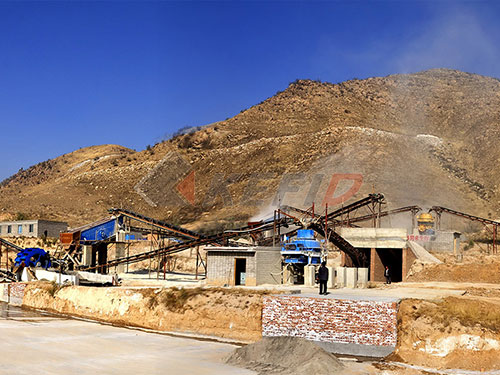
6. Conclusion
An OEM slag crusher plant maker is a specialized engineering partner that delivers complete, robust, and efficient systems for transforming metallurgical waste into valuable products. By understanding slag’s unique challenges—abrasiveness, heterogeneity, and metal content—these OEMs design plants that maximize recovery, minimize downtime, and comply with stringent environmental standards. For steel mills, smelters, and recycling facilities, selecting the right OEM is a strategic decision that impacts profitability, sustainability, and operational safety. As the industry moves toward circular economy principles, the demand for advanced slag processing solutions will only grow, and OEMs will continue to lead innovation in this critical field.
If you have any questions about our products, please feel free to contact us. We take all inquiries and suggestions very seriously.