
Title: Sourcing Slag Crusher Plant Suppliers: A Guide to Affordable and Reliable Solutions
Introduction
In the ferrous and non-ferrous metallurgical industries, the management of by-products is as critical as the primary production process itself. Slag—a vitreous by-product of smelting ore—poses significant handling challenges but also represents a valuable opportunity for resource recovery. Consequently, the demand for efficient slag processing equipment, specifically slag crusher plants, has risen sharply. For plant managers, procurement officers, and project engineers, the primary objective is to secure equipment that balances operational reliability with capital expenditure. This article provides a comprehensive analysis of the slag crusher plant market, focusing on how to identify suppliers that offer affordable solutions without compromising on engineering integrity, durability, or throughput capacity.
Understanding the Role of a Slag Crusher Plant
A slag crusher plant is not a single machine but an integrated system designed to reduce large, abrasive slag lumps into manageable, saleable, or disposable sizes. Unlike standard rock crushing, slag processing presents unique challenges. Slag is highly abrasive, often contains metallic inclusions (iron, steel, or copper), and can vary significantly in hardness and composition depending on the smelting process (e.g., blast furnace, steelmaking, or non-ferrous smelting).
A typical plant configuration includes:
When sourcing suppliers, it is essential to recognize that “affordable” does not mean “cheap.” Affordable implies the lowest total cost of ownership (TCO), which factors in initial purchase price, energy consumption, wear-part lifespan, and maintenance downtime.
The Global Supplier Landscape
The market for slag crusher plant suppliers is diverse, ranging from multinational heavy machinery corporations to specialized regional fabricators. Understanding the geographic and operational characteristics of these suppliers is key to finding an affordable partner.
Key Factors in Evaluating Affordable Suppliers
To ensure that a low-cost supplier does not become a high-cost liability, procurement teams must conduct rigorous due diligence. The following criteria are paramount:
1. Material Quality and Wear Part Strategy
Slag is abrasive. A plant built with mild steel will fail rapidly. Affordable suppliers must demonstrate that they use high-chrome or manganese steel for crusher liners and blow bars. Buyers should inquire about the wear-part replacement cycle and the cost of these consumables. A supplier offering a low initial price but requiring frequent, expensive part replacements is not truly affordable.
2. Customization vs. Standardization
Suppliers who offer modular, standardized plant designs can keep costs low through economies of scale. However, slag properties vary. An affordable supplier should be willing to adjust the crusher configuration (e.g., gap settings, rotor speed) to match the specific slag characteristics without charging exorbitant engineering fees.
3. After-Sales Support and Spare Parts Availability
A common pitfall of low-cost sourcing is the lack of local support. Before signing a contract, buyers must verify the supplier’s ability to provide spare parts within a reasonable timeframe. Suppliers who maintain regional warehouses or have partnerships with local distributors offer better long-term affordability by minimizing downtime.
4. Energy Efficiency
Crushing slag consumes significant energy. Modern, affordable plants often incorporate high-efficiency motors and variable frequency drives (VFDs). Suppliers should provide specific power consumption data (kWh per ton) to allow buyers to calculate operational expenditure over the plant’s lifecycle.
5. Compliance and Safety
Affordable equipment must meet local safety and environmental regulations. This includes dust suppression systems, noise enclosures, and emergency stop mechanisms. A supplier who cuts corners on safety features may expose the buyer to regulatory fines and workplace liability, negating any initial cost savings.
Strategies for Procuring Affordable Slag Crusher Plants
1. Define Throughput and Product Size Requirements Precisely
Over-specifying capacity is a common mistake that inflates costs. Buyers should accurately calculate the required tons per hour (TPH) and the desired final product size. Purchasing a plant that is 30% larger than necessary is a waste of capital. Conversely, running a plant at 100% capacity continuously increases wear and tear. A supplier who helps right-size the equipment is providing a valuable affordability service.
2. Consider Mobile and Semi-Mobile Units
For slag processing at multiple sites or where the slag heap is temporary, mobile crushing plants (track-mounted or wheel-mounted) can be more affordable than establishing a fixed foundation. Mobile units eliminate the need for costly civil works and can be relocated as operations change.
3. Request Turnkey vs. Equipment-Only Quotes
Some suppliers offer turnkey solutions (design, manufacturing, installation, and commissioning), while others sell equipment only. Turnkey solutions may appear more expensive initially, but they transfer risk to the supplier and often result in a more cohesive, efficient plant. Buyers should compare the total project cost, including civil works and electrical integration, rather than just the machinery price.
4. Leverage Competitive Bidding
The global nature of the supplier market allows buyers to solicit quotes from multiple regions. By pitting a European supplier against a high-quality Asian supplier, buyers can often negotiate better terms, including extended warranties or discounted spare parts packages.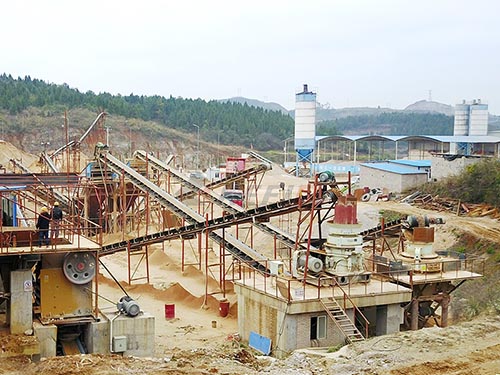
5. Inspect Before You Invest
For affordable suppliers, especially those in different countries, a pre-shipment inspection is non-negotiable. Third-party inspection agencies can verify material thickness, weld quality, and assembly accuracy. Many reputable affordable suppliers welcome inspections as a way to build trust.
The Role of Technology in Affordability
Modern suppliers are increasingly integrating smart technology into slag crusher plants. While this may add to the upfront cost, it often reduces long-term expenses. For example:
Affordable suppliers who offer these features as standard or low-cost options provide a significant advantage over those with outdated technology.
Case Study: Sourcing from Emerging Markets
Consider a mid-sized steel mill in Southeast Asia that needed to process 150 TPH of steel slag. A European quote for a fixed plant was $2.5 million. A Chinese supplier offered a comparable plant with similar motor brands and wear materials for $850,000. The buyer conducted a factory audit, verified the supplier’s previous installations in the region, and negotiated a spare parts package for two years. The resulting plant, commissioned within 14 months, met the throughput requirements and achieved a 40% reduction in cost per ton compared to the mill’s previous manual processing method. This illustrates that with proper due diligence, affordable suppliers can deliver exceptional value.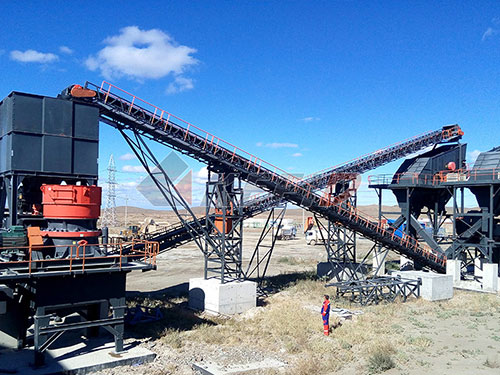
Conclusion
Finding affordable slag crusher plant suppliers requires a shift from viewing price as the sole metric to evaluating total cost of ownership. The market offers viable, high-quality options from Asian and specialized regional manufacturers that can compete with premium Western brands on performance and durability. By focusing on material quality, right-sizing, after-sales support, and rigorous supplier verification, procurement teams can secure slag processing solutions that are both economically and operationally sound. In an industry where margins are tight and resource recovery is increasingly important, the strategic selection of an affordable, reliable supplier is a decisive competitive advantage.
If you have any questions about our products, please feel free to contact us. We take all inquiries and suggestions very seriously.