
Title: An Objective and Professional Analysis of Cheap Chinese Slag Crusher Plants: Capabilities, Cost Drivers, and Operational Considerations
Introduction
In the global metallurgical and construction industries, slag—the glass-like by-product left over after the separation of metal from its raw ore—presents both a disposal challenge and a commercial opportunity. Steel slag, copper slag, and blast furnace slag, if processed correctly, can be repurposed as high-value aggregates for road construction, cement production, and soil remediation. The equipment central to this transformation is the slag crusher plant. Over the past two decades, China has emerged as the dominant manufacturer of these plants, offering solutions that are frequently marketed as “cheap” relative to Western or Japanese counterparts. This article provides a professional, objective, and detailed examination of what constitutes a “cheap Chinese slag crusher plant,” analyzing its technical specifications, cost structure, quality trade-offs, and suitability for different operational scales.
1. Defining the “Cheap” Chinese Slag Crusher Plant
The term “cheap” in the context of Chinese industrial machinery is multifaceted. It does not simply denote a low purchase price; rather, it reflects a combination of lower manufacturing costs, economies of scale, and a tiered quality system. A “cheap” Chinese slag crusher plant typically refers to a complete processing line—including primary jaw crushers, secondary cone or impact crushers, vibrating screens, magnetic separators, and belt conveyors—that is offered at a price point 30% to 60% lower than equivalent European or American systems.
However, “cheap” can be further subdivided into three categories:
2. Technical Capabilities and Process Flow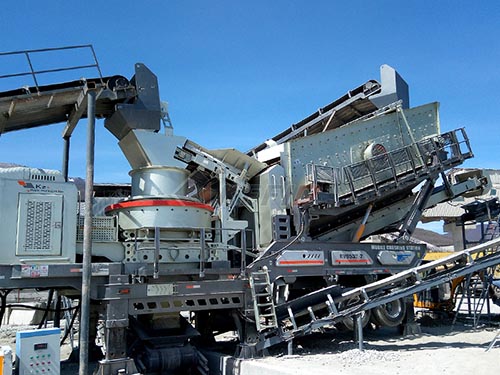
A typical Chinese slag crusher plant, regardless of price point, follows a standardized process flow. Understanding this flow is critical to evaluating whether a “cheap” plant can meet production requirements.
Stage 1: Primary Crushing
Slag, often delivered in large chunks (up to 1 meter in diameter), is fed into a jaw crusher. Chinese manufacturers commonly use PE series jaw crushers. In cheap plants, the jaw plates are made of high-manganese steel (Mn13Cr2) but with lower heat treatment quality, leading to faster wear. The primary crusher reduces slag to 100-200 mm.
Stage 2: Magnetic Separation
A critical step for steel slag. Cheap Chinese plants often incorporate a permanent magnetic drum separator (e.g., RCDB series) mounted over the conveyor belt. This recovers scrap metal (iron content) for resale. In budget plants, the magnetic strength may be lower (e.g., 1200 Gauss vs. 2000 Gauss in premium models), resulting in less efficient metal recovery.
Stage 3: Secondary Crushing
The material is then fed into a cone crusher or impact crusher. For hard slag (e.g., blast furnace slag), cone crushers are preferred. Cheap Chinese plants often use spring cone crushers (PY series) rather than hydraulic cone crushers. While functional, spring cones require more frequent adjustment and are less efficient at handling sticky or wet slag.
Stage 4: Screening and Grading
Vibrating screens (e.g., YA series) separate the crushed slag into different size fractions (0-5 mm, 5-10 mm, 10-20 mm). In cheap plants, the screen mesh is made of lower-grade spring steel, which may deform under heavy loads, leading to blinding (clogging) when processing fine, moist slag.
Stage 5: Final Metal Recovery (Optional)
Some cheap plants include a secondary magnetic separator or an eddy current separator for non-ferrous metals. However, these are often omitted to reduce cost, limiting the plant’s ability to produce high-purity aggregates.
3. Cost Drivers: Why Are Chinese Plants Cheap?
The “cheapness” of Chinese slag crusher plants is not accidental. It is the result of several structural factors:
4. Quality Trade-Offs and Hidden Costs
While the upfront price of a cheap Chinese slag crusher plant is attractive, buyers must be aware of potential hidden costs and performance limitations.
4.1 Wear Parts Lifespan
The most significant trade-off is in wear parts. A Chinese jaw crusher plate may last 3-4 months under continuous slag crushing, while a premium European plate (e.g., from Metso or Sandvik) might last 6-8 months. Over a 5-year period, the cost of replacing wear parts can offset the initial price savings.
4.2 Motor and Electrical Reliability
Cheap Chinese plants often use motors from smaller brands (e.g., Y2 series) that are less efficient (IE2 vs. IE4) and more prone to overheating under continuous load. Electrical cabinets may use generic contactors and relays rather than branded units (e.g., Schneider or Siemens), increasing the risk of downtime.
4.3 Structural Integrity
The main frame of a cheap plant is typically fabricated from standard Q235 carbon steel rather than high-strength steel (e.g., Q345). This can lead to weld fatigue and cracking after several years of operation, especially when processing abrasive slag.
4.4 Dust and Noise Control
Environmental regulations in many countries (e.g., EU, Australia, US) require stringent dust suppression (water sprays, bag filters) and noise enclosures. Cheap Chinese plants often omit these features as standard, requiring the buyer to invest in retrofits. This can add 10-20% to the total project cost.
4.5 After-Sales Support
A major hidden cost is the lack of local service. A cheap Chinese plant purchased directly from a factory in Henan may have no spare parts warehouse or service technician in the buyer’s country. Shipping a replacement bearing or crusher shaft can take 4-6 weeks, causing costly production stoppages.
5. Suitability for Different Applications
Not all buyers should avoid cheap Chinese slag crusher plants. Their suitability depends on the specific operational context.
5.1 Suitable Scenarios
5.2 Unsuitable Scenarios
6. How to Mitigate Risks When Buying Cheap Chinese Plants
For buyers who decide to proceed with a cheap Chinese slag crusher plant, several professional strategies can reduce risk:
6.1 Third-Party Inspection
Engage an independent inspection agency (e.g., SGS, Bureau Veritas) to inspect the plant during manufacturing. Check weld quality, motor nameplate ratings, and bearing brands. This can catch defects before shipment.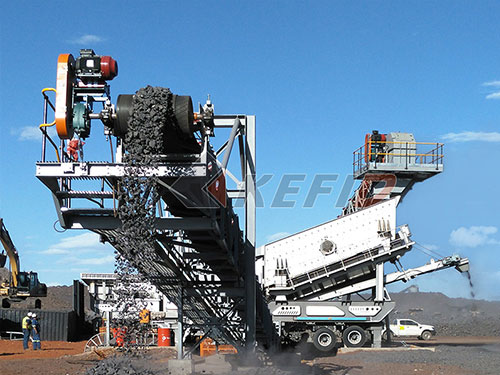
6.2 Component Upgrades
Specify upgrades in the purchase contract. For example, request:
6.3 Spare Parts Package
Negotiate a comprehensive spare parts package to be shipped with the plant. This should include:
6.4 Local Service Agreement
If possible, partner with a local engineering firm that has experience with Chinese machinery. They can provide installation supervision, training, and ongoing maintenance.
7. Comparative Cost Analysis
To provide a concrete example, consider a 100-ton-per-hour steel slag processing plant:
| Component | Cheap Chinese Plant (USD) | Mid-Range Chinese Plant (USD) | Western Plant (USD) |
|---|---|---|---|
| Jaw Crusher (PE-750×1060) | $35,000 | $55,000 | $120,000 |
| Cone Crusher (PYB-1750) | $45,000 | $70,000 | $180,000 |
| Vibrating Screen (3YA-1860) | $12,000 | $18,000 | $40,000 |
| Magnetic Separator | $8,000 | $15,000 | $35,000 |
| Conveyors & Structure | $20,000 | $30,000 | $60,000 |
| Electrical & Control | $10,000 | $20,000 | $50,000 |
| Total (FOB) | $130,000 | $208,000 | $485,000 |
Note: Prices are indicative and vary by manufacturer and configuration.
The cheap plant is 73% cheaper than the Western equivalent. However, if the buyer spends an additional $30,000 on upgrades (better bearings, motors, and dust control), the total becomes $160,000—still 67% cheaper. The key is to allocate the savings toward critical components.
8. Conclusion
A “cheap Chinese slag crusher plant” is a viable option for many buyers, but it is not a one-size-fits-all solution. The low upfront cost is a genuine advantage, driven by China’s manufacturing ecosystem, but it comes with trade-offs in wear life, reliability, and after-sales support. For small to medium-scale operations in less regulated markets, these plants can deliver excellent value. For high-volume, high-stakes operations in developed economies, the hidden costs of downtime and retrofits may erode the initial savings.
The professional buyer should approach the purchase with a clear understanding of their specific slag characteristics, production targets, and environmental requirements. By specifying component upgrades, investing in third-party inspection, and securing a robust spare parts package, the risks associated with cheap Chinese plants can be significantly mitigated. Ultimately, the decision hinges on a careful cost-benefit analysis that accounts for total cost of ownership over the plant’s expected lifespan, not just the purchase price.
If you have any questions about our products, please feel free to contact us. We take all inquiries and suggestions very seriously.